Filter(0 Filters applied)
Cement Plant Pots
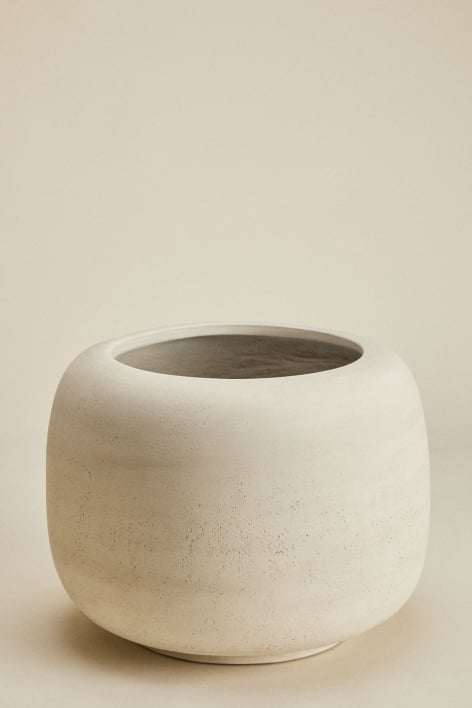
Cement planters represent the ultimate expression of robustness and sophistication in plant container design. Manufactured from high-density composites, these planters offer exceptional thermal stability, protecting roots from external temperature fluctuations. Their controlled porosity and structural weight ensure a firm base in both open areas and spacious rooms, withstanding adverse weather conditions without compromising their aesthetic integrity. The integration of these containers allows for the creation of architectural compositions where the material acts as a neutral and organic canvas that enhances the natural beauty of any botanical species.
7 products in Cement Plant Pots
You have seen 7 products from 7
Cement planters: Solidity and cutting-edge design for contemporary spaces
Cement planters have transcended their basic function as containers to become key elements in landscape architecture and modern interior design. This material, valued for its structural integrity and longevity, offers a superior technical solution for the needs of large plants. As a mineral material, cement provides a natural environment for growth, allowing for proper transpiration and maintaining internal humidity more efficiently than other synthetic materials. Its presence creates a visual balance between the built and the organic, serving as a visual anchor in decorative projects that seek sobriety and permanence.
Types of cement planters
| Guy | Technical specifications | Investment opportunity |
|---|---|---|
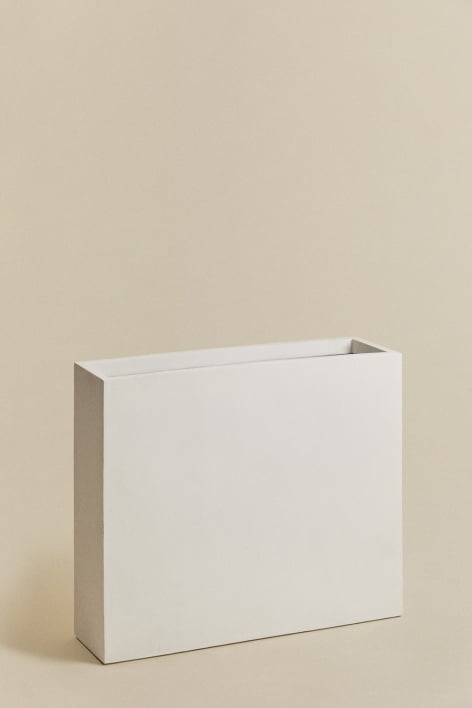
| Rectangular geometric shapes | Straight lines, large substrate capacity and linear stability. | Delimitation of spaces and creation of natural green walls. |
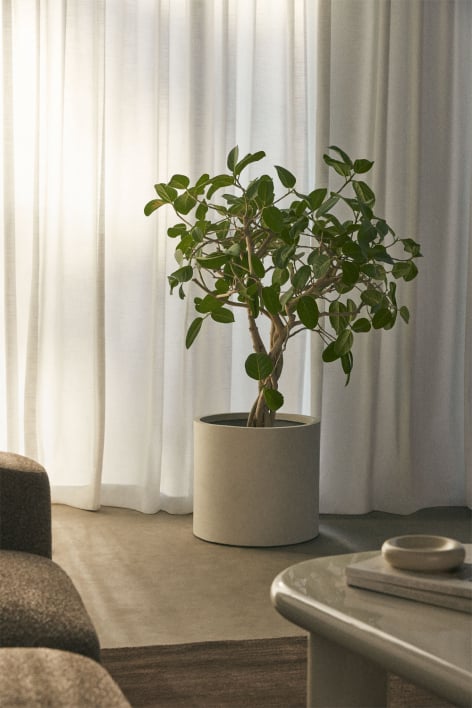
| Cylindrical and organic | Polished finishes, balanced weight distribution and fluid aesthetics. | Focal points in corners or flanking main entrances. |
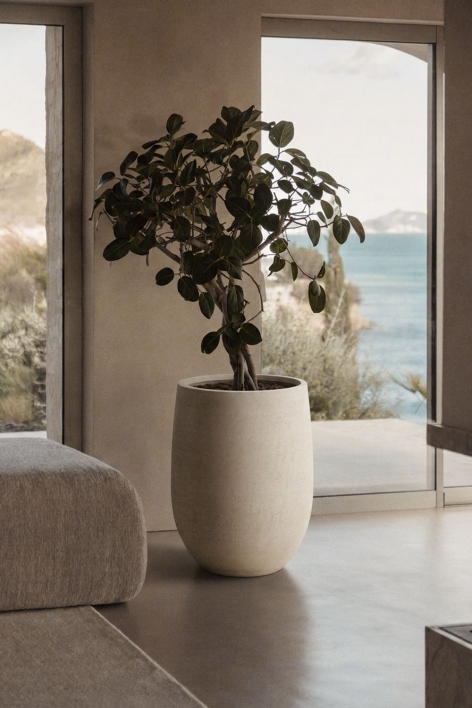
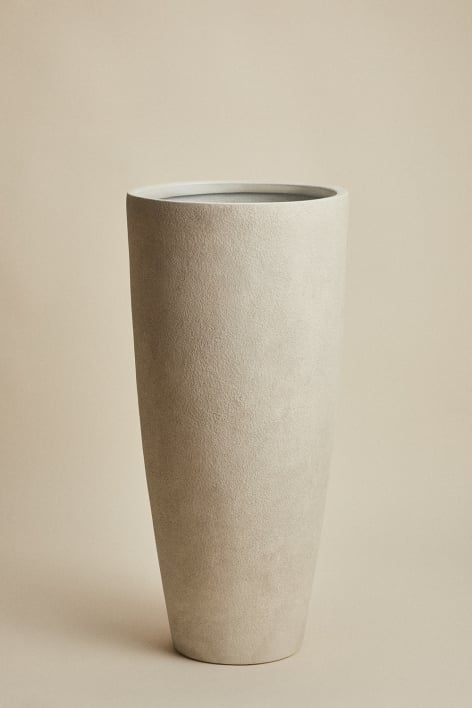
| High-rise formats | Reinforced structure, low center of gravity to prevent rollovers. | Plants with trailing growth or tree species that require depth. |
Advantages of cement planters
- Thermal inertia: Protects the root system from frost and extreme heat waves, acting as a natural insulator.
- Structural stability: Its high weight ensures that the cement planter remains immovable in the face of strong winds or accidental rubbing.
- Evolutionary patina: Over time, the cement acquires a unique texture that tells the story of the space, integrating better with the environment.
- Material sustainability: Manufactured with long-life mineral components, reducing the need for frequent replacements.
Tips for choosing cement planters
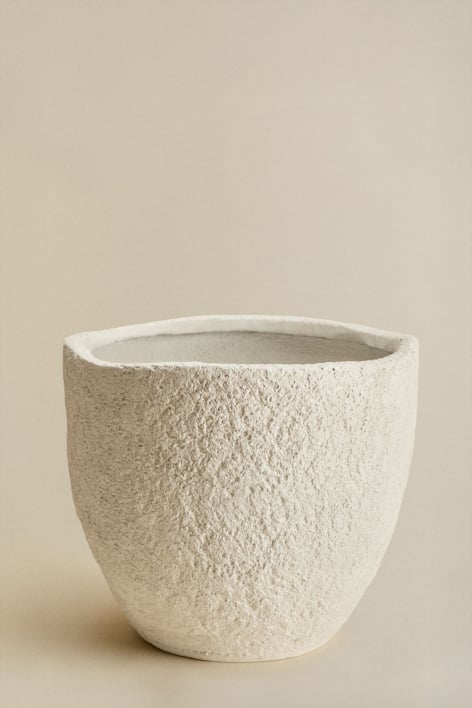
When selecting cement planters , it's essential to assess the total weight the structure will support if they are installed on terraces or balconies. Checking the drainage system is recommended; although cement is slightly porous, an efficient drainage hole is vital to prevent root asphyxiation. For indoor spaces, using saucers or protective bases is advisable to avoid water stains. Aesthetically, the choice between a textured or smooth finish will depend on the desired contrast with the plant's leaves: large, glossy leaves tend to stand out against rougher, matte cement surfaces.
Frequently asked questions about cement planters
-
How to keep a cement planter in good condition?
Simply clean the surface with a damp cloth and neutral water. To prevent salt stains on the exterior, a colorless water-repellent sealant can be applied to maintain the original color without affecting breathability.
-
Which materials are most durable for outdoor use?
Reinforced concrete is one of the most weather-resistant materials. Unlike plastic, it does not degrade from UV radiation, and unlike metal, it does not corrode due to humidity.
-
Can they be used safely indoors?
Yes, they are perfectly suitable for indoor use. They provide a clean and professional aesthetic, although their weight should be taken into account to facilitate maintenance and cleaning of the surrounding floor.
-
Which plants go best with cement?
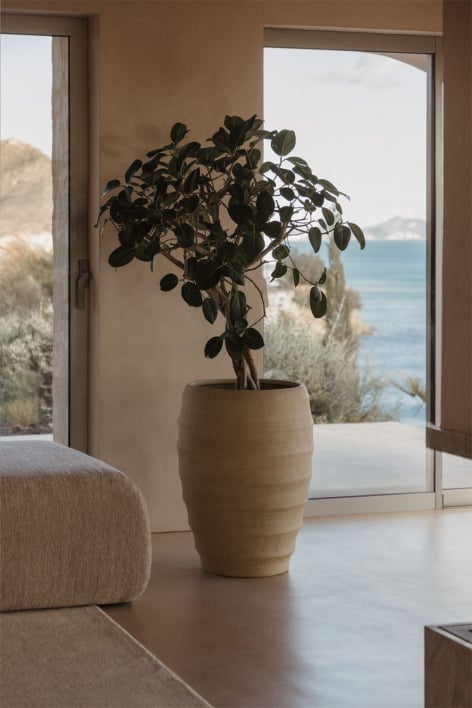
Plants of architectural structures such as sansevierias, large cacti or ficus lyrata create a perfect visual dialogue with the sobriety of cement.
Design, quality and experience
Choosing cement planters is a statement of intent regarding durability and respect for natural materials. Our commitment to quality is reflected in the selection of pieces that balance traditional molding techniques with the precision of contemporary design. These pieces not only provide a place for plants but also enhance the livability of any environment, transforming common areas into spaces of serenity and character.
We invite you to explore our collection of featured models, such as the Gabe, Nuria or Paige series, and find the piece that will define the personality of your next decorating project.