Filter(0 Filters applied)
Stone basins
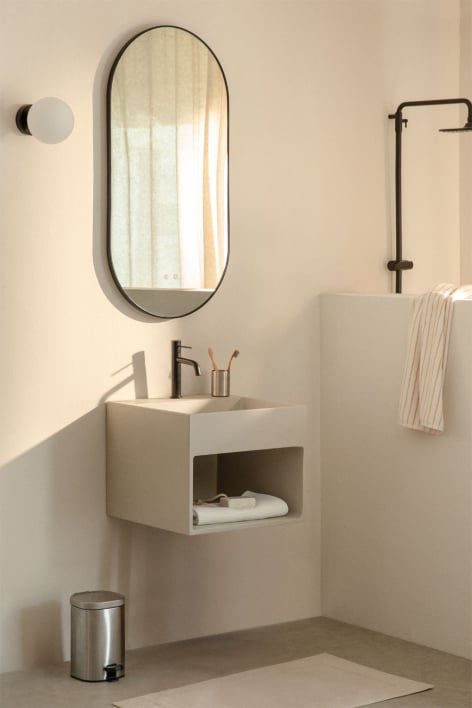
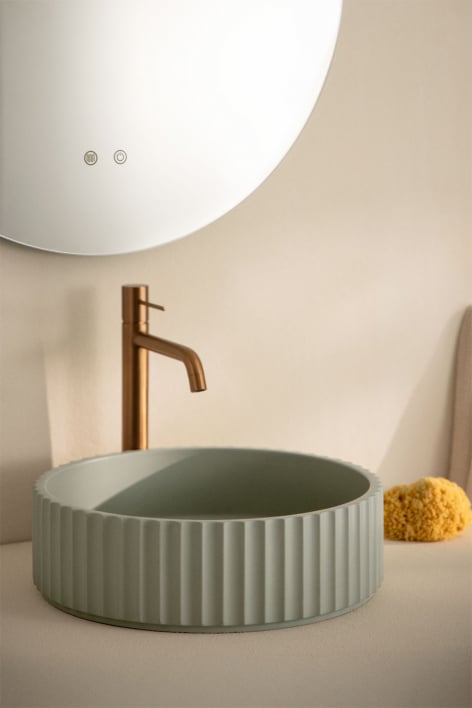
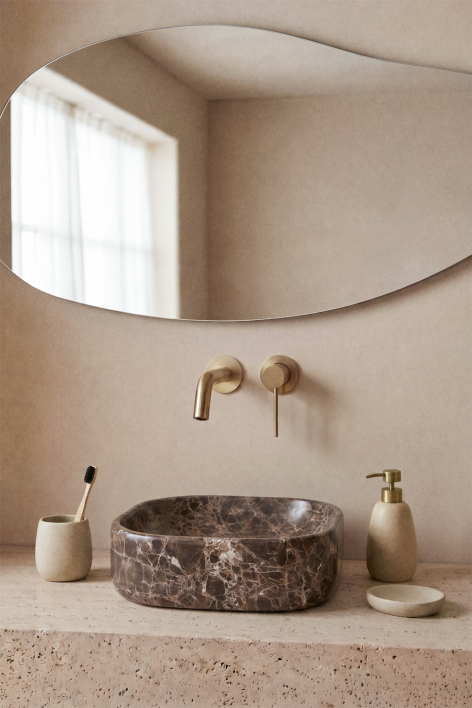
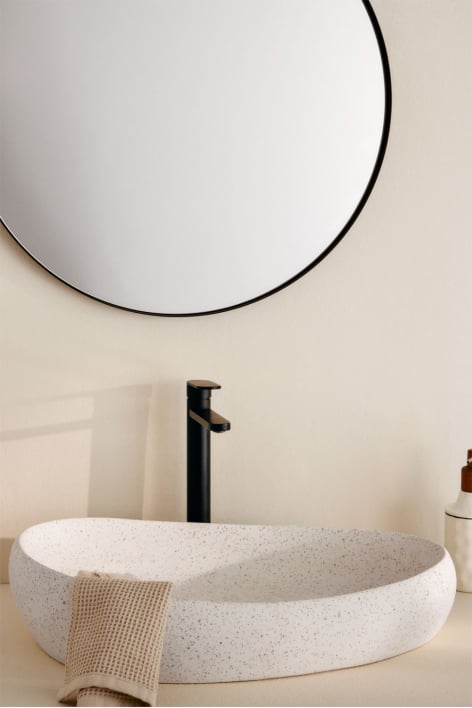
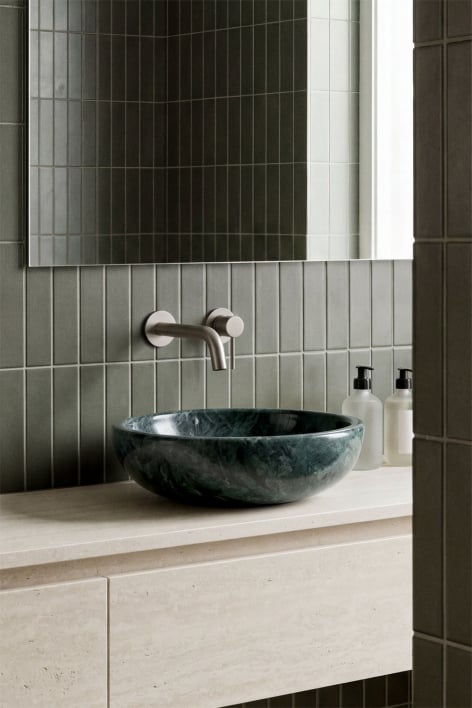
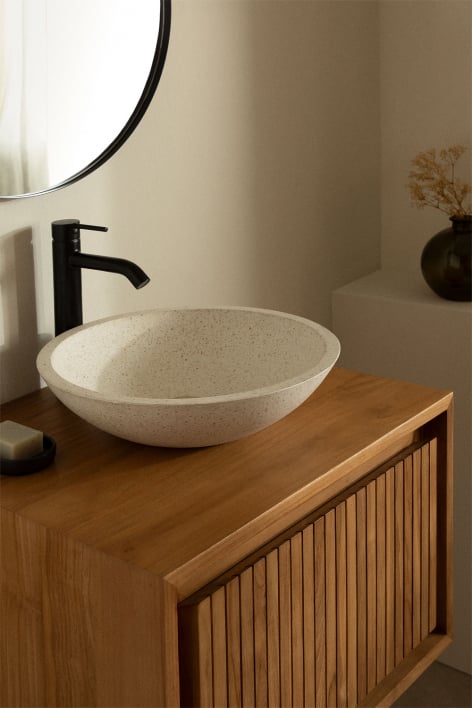
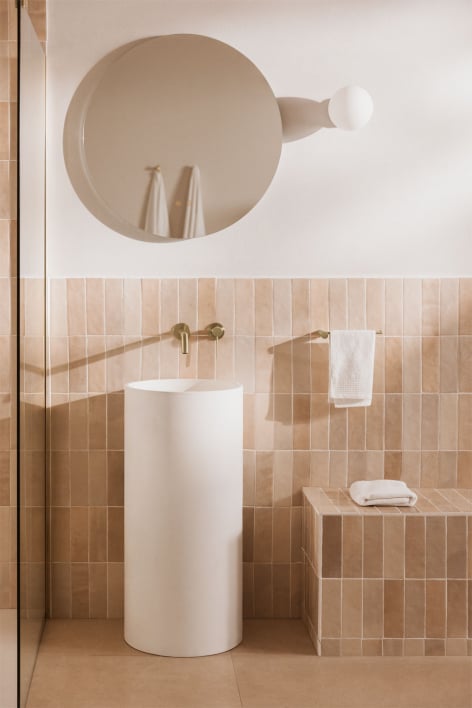
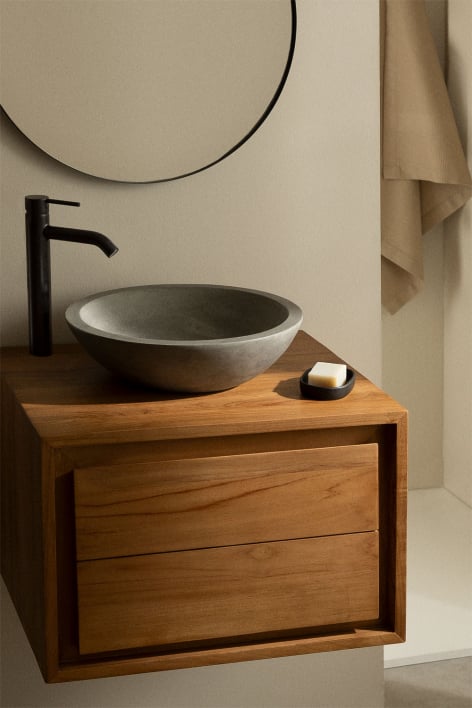
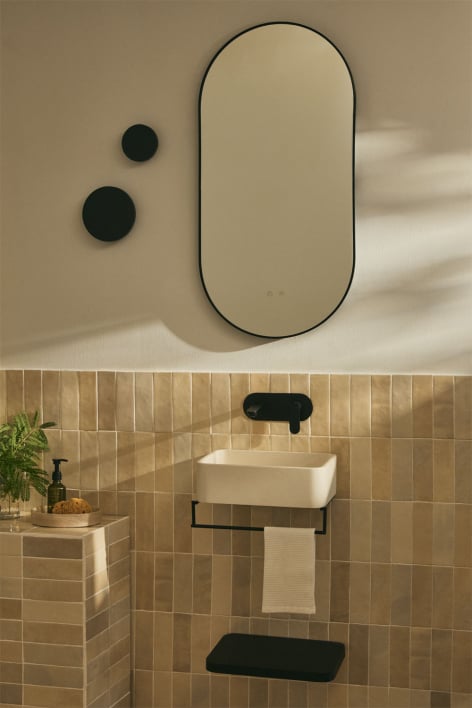
Incorporating stone sinks into a bathroom design makes a bold architectural statement that instantly elevates the space's aesthetic. These elements, sculpted from raw materials like natural marble or architectural concrete, introduce a tactile and visual richness impossible to replicate with traditional ceramics, transforming the washbasin area into the focal point of the room.
Choosing a sink made of natural stone or cement transforms your daily grooming routine into a sensory experience akin to a private spa. Whether placed on warm wooden countertops or minimalist metal structures, these sculptural pieces adapt to wabi-sabi, industrial, or contemporary design styles, bringing undeniable durability, an organic character, and timeless sophistication to the most intimate sanctuary of your home.
16 products in Stone basins
You have seen 16 products from 16
Stone sinks: Organic sculptures for bathroom architecture
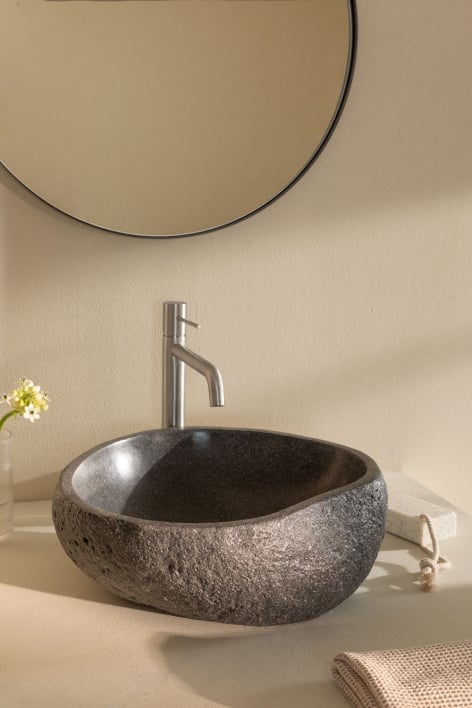
Contemporary interior design has moved away from the clinical sterility of traditional bathrooms, embracing spaces that are deeply sensory and rooted in nature. Washbasins made of stone , marble, and architectural concrete are the prime examples of this evolution. By introducing raw materials in their purest form, a tactile contrast is created that enriches the user experience. These basins cease to be mere receptacles of water and become monolithic pieces that interact with light and shadow. Their controlled imperfection, the exclusivity of their veining, and the striking presence of their volumetric mass make them first-rate architectural elements, capable of single-handedly structuring the aesthetic narrative of a powder room or a master suite.
Types of raw and natural stone sinks
| Guy | Technical Specifications | Design and Investment Opportunity |
|---|---|---|
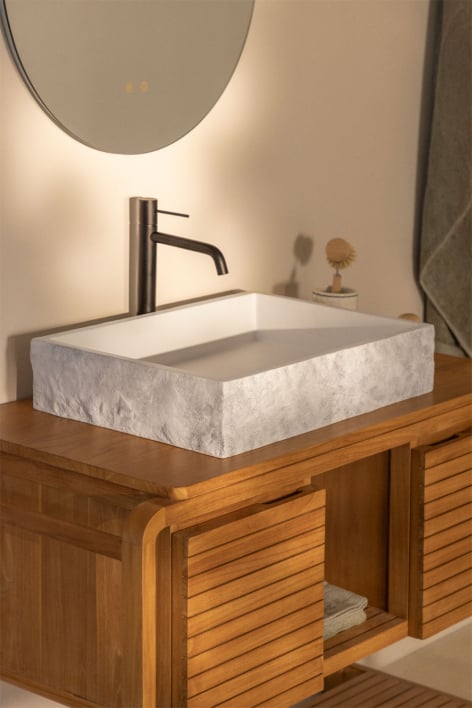
| Natural marble washbasins (Udaipur/Emperor) | Pieces carved from a solid block of stone, offering a unique veining pattern and superior thermal density. | The pinnacle of tactile luxury. Essential for bathrooms with a refreshed classic style seeking sophistication and absolute exclusivity. |
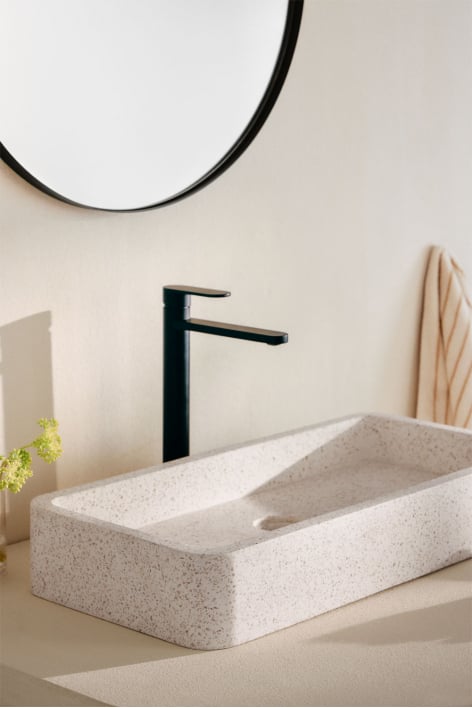
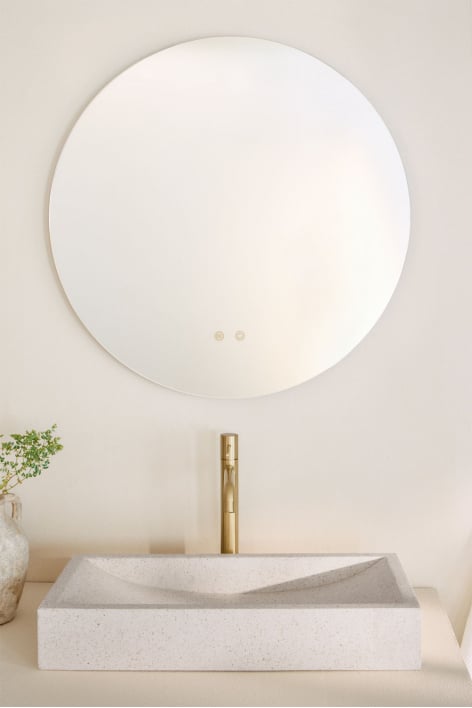
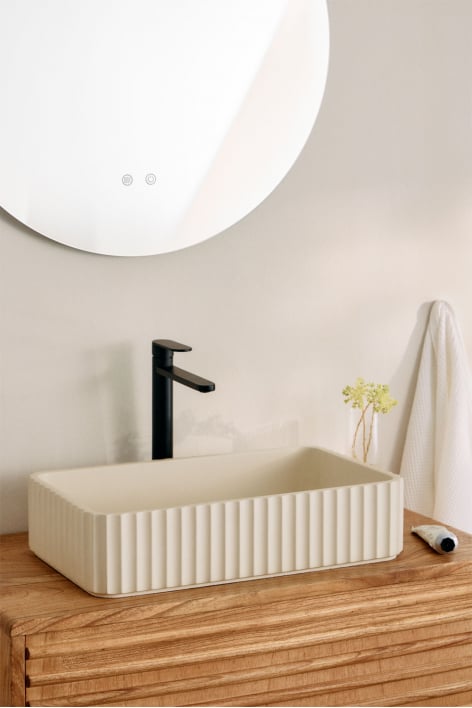
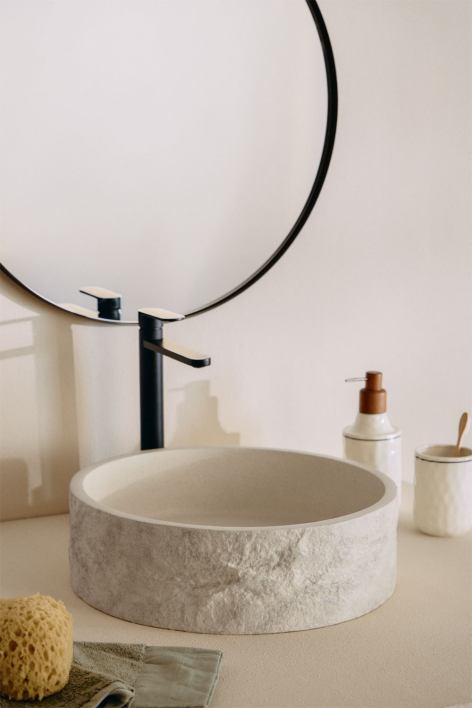
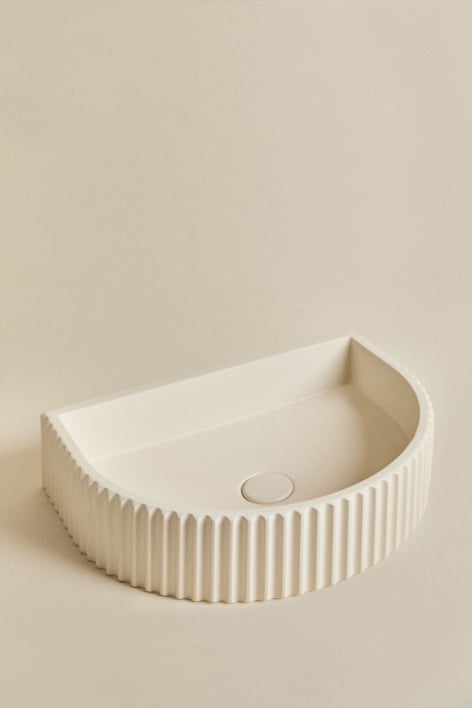
| Countertop cement sinks | Mass-pigmented architectural concrete (stone white, cream, graphite), treated with pore sealers to ensure its watertightness. | A masterful choice for industrial, brutalist, or wabi-sabi aesthetics. They provide a visually rich, matte, porous texture. |
| Freestanding or totemic sinks (Monolithic) | Floor-to-ceiling structures in column format, with integrated vertical or wall drainage, dispensing with support furniture. | High-impact stage investment. Transform small guest restrooms into artistic installations with great character. |
Advantages of stone and concrete sinks
- Undeniable material exclusivity: Because they are made of natural stone extracted from quarries or hand-forged cement, no two sinks are identical. Each piece presents subtle variations in tone, veining, or microbubbles that certify its authenticity.
- Extreme durability and resistance: Their massive construction makes them virtually invulnerable to dents or impact fractures, far exceeding the fragility of traditional ceramics or glass.
- Thermal inertia: The density of stone and cement gives them an excellent ability to retain temperature, offering a noble and constant feel during use.
- Versatility of contrast: They function as the perfect counterpoint. A rough cement sink is enhanced when placed on a smooth teak wood countertop, creating an extremely elegant decorative tension.
Tips for choosing and integrating stone sinks
The key to successfully incorporating a heavy sink lies in the pedestal and faucet. Given its considerable weight, ensure that the bathroom vanity or wall-mounted shelf has reinforced hardware. Aesthetically, to avoid detracting from the sink's texture, opt for wall-mounted faucets; this frees up counter space, facilitates cleaning, and draws attention to the basin's design. If you choose a sink in warm tones like travertine or beige cement, pair it with brushed brass or copper faucets. For models in Verde Udaipur marble or black cement, matte black or bronze faucets will add unparalleled theatricality and architectural precision.
Frequently asked questions about stone sinks
-
Are cement or natural stone sinks porous? Do they stain?
Although the base material is porous, sinks intended for residential use undergo water-repellent treatments and pore sealants during manufacturing. However, it is essential to avoid leaving puddles of stagnant water or corrosive chemicals on the sink for extended periods to preserve this protective layer.
-
How should I clean a marble or architectural concrete sink?
Cleaning should be extremely gentle. Use only microfiber cloths with warm water and mild soap. The use of bleach, ammonia, limescale remover, vinegar, or any acidic or abrasive product is strictly prohibited, as these will degrade the sealant and the stone's natural shine.
-
Can a stone sink be installed on any piece of furniture?
No. A solid stone or cement sink weighs considerably more than a ceramic or resin one. It's vital to check that the countertop and the cabinet's mounting hardware (especially if it's wall-mounted) are designed to support additional static loads of 15-20 kg.
Design, quality and experience
Embracing nature's imperfections and the strength of raw materials is a crucial step towards a mature and thoughtful interior design. Washbasins forged from stone and cement reconnect us with the earth during our most intimate moments of self-care. These pieces are designed not only to withstand the relentless passage of time, but also to age with a dignity and patina that will enrich the history of our home.
Discover the power of authentic textures and transform the architecture of your bathroom by exploring Sklum's collections, where sculptural design meets the most demanding daily functionality.