


Filter(0 Filters applied)
Kettlebells
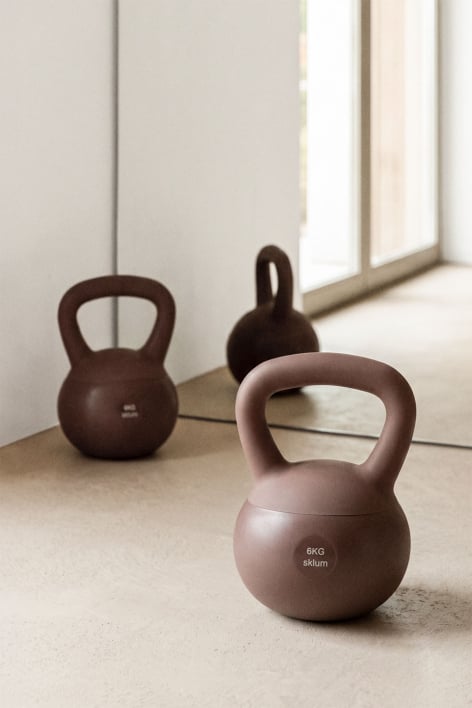
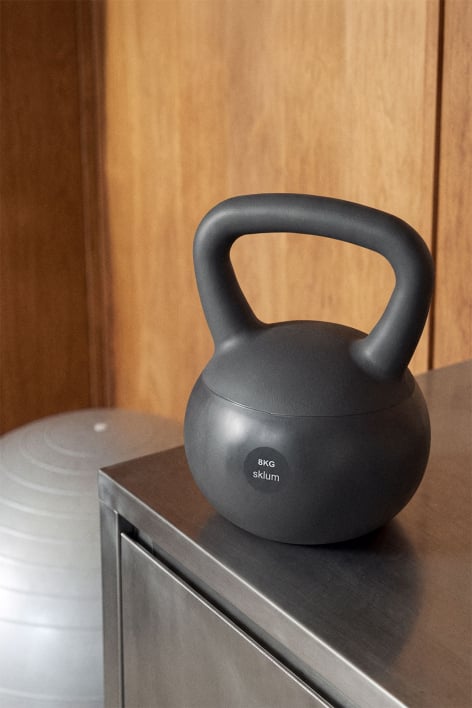
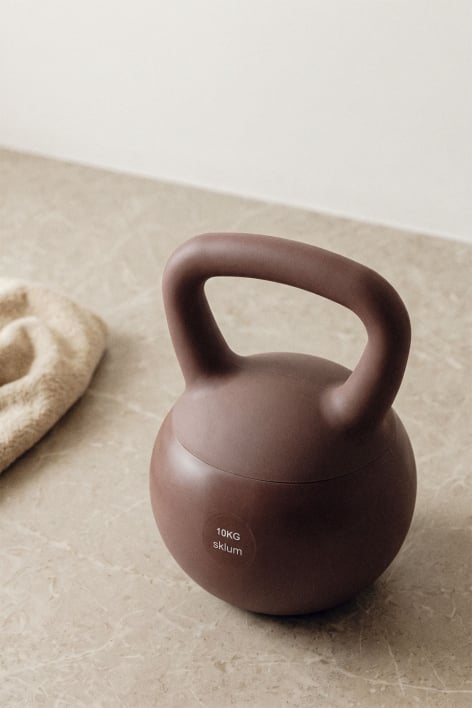
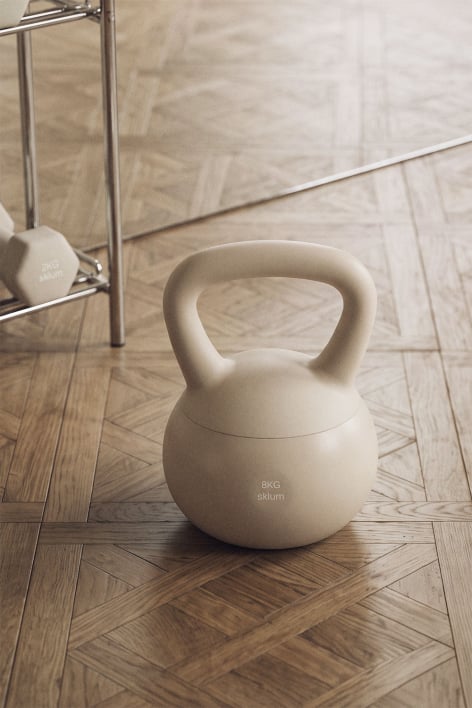
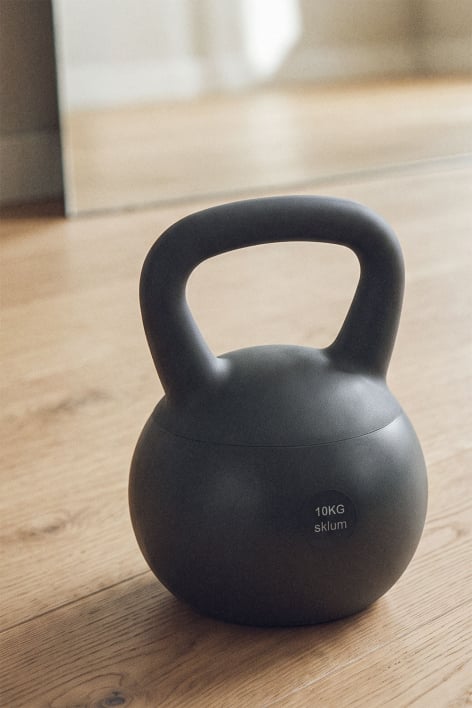
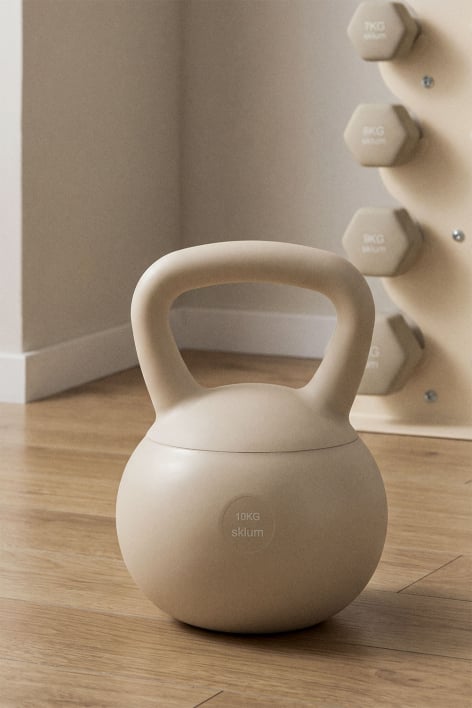
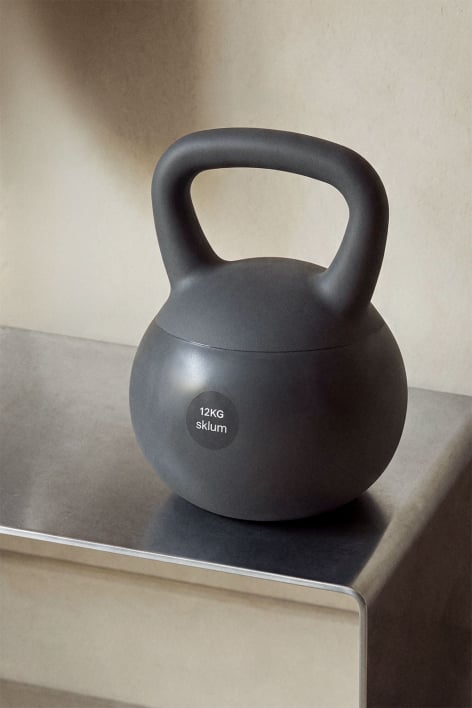
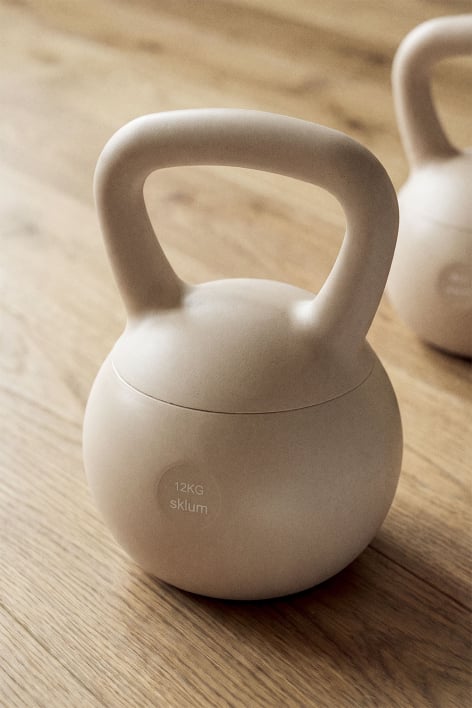
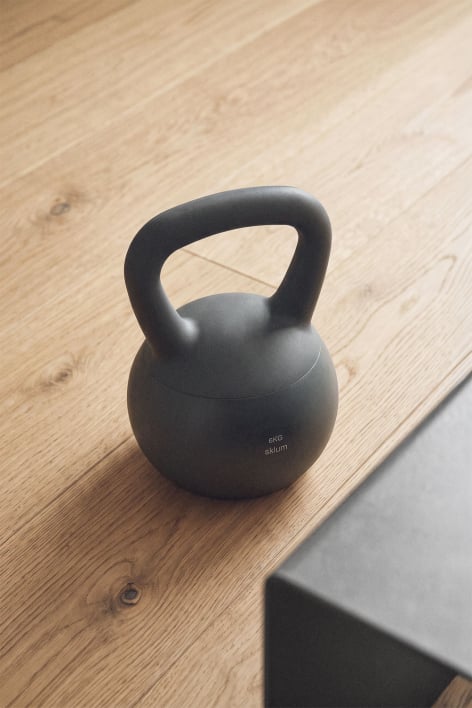
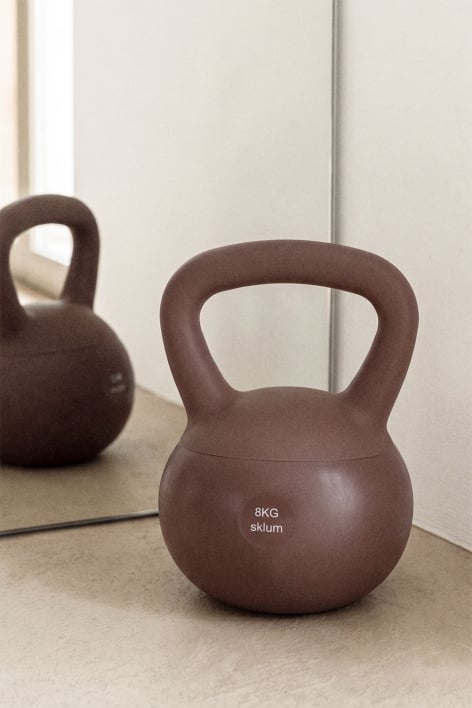
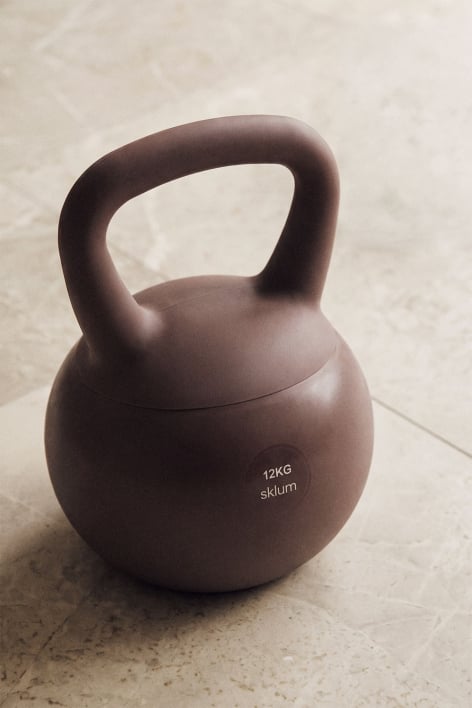
Kettlebells are training accessories that allow you to work different muscle groups through strength, body control, and stability exercises. Their handle design facilitates lifting and moving the weight, making them a versatile option for completing a home gym.
Discover our selection of kettlebells for functional training and find an option suited to your goals and experience level. Compare the available weights, grip features, and materials of each design to incorporate this equipment into your fitness routines.
15 products in Kettlebells
You have seen 15 products from 15
Strength, movement and design for training at home
Strength training has evolved toward methods that combine muscular endurance, coordination, and movement control in increasingly versatile sessions. Within this approach, kettlebells have become established as fitness tools capable of integrating different movement patterns with a single piece of equipment. Their distinctive structure, with a concentrated load under the handle, modifies the weight distribution compared to traditional dumbbells and allows for exercises that require stability, technical precision, and the engagement of various muscle groups.
Incorporating kettlebells into your home environment allows you to create a training area without the need for bulky machines. Their compact size makes them easy to store and use in different spaces, while the variety of shapes and weights allows you to tailor your workouts to your experience level and goals. Choosing the right kettlebell should consider both performance and design features, especially grip comfort, base stability, and how the material performs during use.
Types of kettlebells for functional training
Although all kettlebells share the principle of a load displaced from the hand, their differences in weight, geometry, and coating can influence the training experience. Understanding these characteristics allows you to choose the right kettlebell for each routine.
| Type of kettlebell | Technical specifications | Training and usage opportunity |
|---|---|---|
| Conventional kettlebells | Designs with a concentrated weight body and top handle, whose geometry allows the load to be held and moved through different movements. | Suitable for strength and conditioning exercises such as lifting, squats and pulling movements, provided the load is appropriate. |
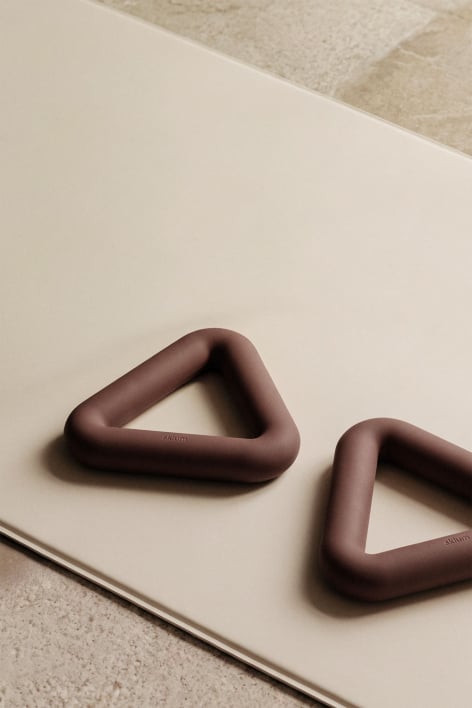
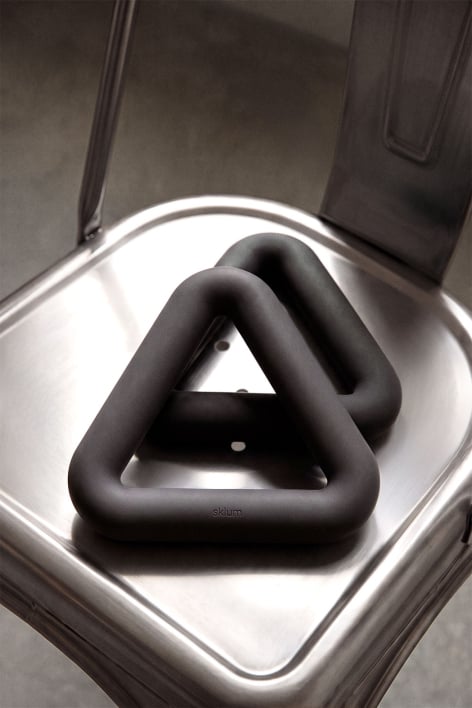
| Triangular-shaped kettlebells | Designs with a distinct geometry compared to traditional kettlebells. The collection includes a 3.5 kg option made of silicone. | An alternative to incorporate controlled exercises with light loads, paying attention to grip comfort and stability during movement. |
| Kettlebells of different weights | The weight determines the external resistance of the exercise and should be selected taking into account physical ability, technique, and the intended movement. | They allow you to adapt the difficulty of the sessions and organize a training progression when you have adequate loads. |
Advantages of incorporating kettlebells into the home gym
- Training versatility: the same kettlebell allows for different movement patterns, from controlled strength exercises to dynamic fitness sequences, provided the corresponding techniques are mastered.
- Stability and coordination work: the position of the load relative to the handle requires controlling its trajectory and maintaining an appropriate posture during movements, incorporating demands for balance and muscle stabilization.
- Space optimization: its compact format allows you to configure a training area with a relatively small surface area, without the need to incorporate large structures.
- Adaptation to different objectives: the selection of the load and the type of exercise allows the sessions to be oriented towards strength, muscular endurance or general conditioning, depending on the level and individual planning.
- Integration into varied routines: kettlebells can complement bodyweight exercises, resistance bands and other accessories, expanding the possibilities of training at home.
How to choose the right kettlebell
Choosing a kettlebell for home workouts should begin with identifying your main goal. A beginner in bodyweight exercises doesn't require the same weight as someone experienced in strength training. The appropriate weight depends on your fitness level, technique, and the specific exercise, so there's no single recommendation that works for everyone.
The handle design is another crucial aspect. Its thickness, width, and shape must allow for a secure grip, especially during movements where the load changes position. It's also advisable to check the body geometry and the stability of the base to facilitate its placement on the floor between exercises. For models with specific coatings, it's important to check the usage and maintenance instructions, as the contact properties may vary depending on the material.
Before buying, pay attention to the dimensions and the available space for training. Although kettlebells take up little space when stored, dynamic exercises require a clear area around the body. It's advisable to have a stable surface, avoid nearby obstacles, and select movements compatible with your personal experience and the environmental conditions.
For those new to kettlebell training , it's best to start with controlled technique exercises and a load that allows for proper posture. Progression should be gradual, prioritizing movement quality over increased weight or repetitions. Ballistic exercises, such as kettlebell swings, require specific technique.
Strength and conditioning exercises with kettlebells
The versatility of kettlebells allows them to be incorporated into different training routines. Common exercises include front squats, deadlifts, kettlebell carries, and certain press variations. Each movement presents different demands on strength, mobility, and stability, so it should be selected according to individual ability.
In squats, the kettlebell can be used as external resistance while maintaining control of the torso. In deadlifts, the weight allows for practicing hip extension patterns with proper technique. Load carrying, meanwhile, incorporates a stabilization component during movement. These applications allow for the organization of varied workouts without relying exclusively on weight machines.
Dynamic movements require special attention. Kettlebell swings, for example, are based on a hip hinge pattern and should not be confused with a lift performed solely with the arms. Before incorporating them into a routine, it is important to master the technique and use an appropriate load, preferably with professional supervision if you lack experience.
Frequently asked questions about kettlebells
-
What is the difference between a kettlebell and a Russian weight?
There is no functional difference between the two terms. Kettlebell is the English term for Russian weight and is used to describe the same type of equipment, characterized by a weight with a handle that allows for strength and conditioning exercises.
-
What kettlebell weight is recommended for beginners?
It depends on experience, available strength, and the exercise you want to perform. An appropriate load should allow you to execute the movement with control and maintain proper technique. Before choosing, it's advisable to assess your individual capabilities and seek professional guidance when necessary.
-
Which muscles are worked with kettlebells?
It depends on the exercise. Squats and hip hinge movements may primarily involve the leg and hip muscles, while load carrying and certain lifts incorporate a significant demand for trunk stabilization and upper body muscle engagement.
-
How should kettlebells be cleaned and stored?
Maintenance depends on the materials and finishes of each model. It is recommended to follow the manufacturer's instructions, remove moisture after use, and avoid abrasive products incompatible with the surface. To store them, place them on a stable base where they cannot roll or fall accidentally.
Design, functionality, and training experience
The inclusion of kettlebells in a home gym reflects a new approach to exercise where equipment should be tailored to both physical needs and available space. Their compact design allows for a variety of routines without requiring complex equipment, while choosing the right weight makes it easy to create progressive strength and conditioning sessions.
From body control exercises to muscle resistance movements, kettlebells offer a variety of possibilities for completing a home workout area. Explore Sklum's kettlebells and choose the design and weight that best suits your experience, goals, and training style.