


Filter(0 Filters applied)
Yoga blocks
Yoga blocks are support accessories that allow you to adapt certain poses to your mobility and the needs of each session. Also known as yoga bricks, they help bring the point of support closer when your hands don't comfortably reach the floor and allow you to explore different positions without forcing the movement.
At Sklum you'll find yoga blocks to complete your home practice space. Combine them with a mat and other accessories to prepare your yoga sessions, improve your mobility, and enhance your stretching at your own pace.
3 products in Yoga blocks
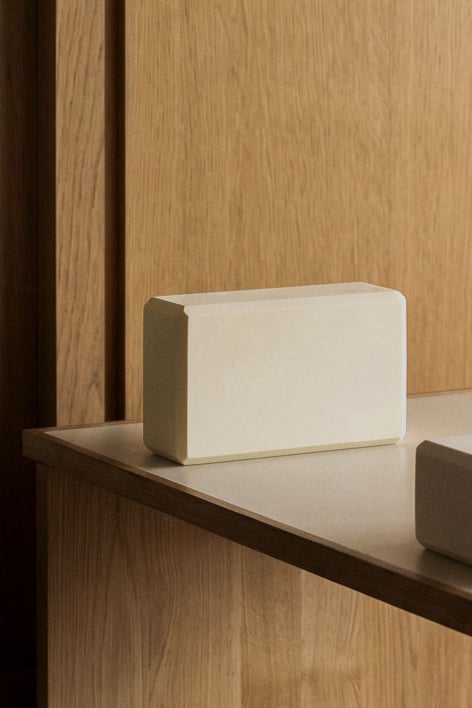
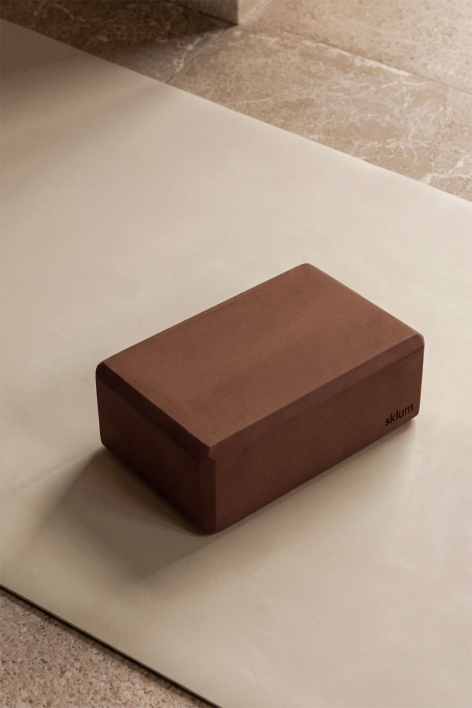
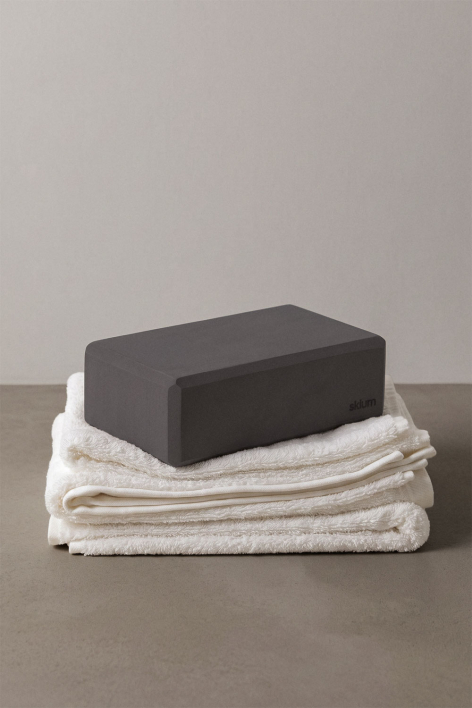
You have seen 3 products from 3
Yoga blocks are accessories designed to provide additional support during practice. Their function is to bring the floor closer when a pose requires a range of motion that is not yet comfortable or when you need to adjust your hand position to maintain balance.
Also known as yoga blocks , they can be used in various mobility exercises, stretches, and yoga poses. They are a great addition for beginners and for those who want to explore variations of poses they already know.
What are yoga blocks used for?
Yoga blocks allow you to adjust the distance between your body and the floor. In certain poses, placing them under your hands helps you find accessible support without needing to increase the bend in your torso or legs.
They can also be used as a reference for working on body placement or as support in exercises that require maintaining a position for a few moments.
Its usefulness depends on posture, how it's positioned, and individual needs. It's not about achieving a more demanding position, but about having an accessory that allows you to adapt the exercise.
Yoga blocks for beginners
Yoga blocks for beginners are a resource to become familiar with certain postures without trying to reproduce their deepest version from day one.
For example, in a forward bend, a block can bring the hands closer to the ground. In some standing poses, it also provides an additional reference point when the ground is too far away.
The height and position of the block should be chosen according to the exercise and the stability you need. If you are a beginner, follow the guidance of a yoga professional to learn how to use it correctly.
Yoga bricks to adapt the postures
Yoga blocks can be placed in different ways to modify the height of the support, as long as the product design and the exercise allow it to be done in a stable manner.
Instead of trying to reach the ground at all costs, you can use the block to maintain a position adapted to your mobility. This is especially useful in poses where the hands need a point of contact and the distance to the ground limits the execution.
The goal is to find a position that allows you to perform the exercise in a controlled manner. Avoid using the block on unstable surfaces or in positions for which it is not intended.
Support blocks for yoga and stretching
Yoga blocks can also be used in certain stretching routines. Depending on the exercise, they allow you to adjust the height of support or provide a reference point for maintaining a position.
You can incorporate them into sessions focused on hip, leg and back mobility, provided that the chosen posture allows for this type of support.
Remember that a block should not be used to force a joint or to increase a stretch beyond your comfortable range of motion. Its purpose is to help you adapt your practice, not to replace proper technique.
Is it better to use one or two yoga blocks?
The number depends on the exercises you want to do. Some poses require only one point of support, while others allow you to use two yoga blocks to support both hands at a similar height.
If you're setting up a practice space at home, you can review your usual routine and see if you need one or two accessories. Also, check if the product you choose is sold individually or in a pack.
How to combine yoga blocks with other accessories
Yoga blocks are part of the equipment you can use to set up a yoga area at home. Each accessory has a different function, so it's best to choose them according to the type of practice.
- Yoga mat: provides a surface for performing postures and exercises on the floor.
- Yoga blocks: offer additional support points and allow for the adaptation of certain positions.
- Yoga straps: can help modify the range of motion in specific exercises, following the instructions for use.
- Pilates accessories: these are geared towards other exercises and do not necessarily replace the function of the blocks.
If you practice at home, make sure you have enough space around the mat to move around and place the accessories without obstacles.
Which yoga block should I choose?
Before buying, it's advisable to consider the intended use and the features listed in the product specifications. This guide summarizes the main aspects you should review:
| Aspect | Advantages | Ideal for... | What do you need to check? |
|---|---|---|---|
| Dimensions | They determine the height and the surface available to support the hands. | Adapt the accessory to different exercises. | The exact measurements of the model. |
| Material | It influences the weight, texture, and maintenance of the block. | Choose an accessory that matches your usage preferences. | The composition indicated in the data sheet. |
| Support surface | It allows you to assess how the block is positioned in each exercise. | Postures that require hand support. | Stability and recommended use. |
| Quantity of units | It allows you to prepare exercises with one or two points of support. | Routines that use both arms simultaneously. | Whether it is sold individually or in a pack. |
How to use yoga blocks at home
Before starting a session, place the mat on a stable surface and leave the yoga blocks nearby so you can incorporate them when needed.
During practice, use the block only in positions for which it is appropriate. Make sure it is firmly supported and does not move when you place your hands on it.
If a position causes pain or requires an effort you can't control, modify it or stop the exercise. The block is a support accessory and does not, on its own, guarantee correct execution.
Frequently asked questions about yoga blocks
What are yoga blocks?
These are accessories that provide additional support during certain poses and exercises. They are also known as yoga blocks.
What are yoga bricks used for?
They are used to modify the support height, adapt some postures and accompany mobility and stretching exercises.
Are yoga blocks only for beginners?
No. They can be used by people with different levels of experience. Their function depends on the exercise and the desired adjustments.
Do I need one or two blocks to practice yoga?
It depends on your routine. Some poses use a single block, while others allow you to place one under each hand. Check the product contents before purchasing.
Can I use yoga blocks for stretching?
Yes, in exercises that allow for additional support. It's important to use them without forcing the movement and following the appropriate instructions for each position.
Does a yoga block replace a yoga mat?
No. The mat provides a surface for practice, while the block serves as a support accessory for specific exercises. Both can be used together.
How do you clean yoga blocks?
The method depends on the material and finish. Consult the maintenance recommendations for each product before using water or cleaning products.
Discover Sklum's yoga blocks
Complete your practice space with accessories that allow you to adapt each session to your needs. Explore Sklum's yoga blocks and find the perfect complement to your poses, mobility exercises, and stretches at home.