Filter(0 Filters applied)
LED Bulbs
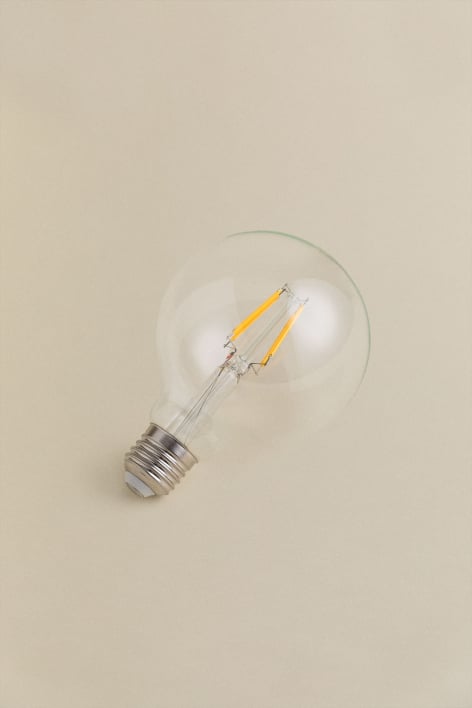
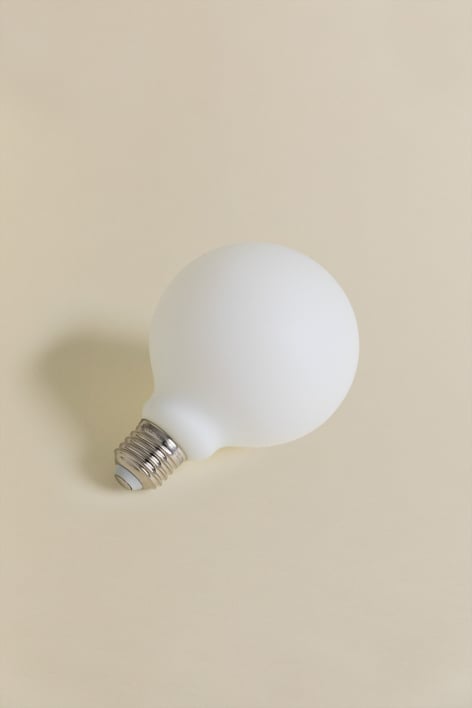
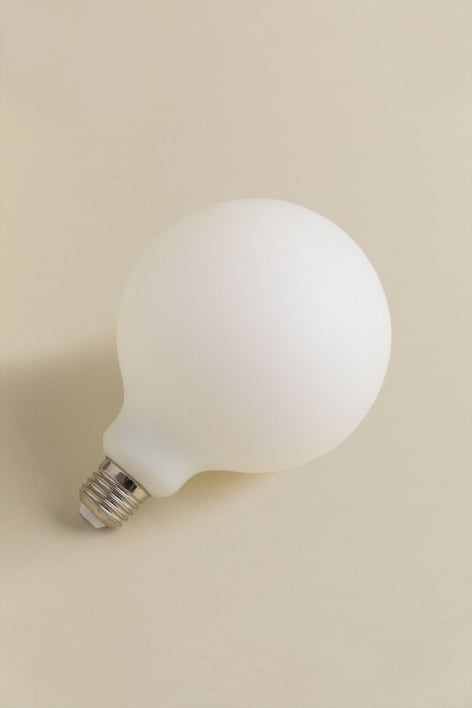
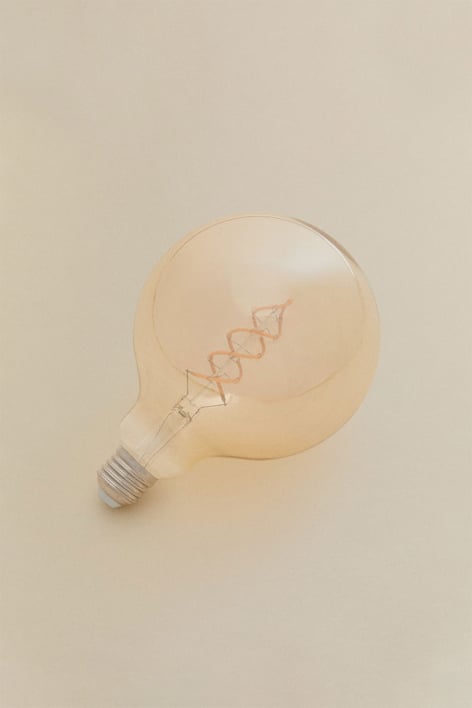
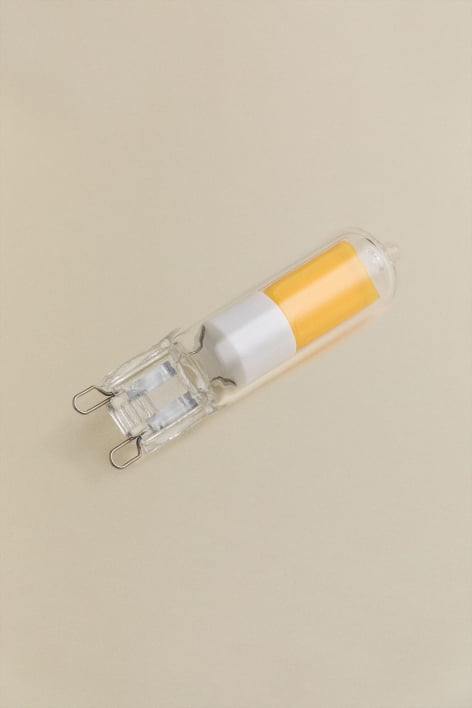
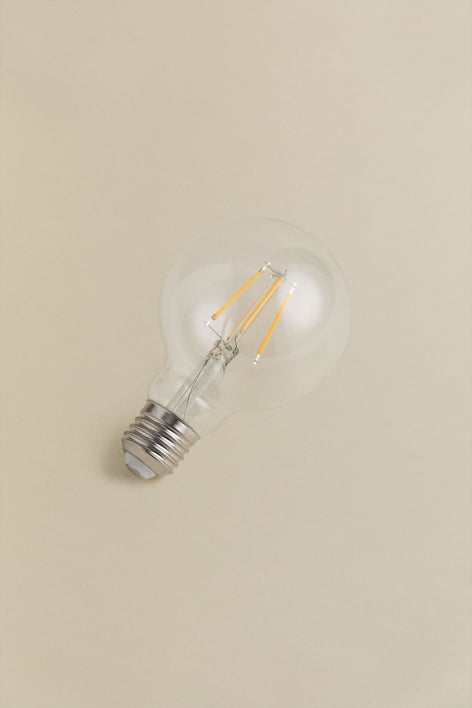
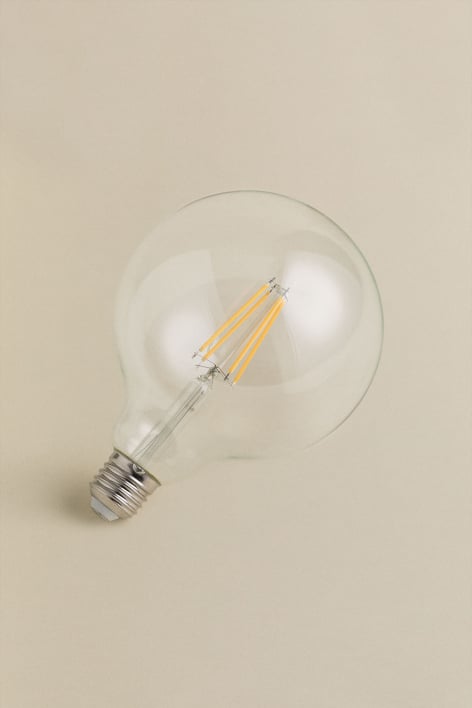
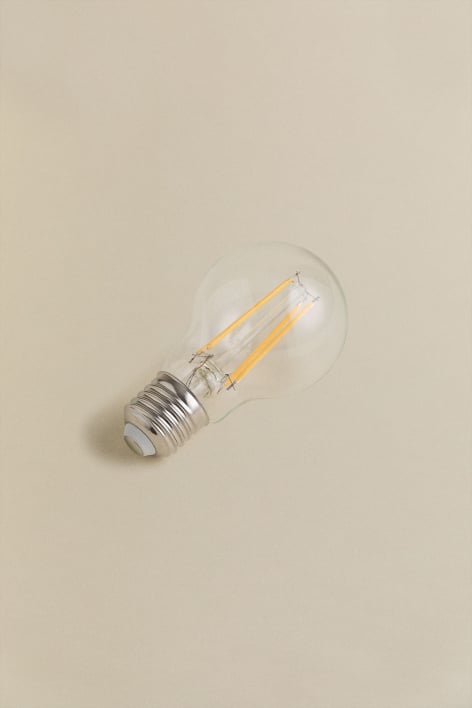
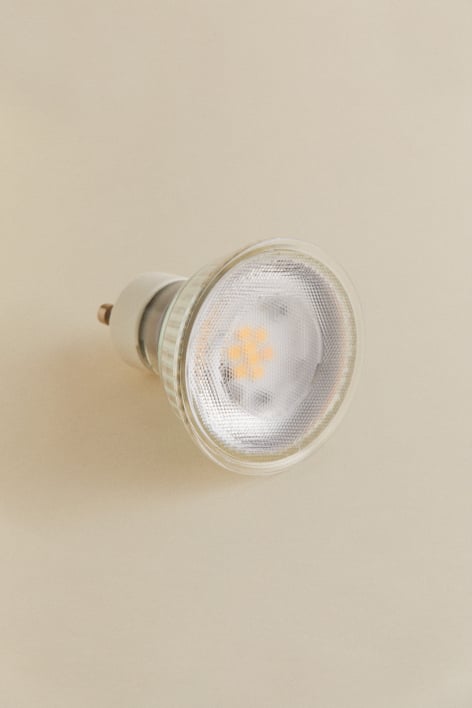
Nothing can replace the magic and beauty of decorative filament bulbs in our lighting. Their appeal lies in their retro look, which allows them to easily adapt to different decorating styles . Their designs are so beautiful that it's common to see them suspended from a simple fabric cable, inside metal cages, in classic chandeliers, or even in the most modern compositions with lamps ceiling lamps . Our designer LED bulbs are highly efficient , guaranteeing lower energy consumption, emitting less heat floor lamps and enjoying a longer lifespan than traditional incandescent bulbs. The technology used to create these decorative LED bulbs allows them to be installed in environments subject to vibrations, and their filaments provide such natural light that they enhance any color palette table lamps giving a vintage touch to any room. The glass bulbs that cover them can be transparent, frosted white, or subtly coated in chrome, gold, or rose gold to prevent glare and enhance any space. The new Bulb Trend, which we at Sklum have prepared for you, offers nothing but advantages . Haven't you decided to buy the chicest bulbs of the moment yet?
21 products in LED Bulbs
EARLY BLACK
You have seen 21 products from 21
LED light bulbs: the efficient and aesthetically pleasing light revolution
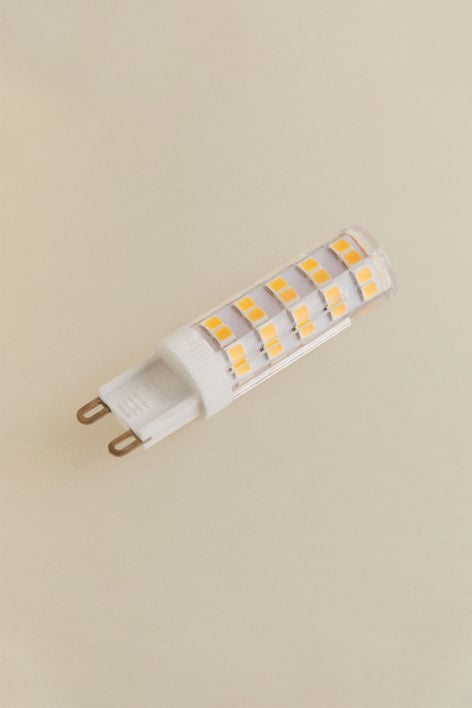
If you're wondering whether LED bulbs are the best option for your home, the answer is a resounding yes from both a technical and aesthetic perspective. This type of lighting represents a significant leap forward in energy efficiency compared to traditional incandescent bulbs, eliminating energy loss in the form of heat. Elements like LED ceiling lights not only reduce your electricity bill but also contribute to sustainability thanks to their exceptionally long lifespan. Furthermore, the versatility of the light-emitting diode allows you to configure the exact color temperature for each space, from the warmth needed for a vintage wall sconces to the functional cool brightness of a kitchen.
Analysis of technologies and styles
| Type of light bulb | Technical specifications | Recommended app |
|---|---|---|
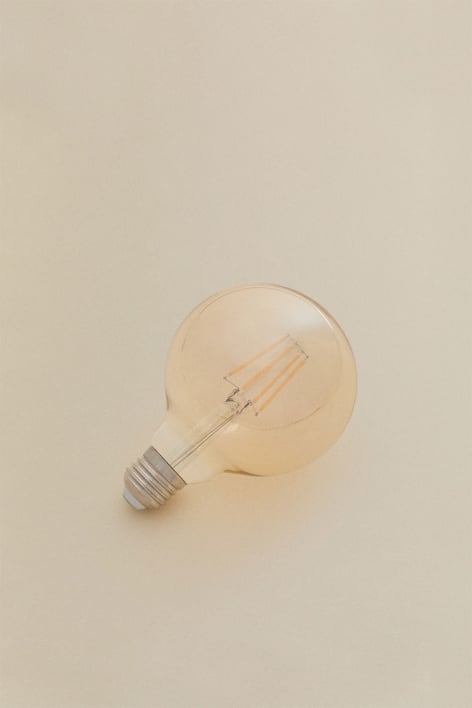
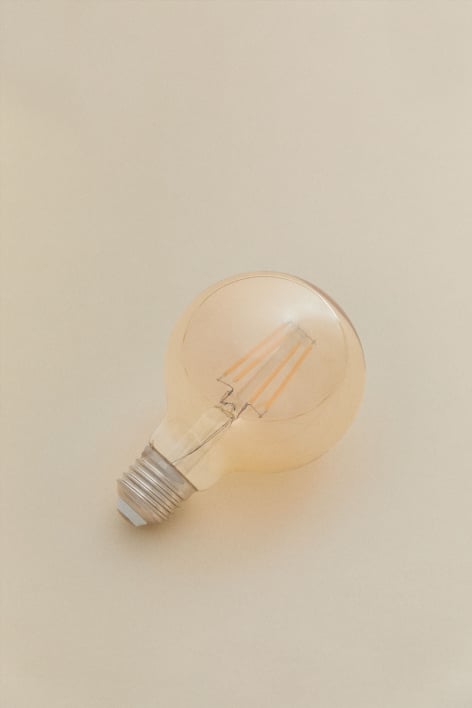
| Filament LED (Vintage) | It replicates the aesthetics of the classic tungsten filament using linear diodes. Warm light (2200K-2700K) and clear or amber bulb. | Lamps where the bulb is visible, providing a retro and industrial style without sacrificing low energy consumption. |
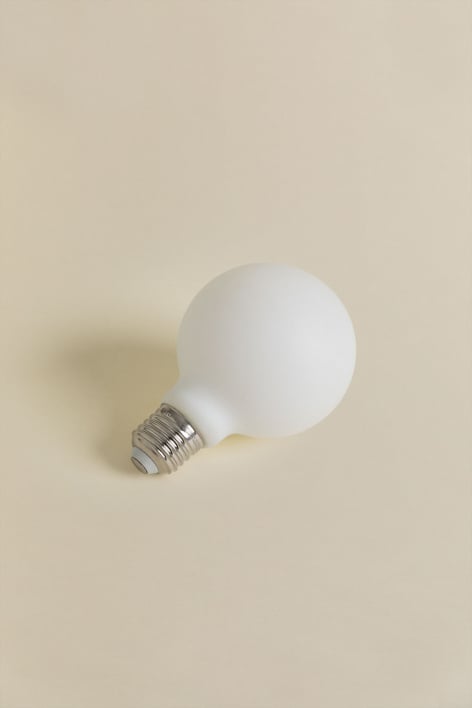
| Decorative LEDs (Globo/Edison) | Large formats with sculptural shapes. Tinted glass in gold, smoke or pink to avoid glare. | Creating focal points with simple pendant lamps or clusters above dining tables. |
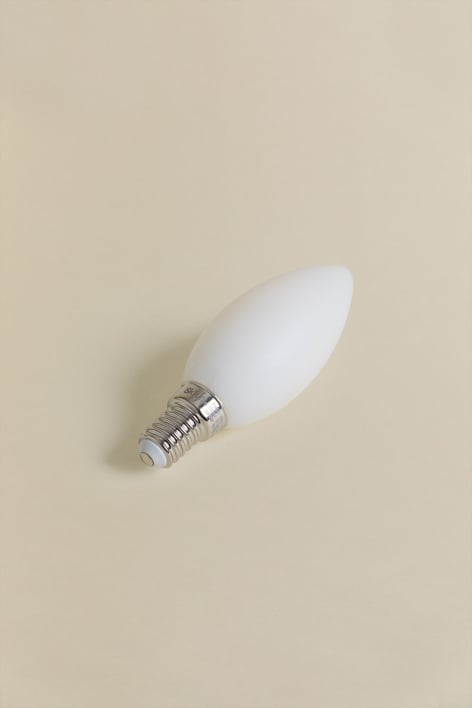
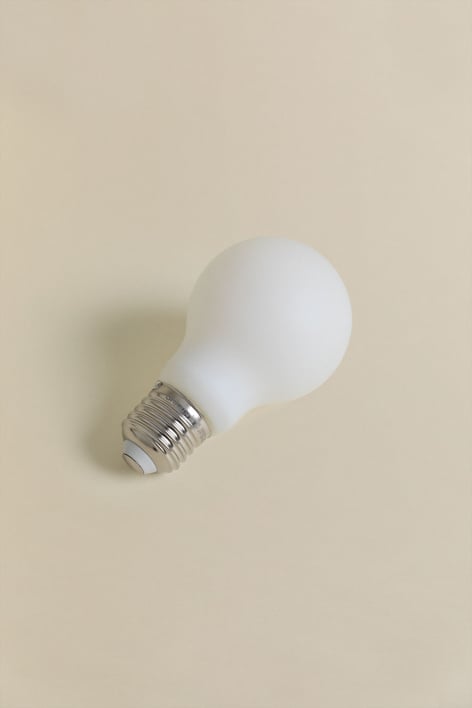
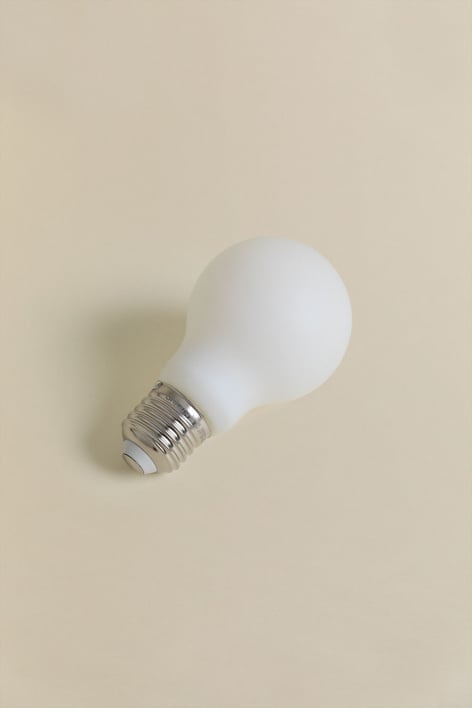
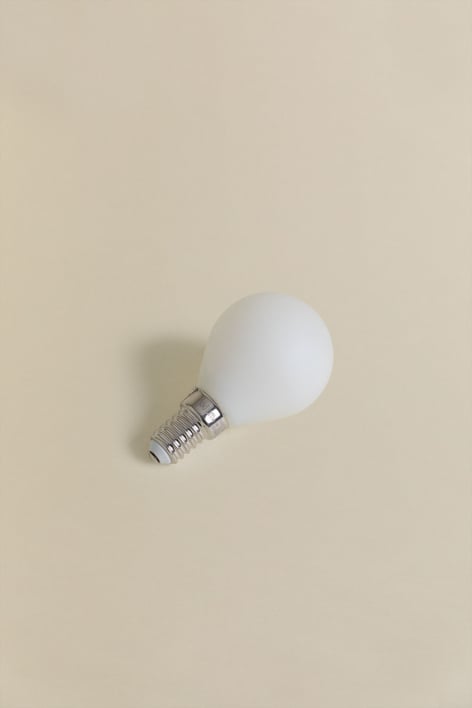
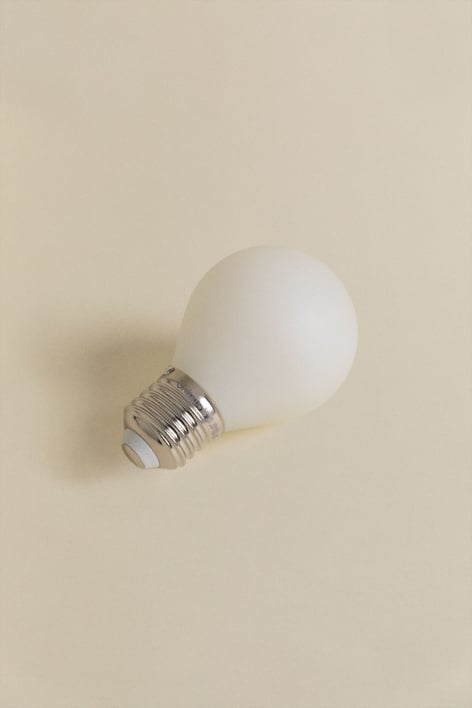
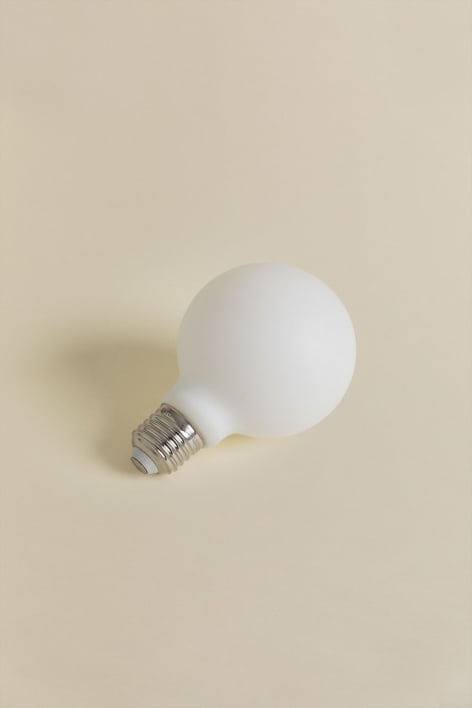
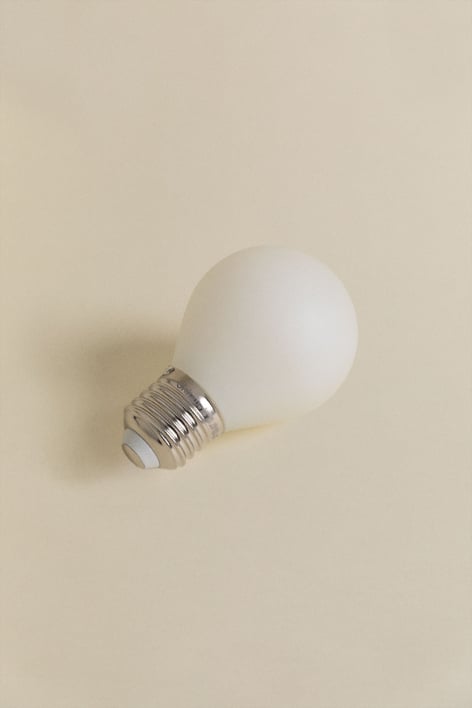
| Standard LED | White diffuser that distributes light evenly and softly, concealing the internal components. | General lighting in lamps with textile shades or ceiling lights where pure functionality is sought. |
| Smart strips and lights | Flexible systems with color change capability (RGB) and intensity regulation. | Indirect lighting under furniture, in ceiling coves or to create personalized lighting scenes. |
Advantages of LED technology in the home
- Superior energy efficiency: They consume up to 80-90% less than traditional incandescent bulbs for the same amount of light (lumens).
- Long lifespan: They can last between 15,000 and 50,000 hours, drastically reducing the frequency of replacement and the generation of waste.
- Color temperature control: They allow you to choose from very warm lights for relaxation areas to cool lights for concentration, adapting to each activity.
- Instant start-up: Unlike older energy-saving bulbs, LEDs reach their maximum intensity the moment they are switched on.
Expert tips for choosing the right light bulb
When choosing a light bulb, focus on lumens (amount of light) and not just watts. For a relaxed atmosphere in the living room, look for between 400 and 800 lumens with a warm color temperature (2700K). For a work area, opt for more than 1000 lumens and a neutral light (4000K). If the bulb will be visible, aesthetics are key: an amber filament bulb will provide unparalleled decorative warmth, perfect for complementing your decoration .
Frequently asked questions about LED lighting
-
Can LED light bulbs be dimmed?
Only if the model specifies that it is "dimmable". Attempting to dim a standard LED bulb may cause flickering or damage it.
-
Which bushing do I need?
The most common type is E27 (large screw base) for ceiling and floor lamps, and E14 (small screw base) for small table lamps. Always check the socket of your light fixture.
-
Do LED light bulbs get hot?
They emit very little heat compared to incandescent or halogen bulbs, making them safer to touch and preventing overheating of lampshades.
-
What does the temperature "Kelvin" mean?
It measures the "color" of the light. Less than 3000K is warm (yellowish) light, around 4000K is neutral (natural white) light, and more than 5000K is cool (bluish) light.
The future of lighting is now
LEDs have democratized lighting design, allowing efficiency and aesthetics to go hand in hand. You no longer have to choose between saving energy and having beautiful light. With filament and decorative options, the light bulb ceases to be a consumable and becomes an object of desire that defines the character of your home.