Montessori Bedroom
Creating an environment that fosters autonomy and cognitive development is the fundamental principle of the Montessori method. Adapting a child's room with Montessori furniture involves selecting pieces that allow children to interact with their environment safely and freely. Instead of simply being a place to rest, the room becomes a laboratory for experimentation where the child can explore, play, and learn using children's games designed to stimulate their abilities. This approach is based on simplicity, beauty, and order, promoting a prepared environment that responds to the child's needs. The strategic use of children's storage accessible materials is key to fostering responsibility and development in young children.
53 products in Montessori Bedroom
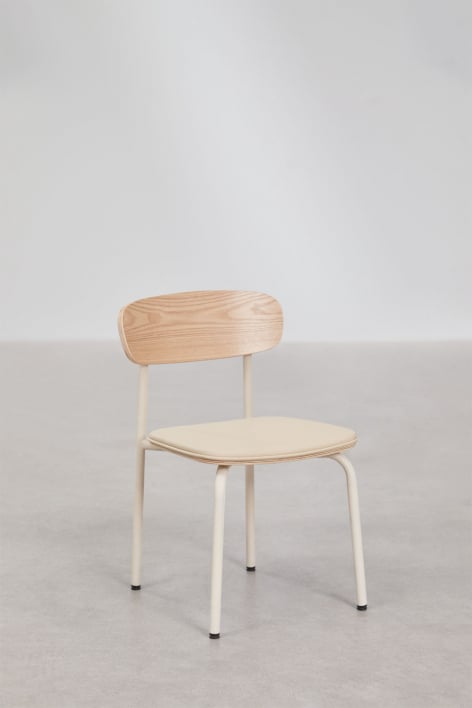
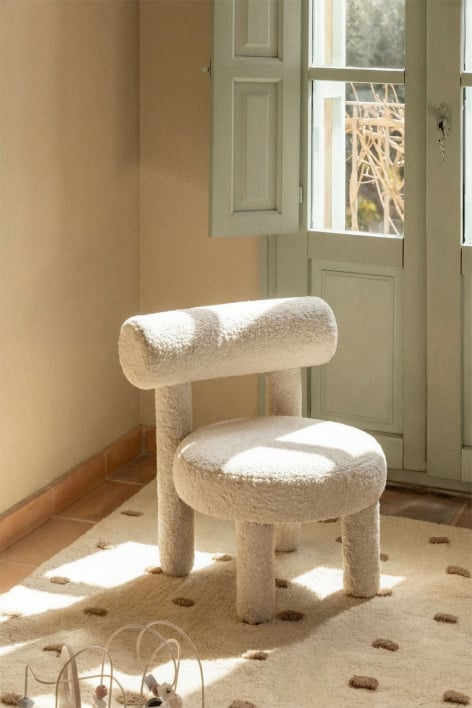
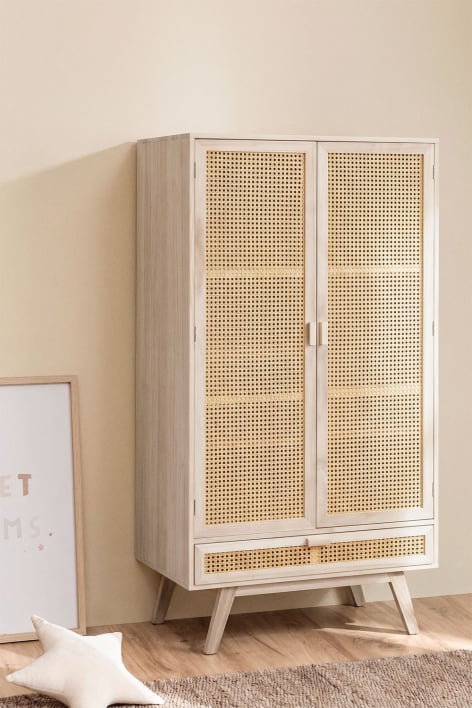
Montessori Room: An environment for autonomy and discovery
A Montessori bedroom is not simply a decorated space; it is a carefully designed learning environment to foster independence, creativity, and the child's holistic development. Inspired by the pedagogy of Maria Montessori, this philosophy promotes the creation of a space adapted to the child's height and needs, where they can explore, play, and learn safely and independently. The goal is to create an environment that supports the child's growth, nurturing their innate curiosity and desire to learn through direct experience.
Essential elements of a Montessori bedroom
| Element | Characteristics | Benefits |
|---|---|---|
| Floor Bed | Accessible from any point, without barriers or elevated structures. | It fosters autonomy by allowing the child to decide when to go to bed and get up, eliminating dependence on the adult. |
| Low and Accessible Shelving | Height adapted so that the child can reach and store their toys and materials without help. | It promotes order and responsibility by facilitating the selection and autonomous storage of objects. |
| Mirror at Child's Height | Placed at a low height so the child can see himself and explore his body image. | It promotes self-awareness, motor coordination, and the exploration of movements. |
| Multifunctional Furniture | Small tables and chairs, trunks with wheels, modular shelves that adapt to growth. | It allows you to reconfigure the space according to the child's needs, fostering creativity and adaptability. |
Benefits of a Montessori environment
- Autonomy: The child makes decisions and performs activities on his own, developing confidence and self-esteem.
- Active Learning: The space invites exploration and experimentation, fostering curiosity and the desire to learn.
- Sensory Development: Natural materials, varied textures and soft colors stimulate the senses and promote calmness.
- Concentration: An orderly and distraction-free environment promotes concentration and attention span.
Tips for creating a Montessori space
The key is to observe the child and adapt the environment to their individual needs. Minimize visual stimuli, using soft colors and avoiding cluttering the walls. Prioritize natural materials such as wood, organic cotton, and wool, which provide warmth and security. Organize the space into zones (rest, play, reading) to facilitate concentration and order. Give the child the freedom to choose their activities and respect their learning pace.
Frequently Asked Questions about Montessori Rooms
-
At what age is it recommended to adapt the room?
You can start adapting the space from birth, but it is especially useful from 6-8 months onwards, when the child begins to move more independently.
-
What's the difference between this and a traditional children's room?
In a Montessori room, everything is designed at the child's height, encouraging their independence and active participation. Elements such as cribs with bars or tall shelves are avoided.
-
Is a bed on the floor safe?
Yes, by eliminating the risk of falls from heights. It's important to ensure the mattress is firm and well-ventilated.
Design, education and well-being
A Montessori bedroom is an investment in your child's future, a space that allows them to grow, learn, and develop fully and happily. At Sklum, we select children's furniture that adheres to the principles of this pedagogy, combining functionality, aesthetics, and sustainability. Discover our collection and create an environment that celebrates your child's individuality and potential.