



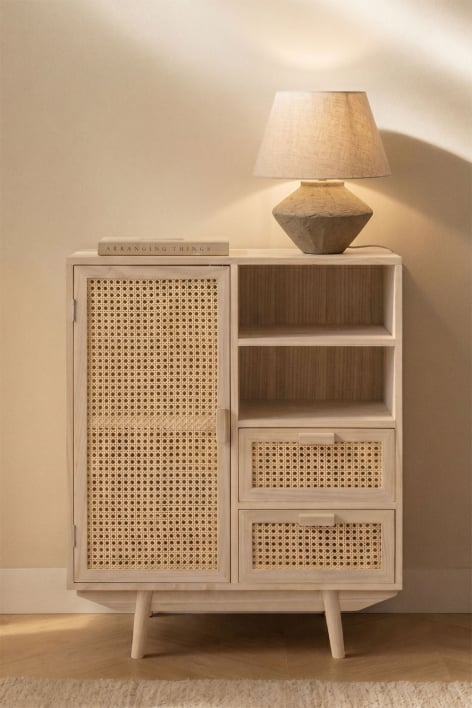

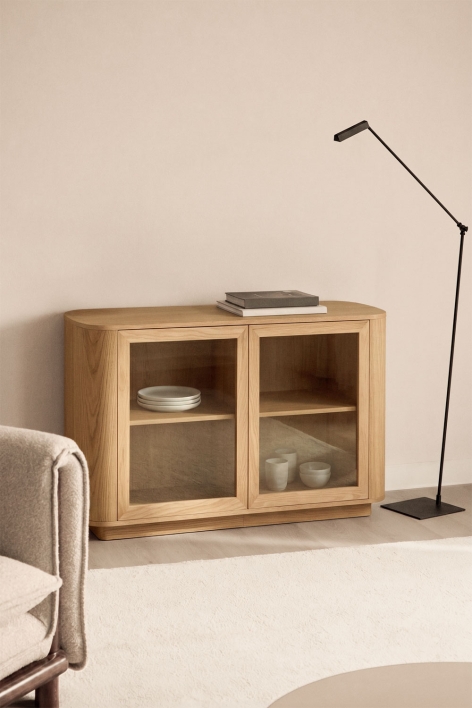
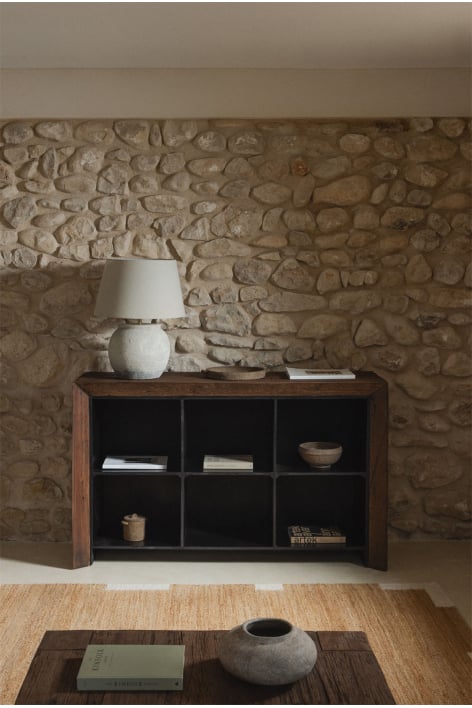
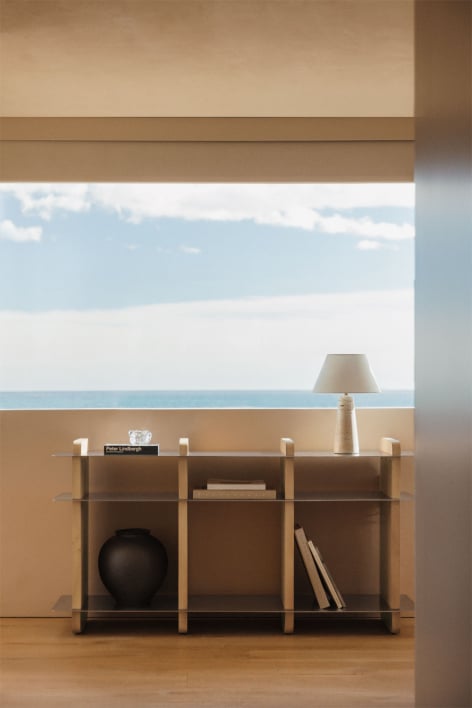
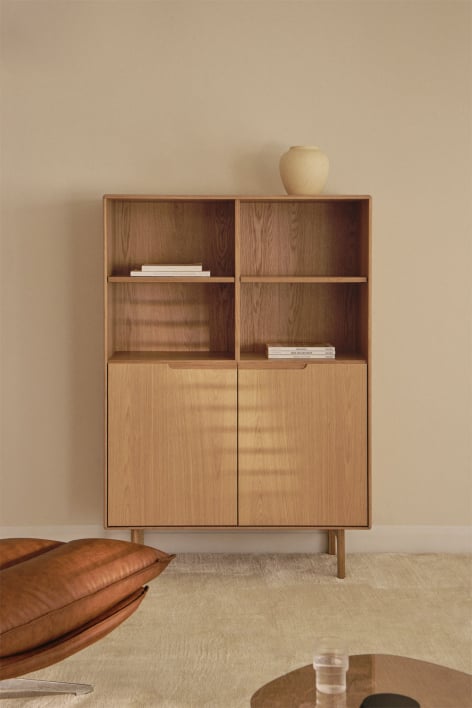
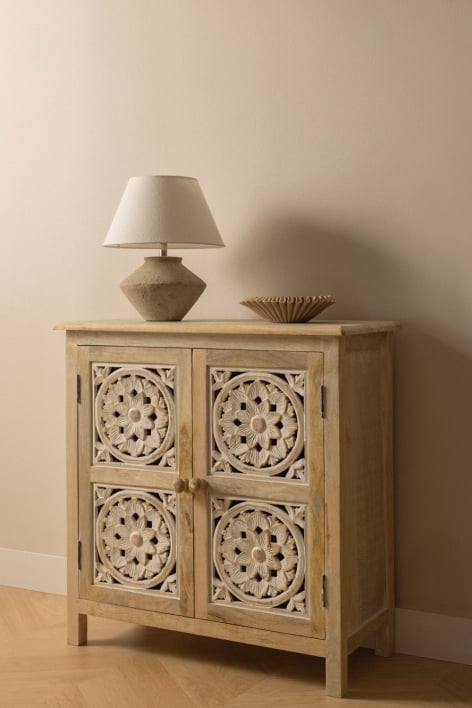
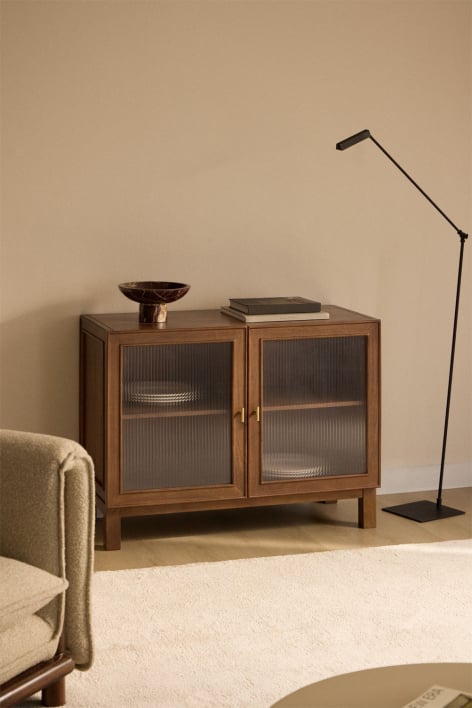
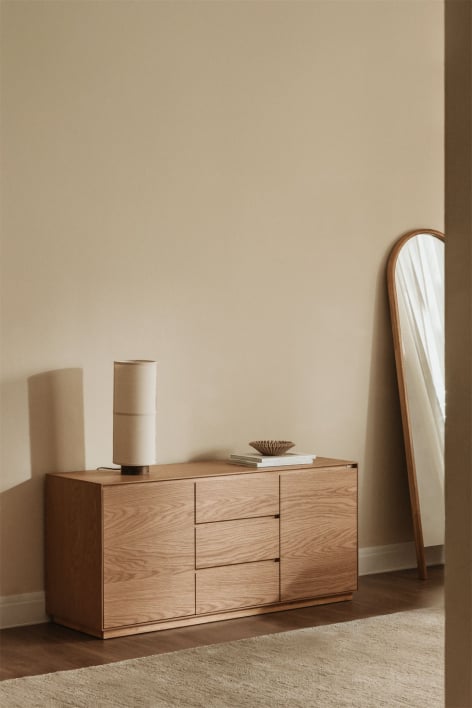
Filter(0 Filters applied)
Sideboards
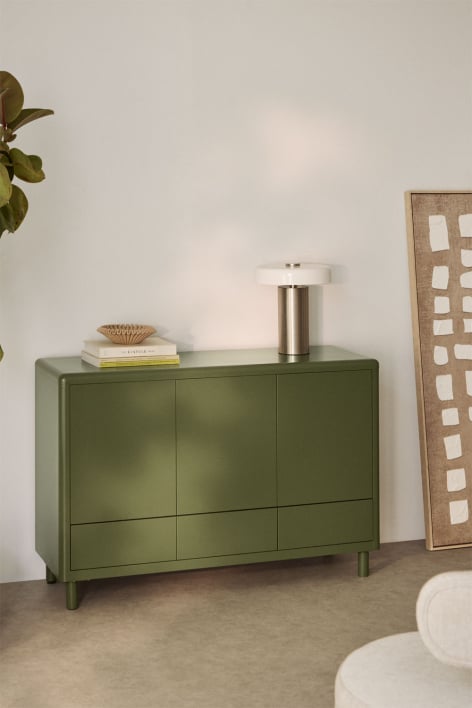
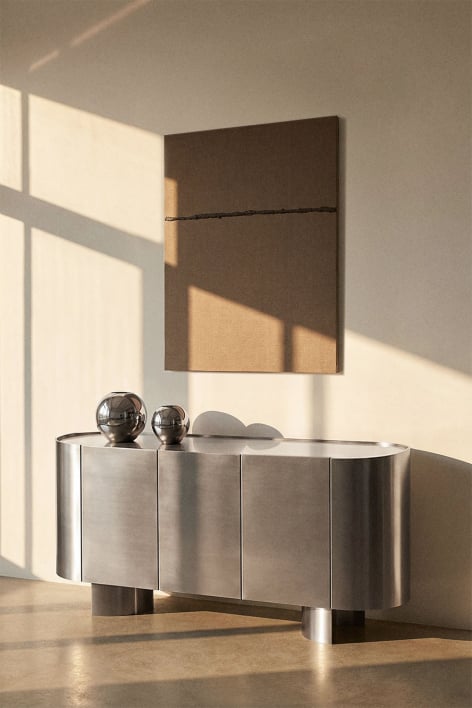
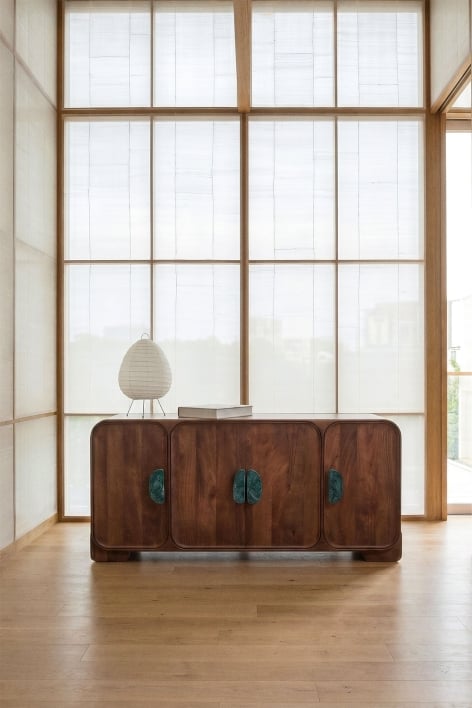
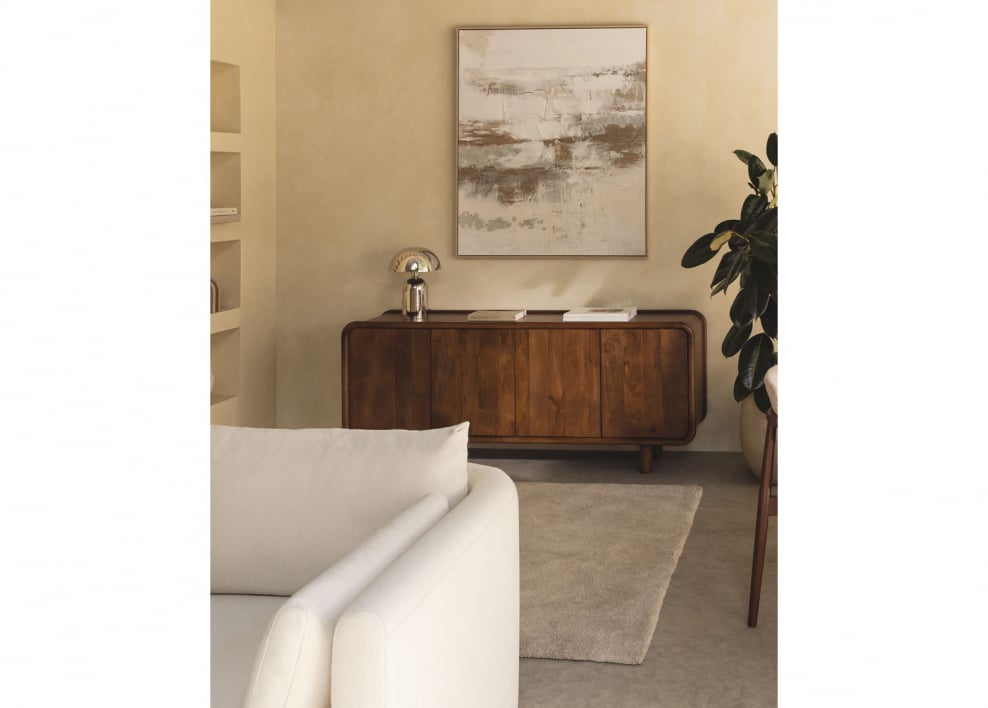
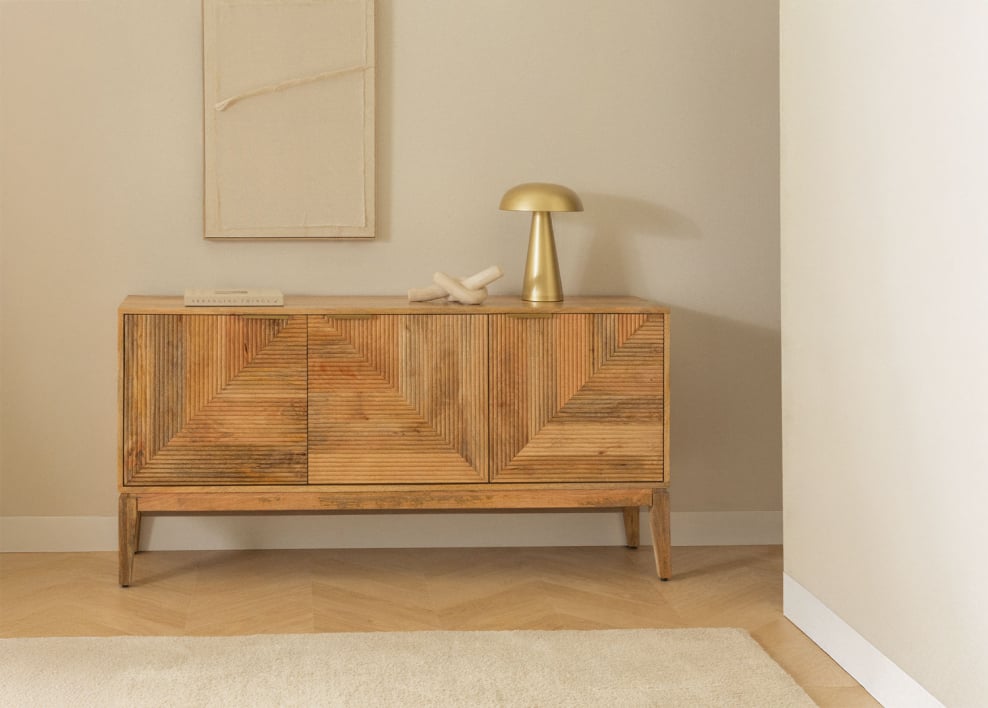
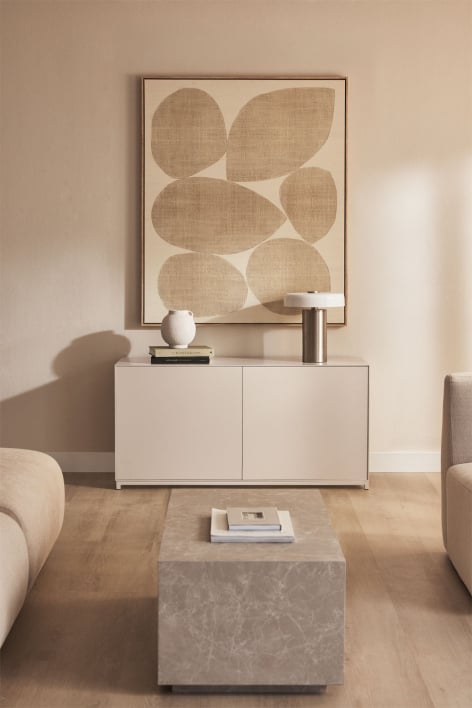
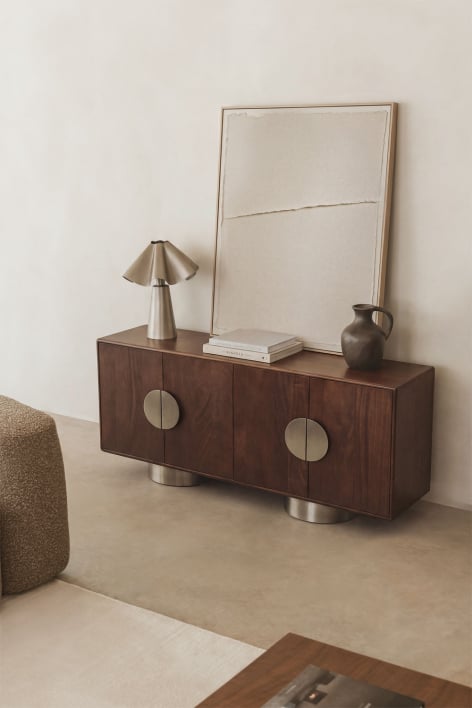
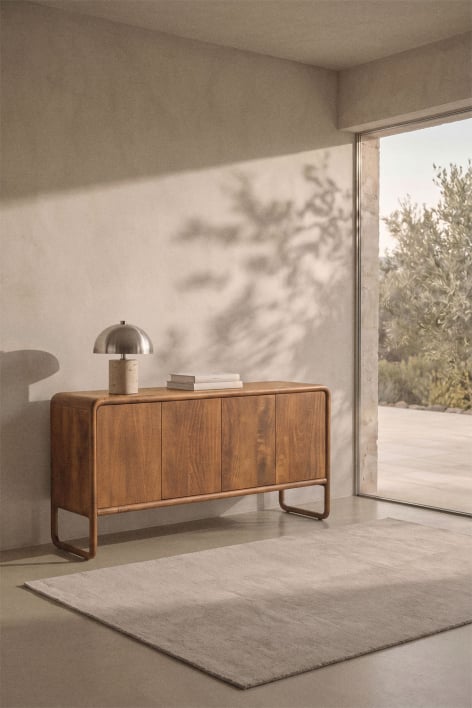
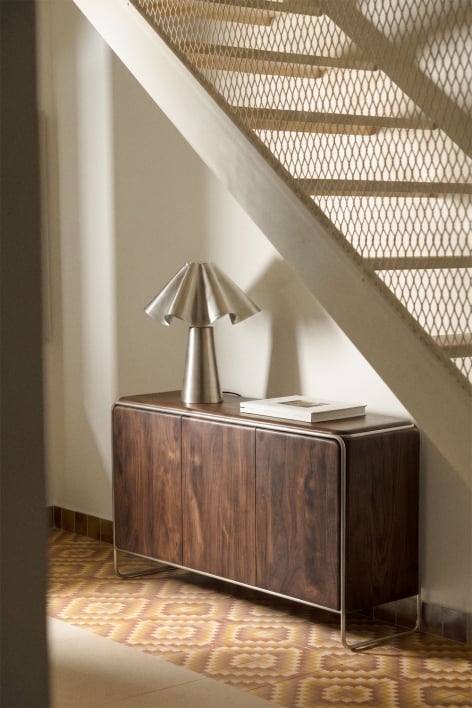
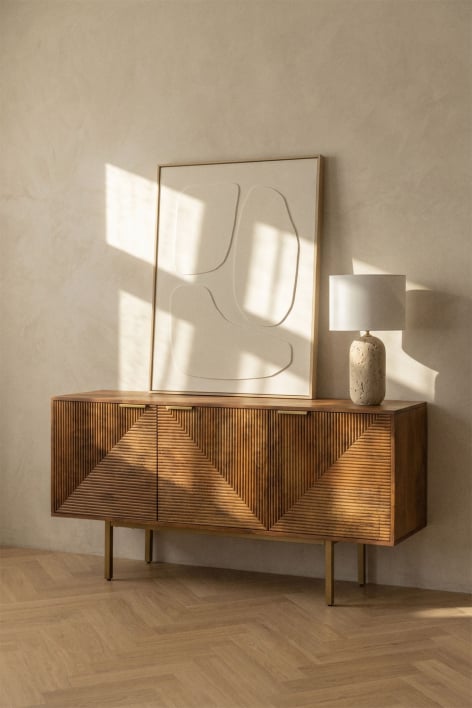
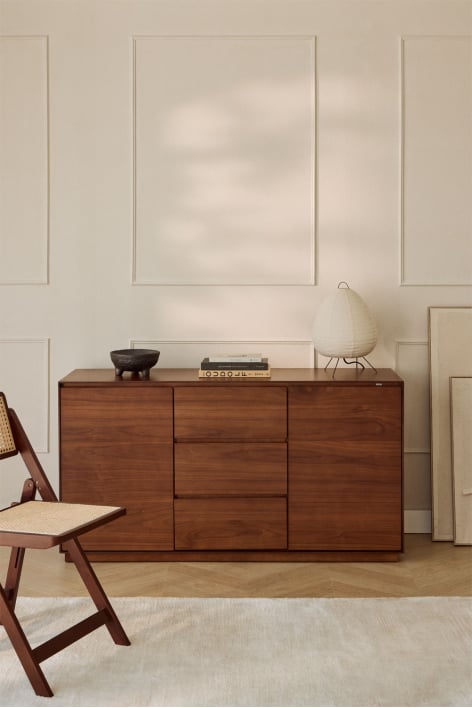
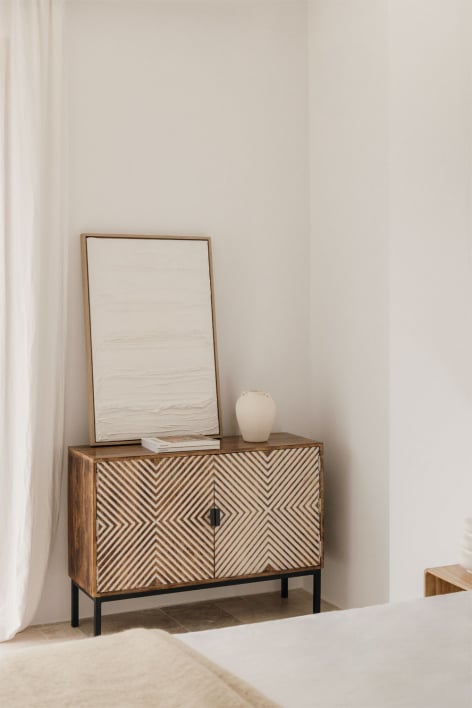
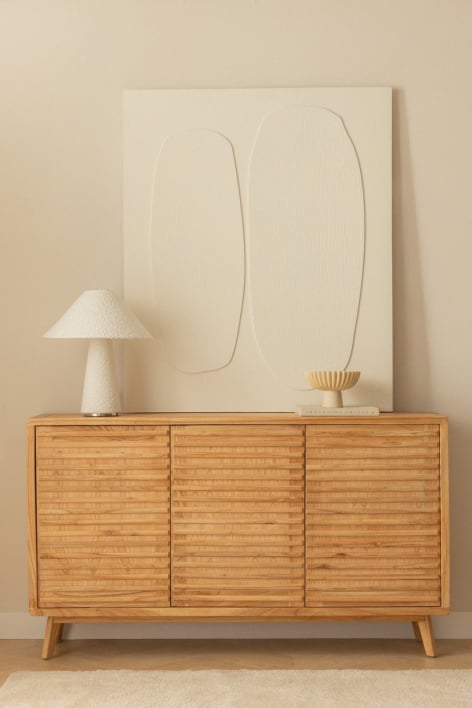
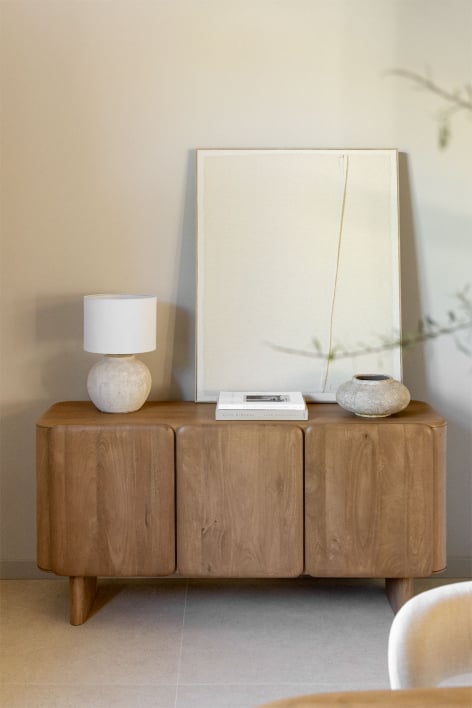
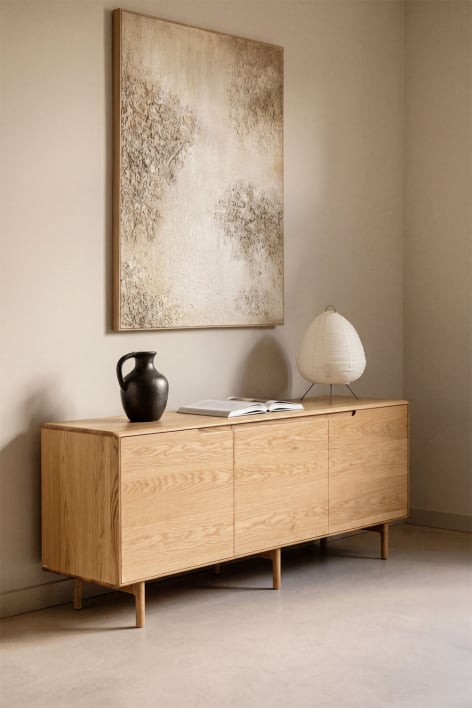
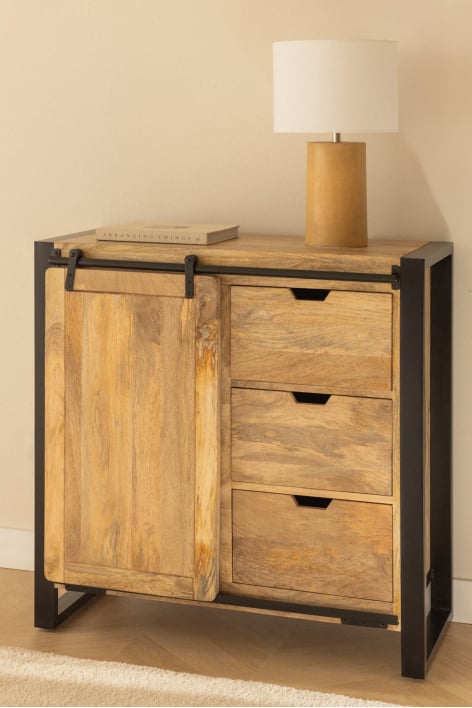
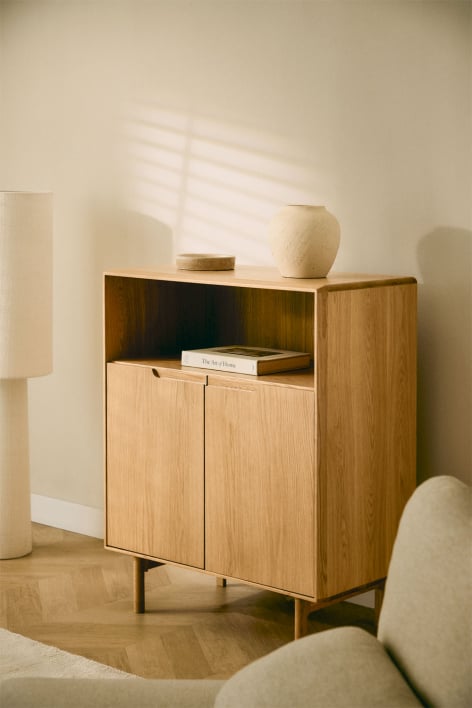
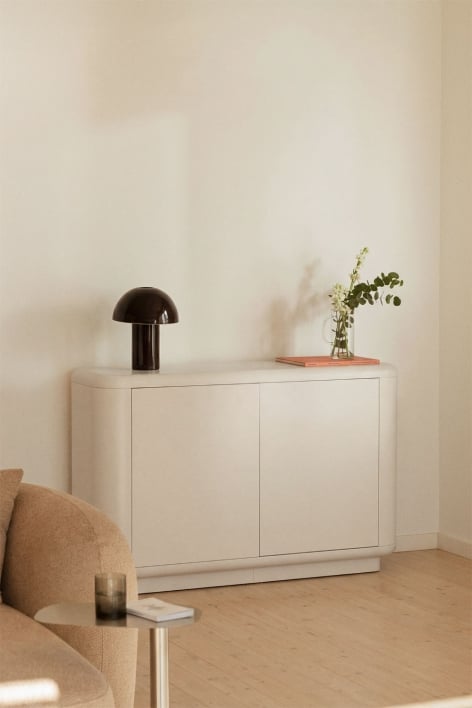
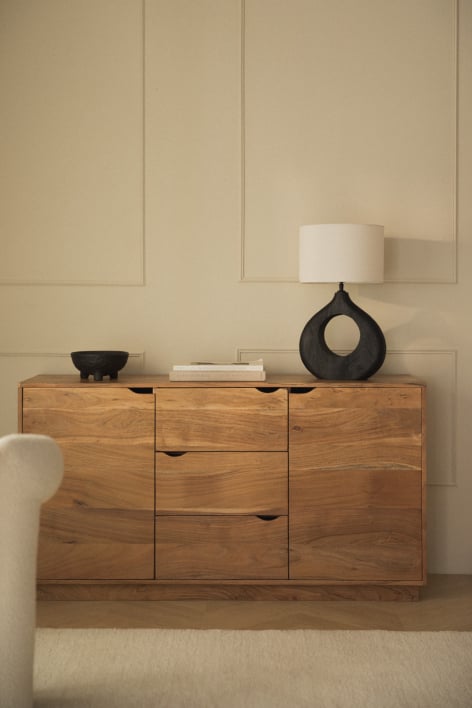
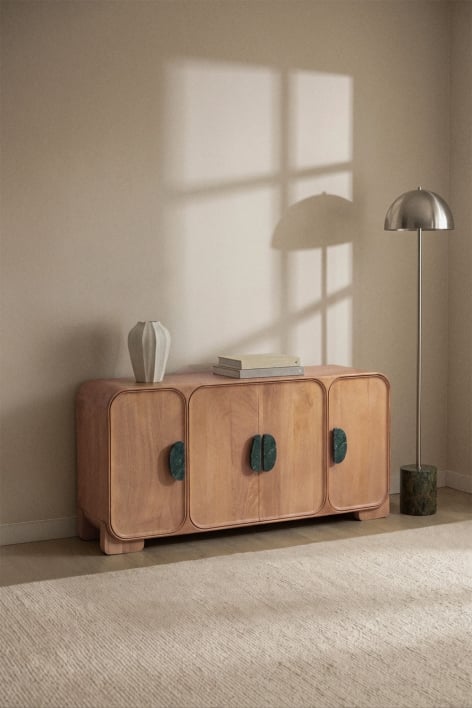
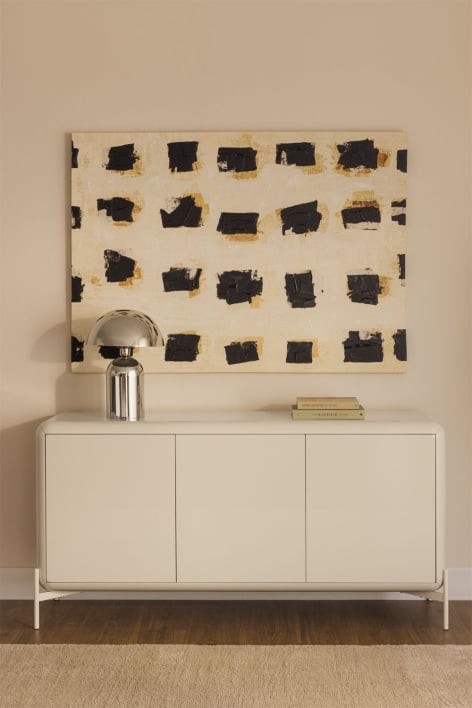
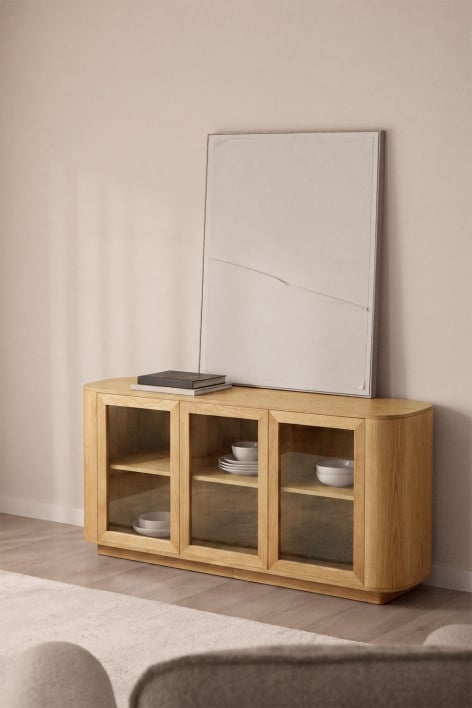
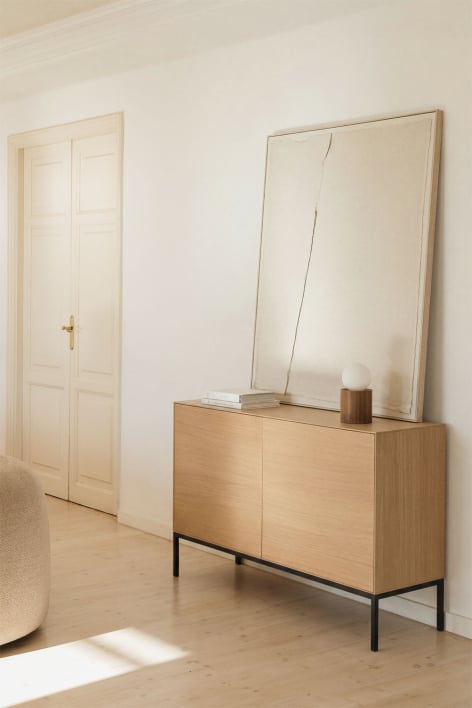
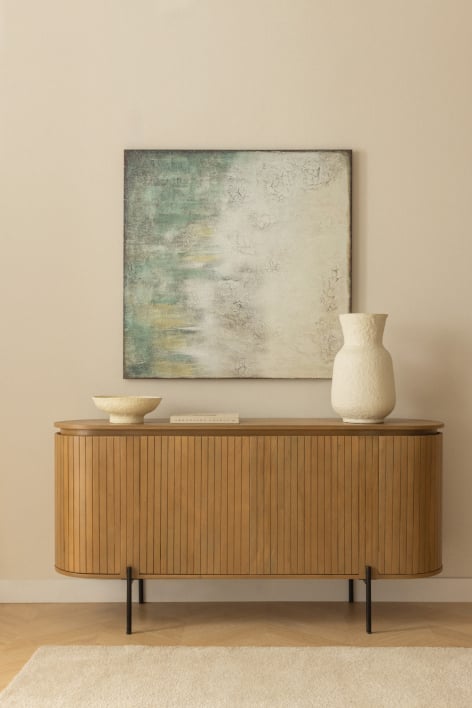
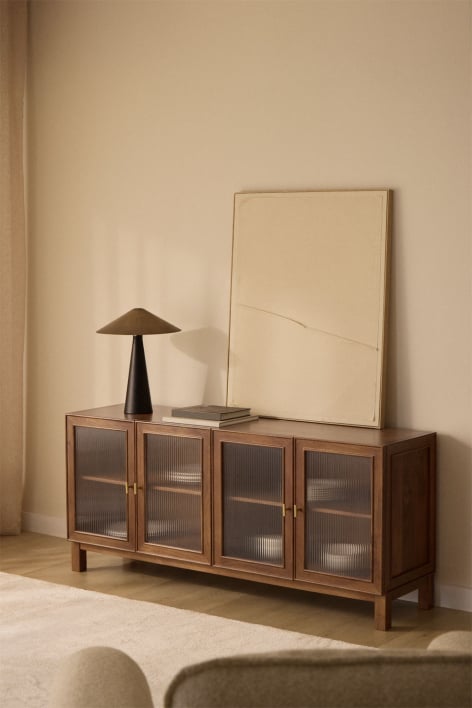
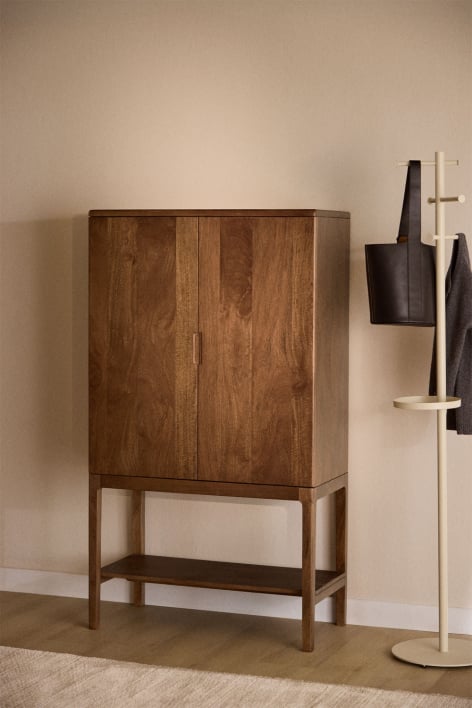
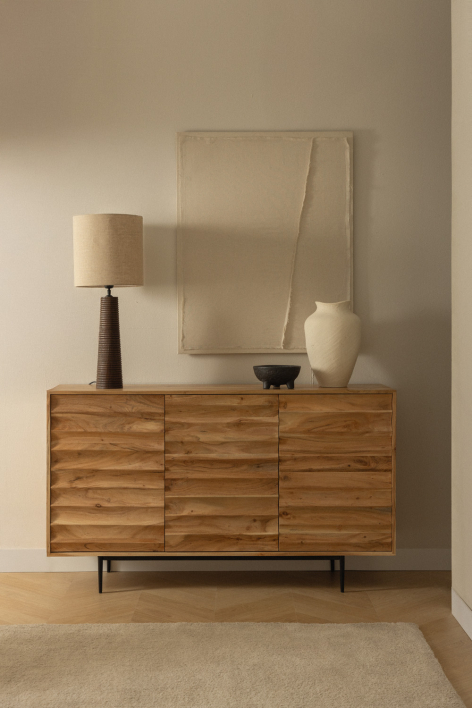
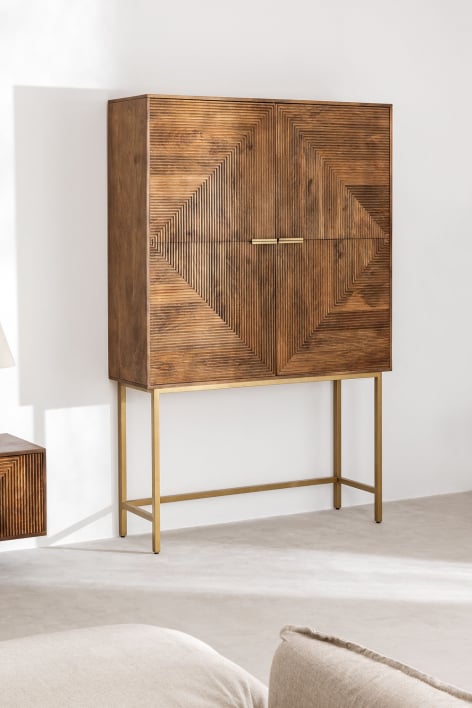
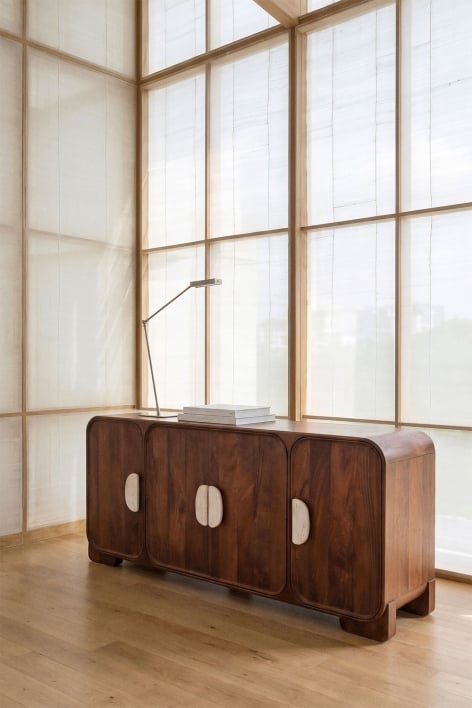
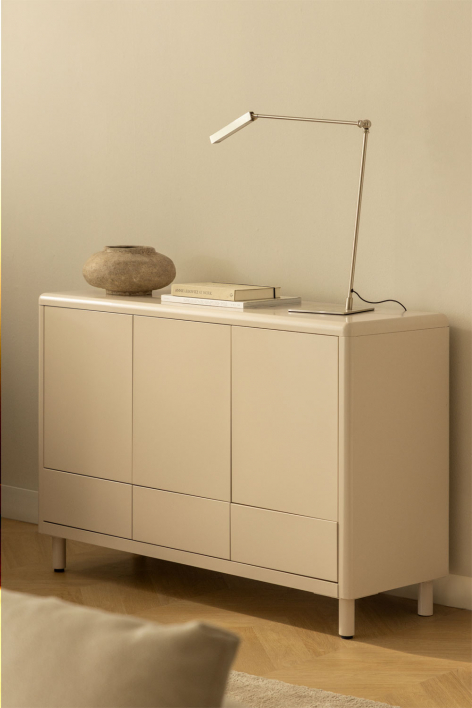
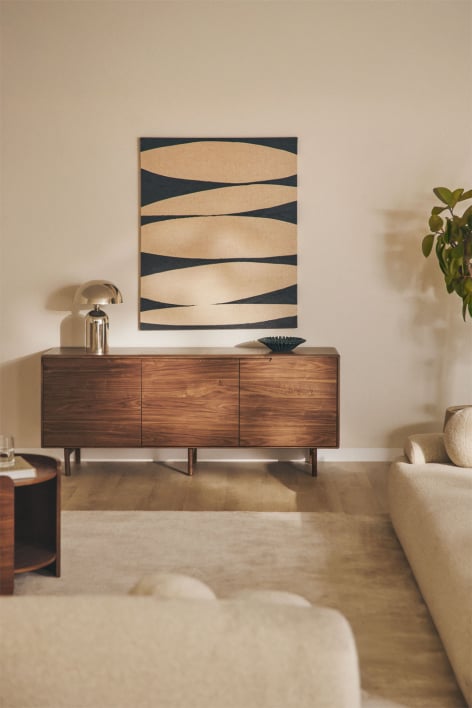
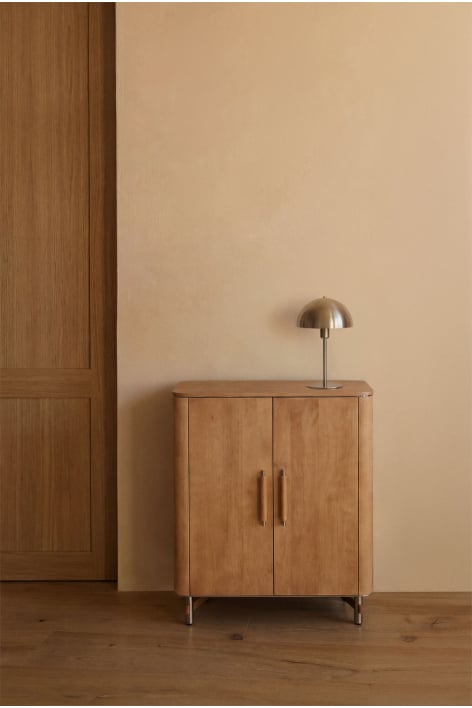
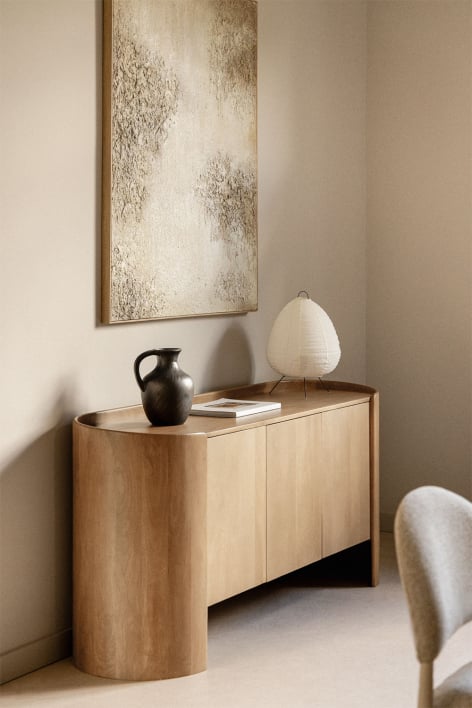
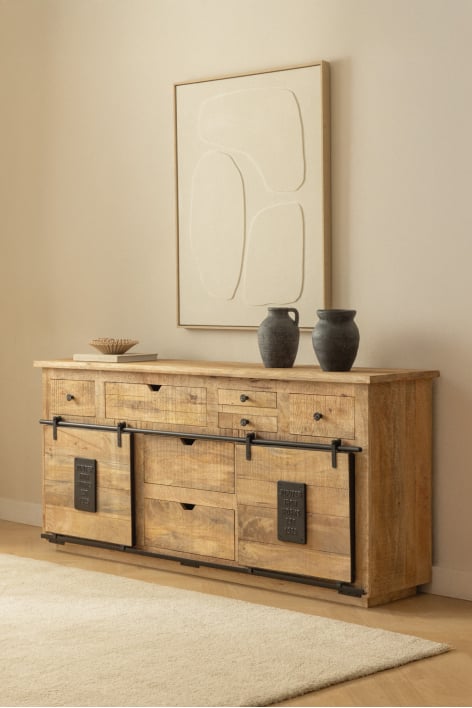
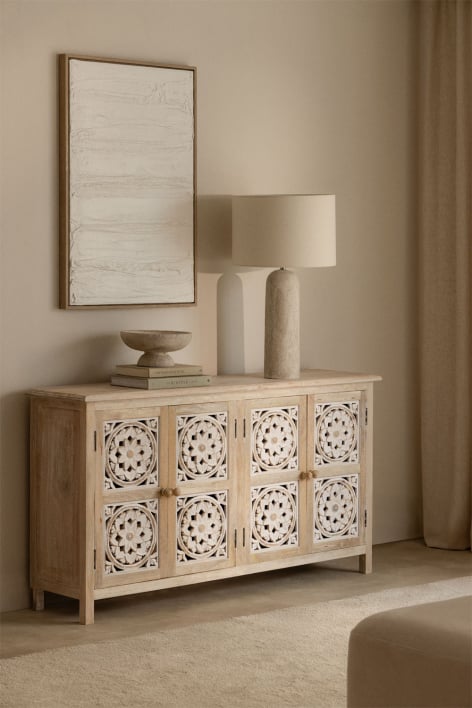
Sideboards transcend their primary function of storage, becoming architectural pieces that structure and lend personality to the main rooms of the home. A well-proportioned living room sideboard acts as a visual focal point, providing a surface for decorative items and an internal volume capable of discreetly housing everything you need. In the heart of the home, a dining room sideboard facilitates the organization of tableware, allowing for uninterrupted conversations and gatherings. Meanwhile, a contemporary kitchen sideboard provides that essential extra space to optimize order in the center of the house. Our selection of sideboards ranges from the tactile warmth of vintage design to the understated elegance of modern and classic styles, using high-quality materials that ensure exceptional durability for everyday use. Whether you're looking for a narrow or tall sideboard to optimize compact spaces or define hallways, each design is conceived to enhance the livability of your home. By complementing the living room with other storage solutions such as the comfortable , a balanced environment is achieved where cutting-edge design and practicality converge in perfect harmony. Investing in a piece of this caliber means opting for a more organized, welcoming, and distinguished home, capable of reflecting a unique aesthetic sensibility through structures that celebrate form and function.
61 products in Sideboards
SIGNATURE
Show more products
You have seen 50 products from 61
Sideboards: the masterpiece of decorative storage
In interior design, a sideboard is much more than just a storage piece; it's a style statement that structures the space. Its surface offers a perfect backdrop for decorative items, while its interior conceals tableware, linens, or documents, maintaining visual order. From the living room to the entryway, a well-chosen sideboard acts as a visual anchor, adding weight, substance, and functionality. It's the perfect fusion of the storage capacity of a cabinet and the elegance of a console table, adapting to the needs of modern living.
Typologies and materials for each room
| Type of sideboard | Technical specifications | Recommended app |
|---|---|---|
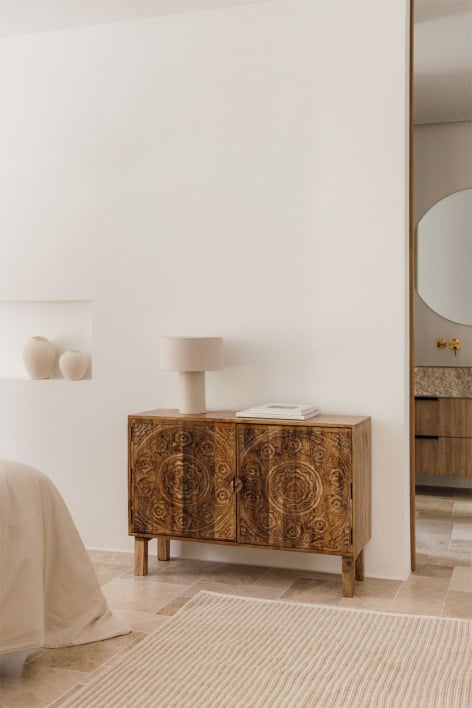
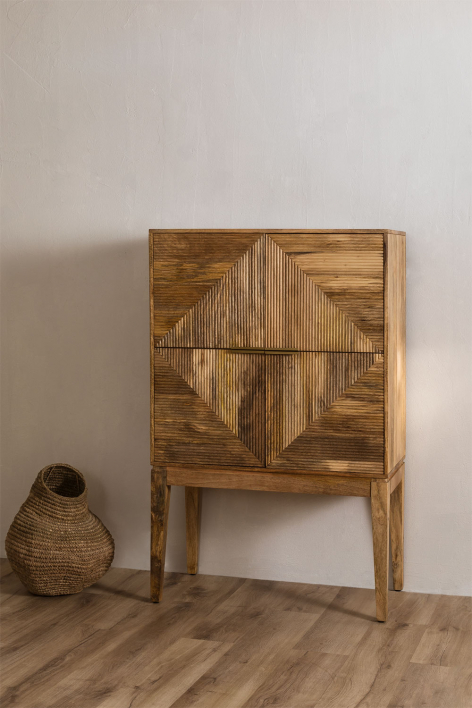
| Solid wood sideboards | Oak, mango or teak. They bring warmth, robustness and a unique organic texture. | Nordic or modern rustic style living rooms that seek timelessness and durability. |
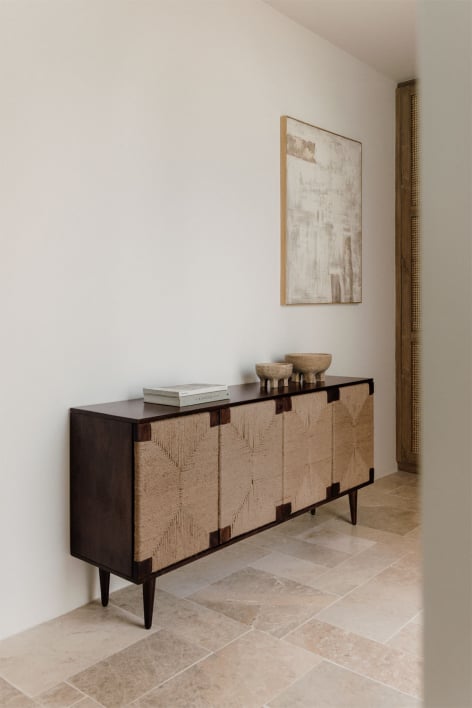
| Sideboards with rattan or caning | Doors with plant mesh that allow ventilation and provide visual lightness. | Vintage or boho-chic style dining rooms where a handcrafted and fresh touch is sought. |
| Highboards | Vertical format that optimizes floor space. Large vertical storage capacity. | Small kitchens or dining areas where every square meter counts. |
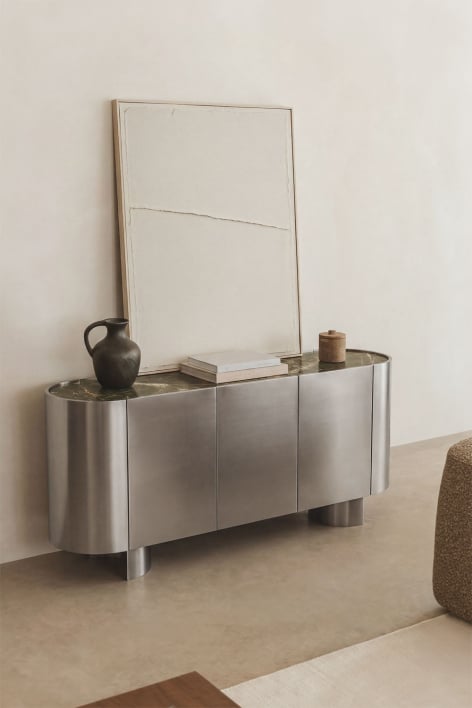
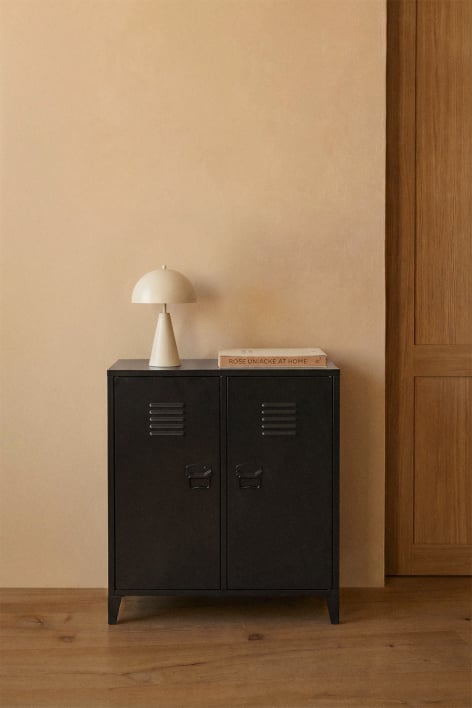
| Metal or industrial sideboards | Steel structures, often with fluted glass doors. Loft-style aesthetic. | Contemporary spaces that require furniture with character and durability. |
Strategic advantages in home organization
- Versatile placement: It works equally well in a dining room storing dishes, in a wide hallway, or as a TV unit in the living room.
- Display surface: The top lid is ideal for creating decorative environments with lamps, leaning pictures, plants and trays.
- Hidden order: Doors and drawers allow you to hide everything that creates visual noise, contributing to a feeling of calm and cleanliness.
- Defining zones: In open-concept spaces, a low sideboard can act as a subtle divider between the living room and the dining room.
Expert advice for choosing your sideboard
Consider proportion: in a dining room, the sideboard should be proportional to the table, ideally the same height or slightly taller. If space is limited, choose a model with tall legs or a wall-mounted design to show off the floor and visually lighten the room. For hallways or passageways, opt for narrow sideboards (30-40 cm deep) that offer storage without obstructing movement.
Frequently asked questions about sideboard furniture
-
What is the difference between a sideboard and a chest of drawers?
The sideboard is usually lower and wider, designed for tableware and linens in living areas. The chest of drawers is taller, with more drawers, and is associated with the bedroom for clothing.
-
What height should a dining room sideboard be?
Ideally, the height should be between 75 and 90 cm. This height allows for comfortably serving food on a buffet-style surface during meetings or dinners.
-
How to decorate the surface of a sideboard?
Apply the rule of three elements (e.g., lamp, plant, stack of books) and play with different heights. A mirror or large painting hung above will unify the arrangement.
-
Is it better with sliding or hinged doors?
In narrow spaces, sliding doors are the best technical option as they do not require an opening angle, facilitating access in passage areas.
Functionality with a design soul
A sideboard isn't just storage; it's the piece of furniture that completes a room's look. Choosing the right design means gaining storage capacity without sacrificing aesthetics. It's an investment in organization and style that elevates your home's appeal.