


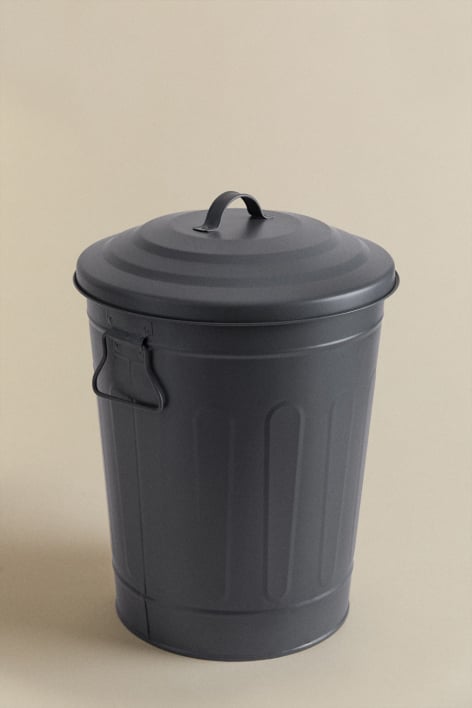
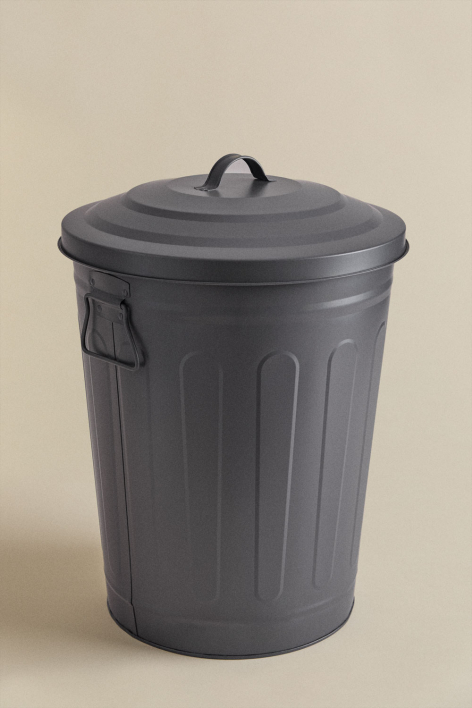
Filters(0 Filters applied)
Outdoor Trash Bins
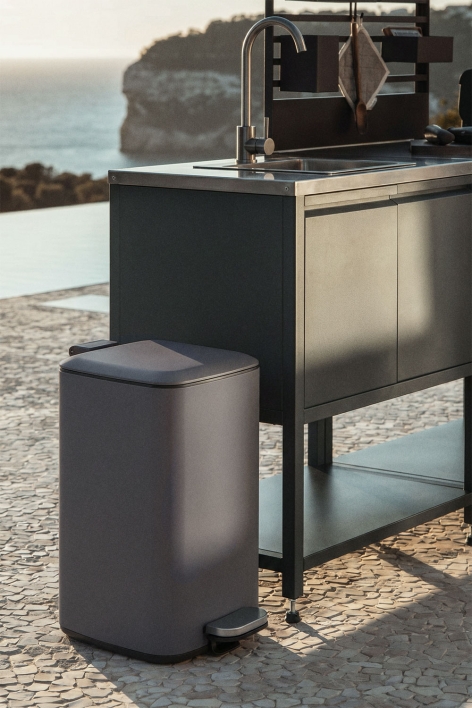
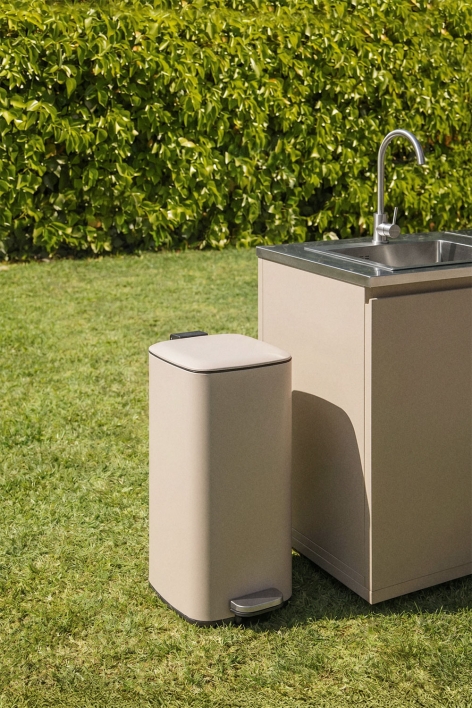
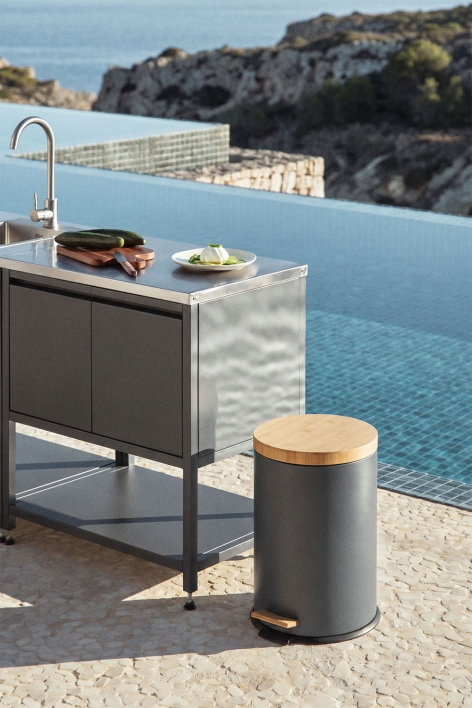
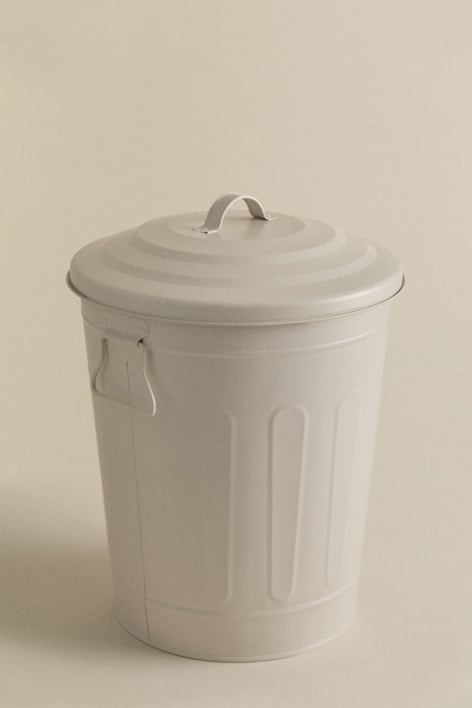
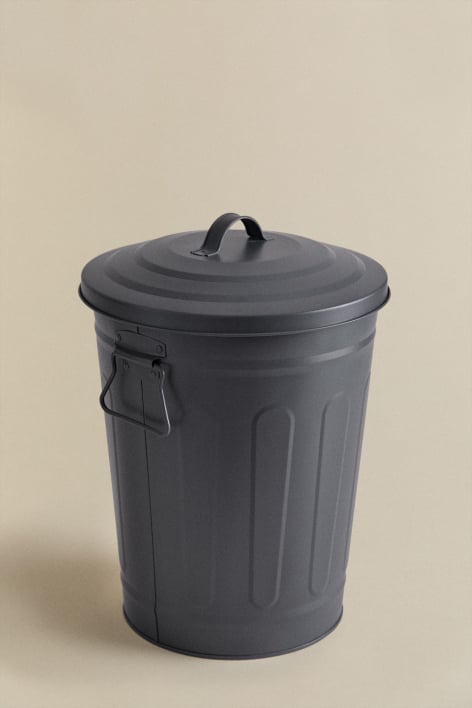
Waste management is an essential aspect of maintenance and hygiene in any inhabited space, including outdoor areas. Outdoor waste bins are specifically designed to withstand continuous exposure to the elements, combining structural robustness with an aesthetic that blends seamlessly into the landscape. Whether for a private terrace, garden, or pool area, these containers, made from materials such as galvanized steel, treated wood, or high-density plastics, guarantee a hygienic and discreet solution. Their strategic placement facilitates cleanup during social events and prevents waste accumulation, preserving the beauty and health of the surroundings.
16 products in Outdoor Trash Bins
Special Price
Limited Time Deal
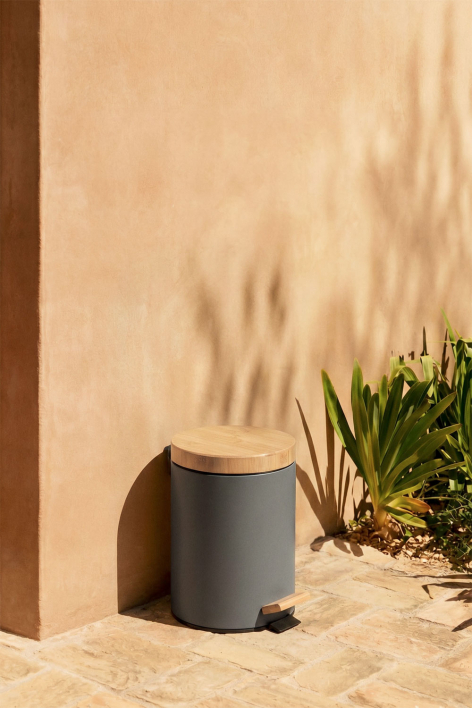
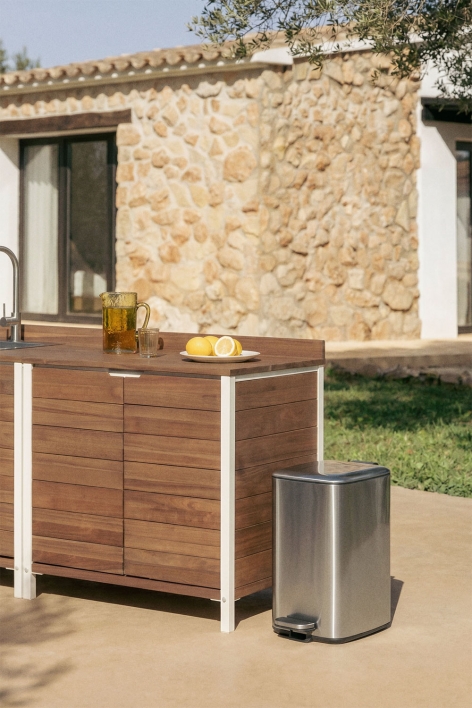
Special Price
Limited Time Deal
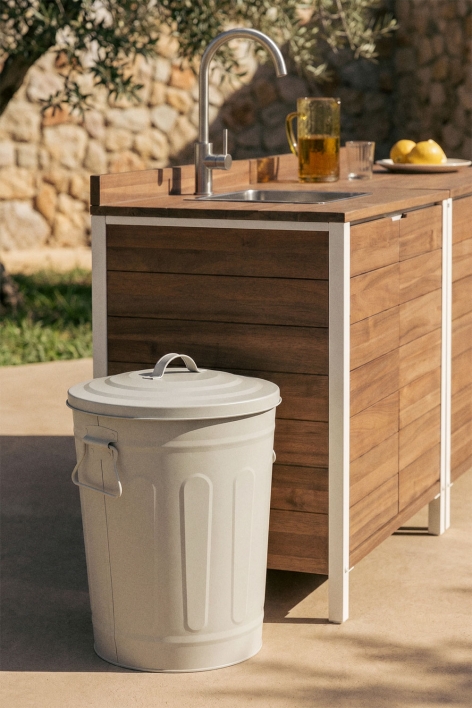
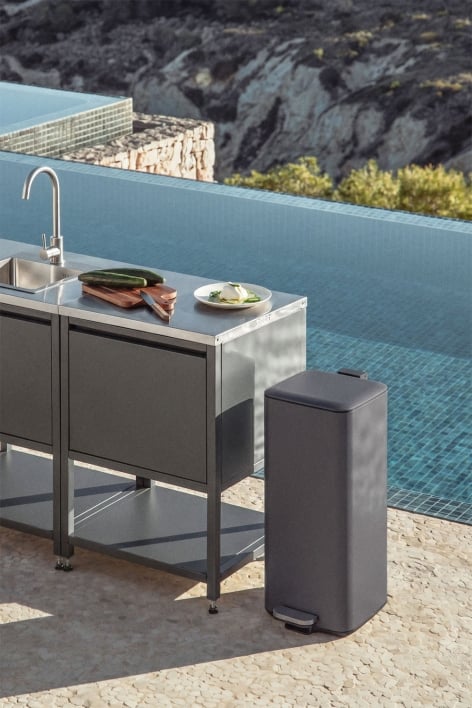
You have seen 16 products from 16
Hygiene and maintenance of the outdoor environment
A well-maintained outdoor space requires accessible and suitable waste collection points. Unlike indoor bins, garden models face additional challenges: moisture corrosion, sun fading, and potential animal intrusion. An effective outdoor bin should be more than just a container; it should be a secure and stable structure that prevents litter from being scattered by the wind. Integrating these elements into the garden design demonstrates careful planning, prioritizing functionality and cleanliness without sacrificing visual harmony.
Types of waste containers
| Container type | Technical specifications | Recommended use |
|---|---|---|
| Tilting waste bins | Rotating shaft that facilitates emptying without direct contact. | Barbecue areas or high traffic areas. |
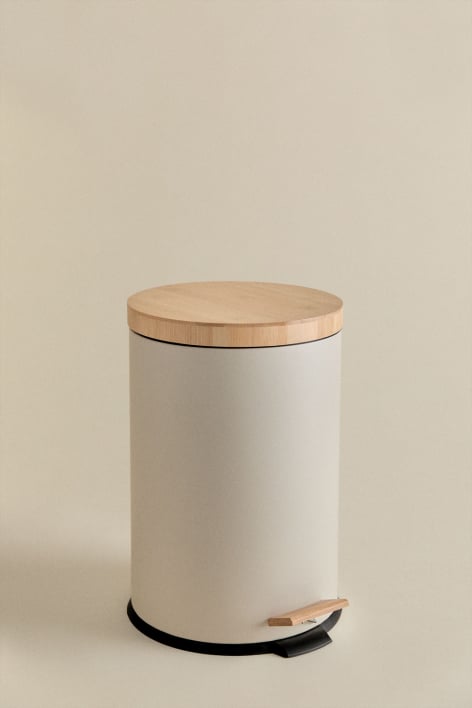
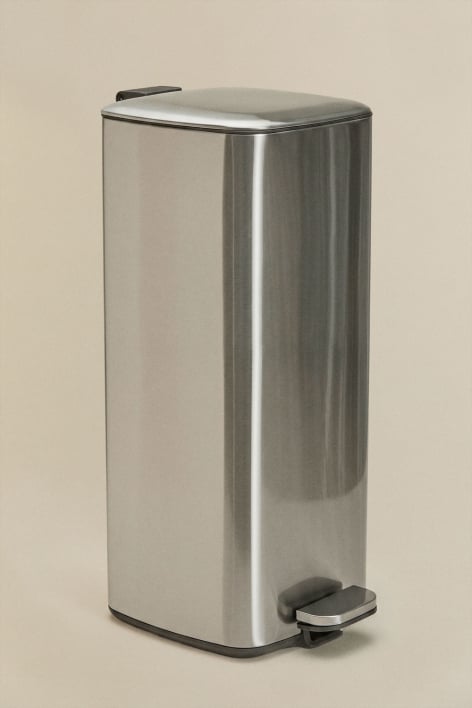
| Pedal bins | Hands-free opening, airtight lid to contain odors. | Dining terraces and proximity to outdoor kitchens. |
| Waste bins with ashtray | Independent fireproof upper container for cigarette butts. | Entrances, smoking areas and porches. |
| Selective recycling bins | Compartments differentiated by color or labels. | Waste separation in large gardens. |
Advantages of specific garden waste bins
- Climate resistance: Materials and paints prepared to resist oxidation, UV rays and sudden temperature changes.
- Pest control: Tight-fitting lids and locking systems prevent insects, rodents, or pets from accessing the contents.
- Wind stability: Ballasted bases or ground anchoring systems prevent the container from tipping over on windy days.
- Easy to clean: Smooth interiors or removable buckets that allow for quick washing with a hose and disinfectants.
Location and selection tips
The placement of waste bins should be strategic: visible and accessible, but without becoming the focal point. Corners near the house's exits, next to the barbecue area, or around the pool are key locations. If the bin will be in direct sunlight, avoid dark metals that can overheat and opt for light finishes or wood. For windy areas, it's essential to choose heavy-duty models (concrete, thick metal) or those that can be screwed directly into the pavement.
Frequently asked questions about outdoor waste bins
-
How to avoid bad smells in summer?
It's vital to choose models with lids and empty them daily if they contain organic waste. Washing the interior regularly with water and vinegar helps neutralize odors.
-
Do metal wastebaskets rust?
If they are made of high-quality stainless steel or galvanized steel, they shouldn't need it. However, in coastal areas, 316 stainless steel or engineering plastics are recommended to prevent salt corrosion.
-
Do they need specific bags?
They generally use standard trash bags, but check the capacity in liters. Many models include an inner ring to hold the bag in place so it's not visible from the outside.
-
What maintenance does the wood require?
Models clad in wood require an annual application of protective varnish or oil to maintain their color and water resistance.
Order and civility in the open air
Cleanliness is the foundation of visual comfort. Having the right waste management equipment transforms the garden into a more livable and welcoming space. A well-chosen outdoor waste bin performs its function quietly and efficiently, ensuring that the natural and architectural surroundings remain pristine for everyone to enjoy.