



Filters(0 Filters applied)
Wavy mirrors
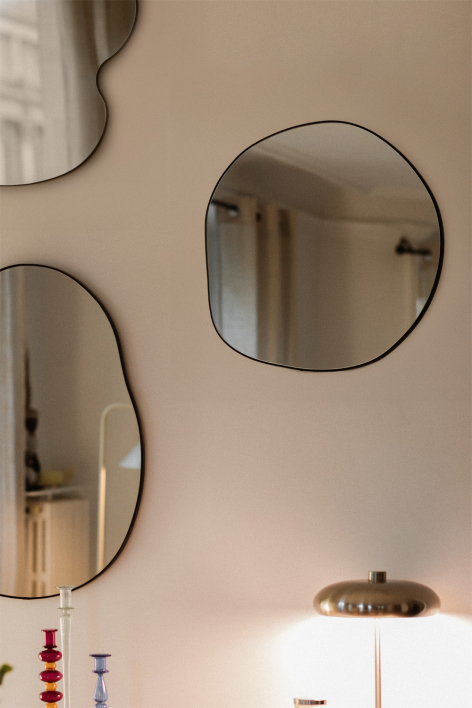
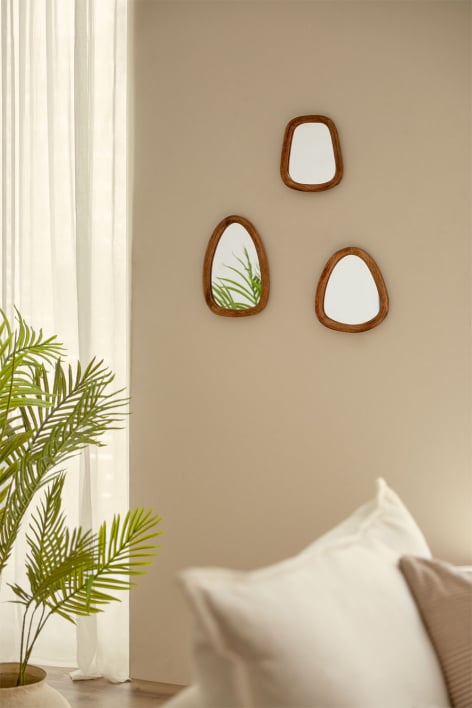
The integration of undulating mirrors into interior design represents a masterful break from traditional geometric rigidity. These pieces, characterized by their irregular silhouettes and fluid curves, act as organic windows that not only multiply natural light but also introduce undeniable visual dynamism to the architecture of the room.
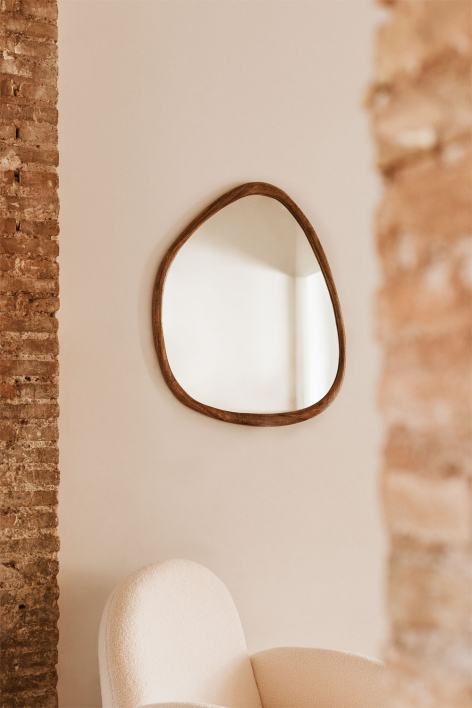
Opting for a mirror with a wavy or irregular shape softens the straight lines of conventional furniture. Whether frameless designs that highlight the purity of the glass, or pieces embellished with frames of fine woods, velvet, or natural stone, these mirrors stand as true works of art. They are the ideal choice for projects seeking a contemporary interior design, adding movement, a sense of spaciousness, and a distinctly avant-garde character to hallways, living rooms, or bedrooms.
13 products in Wavy mirrors
You have seen 13 products from 13
Wavy mirrors: Architectural fluidity and visual dynamism for your walls
In the landscape of contemporary interior design, undulating and irregularly shaped mirrors have transcended their purely reflective function to become sculptural installations. The abandonment of classic orthogonal forms (rectangles and squares) responds to the need to introduce organic aesthetics into the home. By reflecting the surroundings through sinuous curves, these pieces soften the harshness of straight walls and massive furniture. Mirrors with fluid contours act as light catalysts that challenge conventional perspective, creating optical illusions that expand the space and add a hypnotic visual rhythm, transforming any empty surface into the focal point of the room's design.
Types of wavy mirrors
| Guy | Technical Specifications | Design and Investment Opportunity |
|---|---|---|
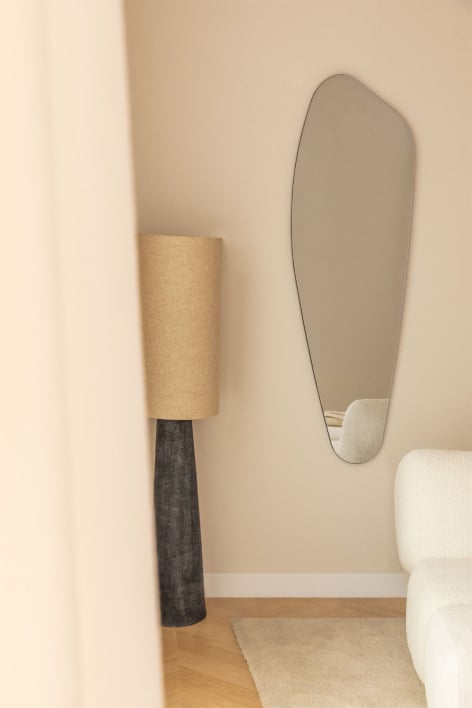
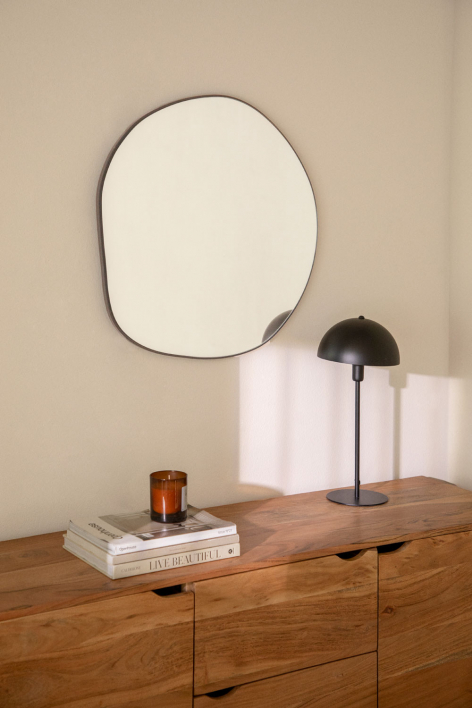
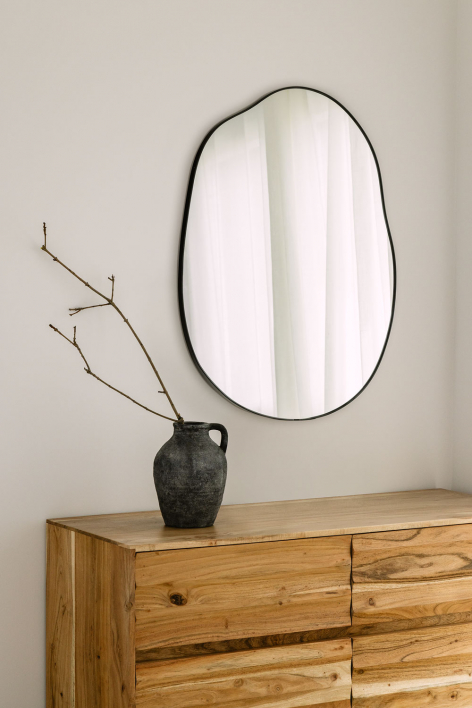
| Frameless wavy mirrors ("Naked" design) | Pure crystal with polished edges in asymmetrical or teardrop shapes, maximizing the reflective surface without perimeter visual cuts. | Ideal for minimalist or Nordic environments; they disappear into the wall, providing an absolute perceptual lightness and multiplying natural light. |
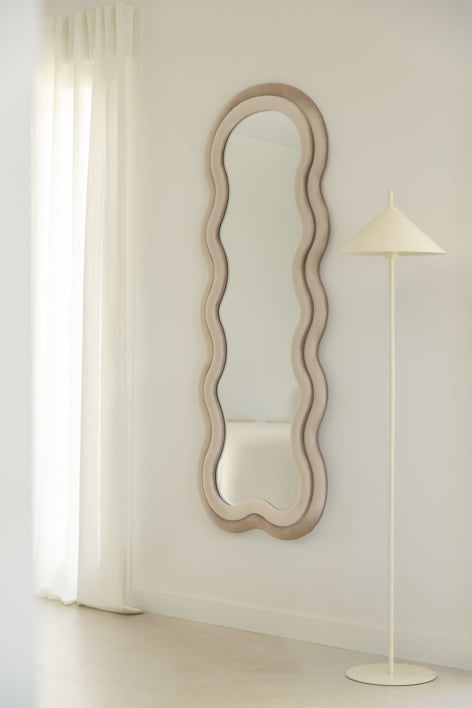
| Irregular mirrors with textured frames | Combination of fluid glass with upholstered or covered profiles in rich fabrics (such as velvet or sheepskin) that acoustically absorb sound. | The ultimate accent piece for cutting-edge bedrooms and dressing rooms, providing a luxurious and supremely inviting tactile contrast. |
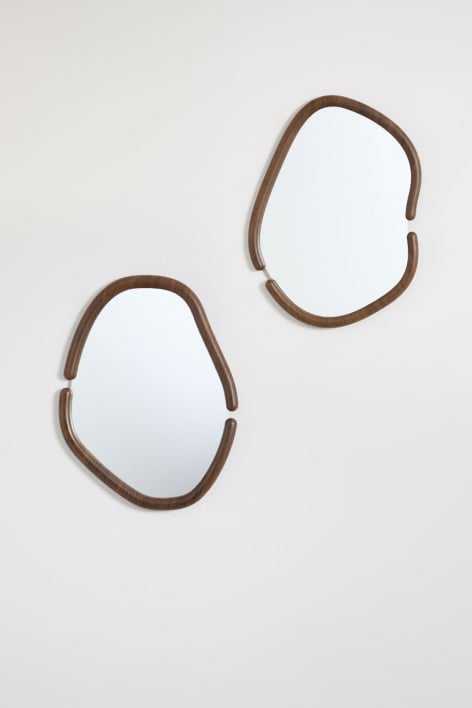
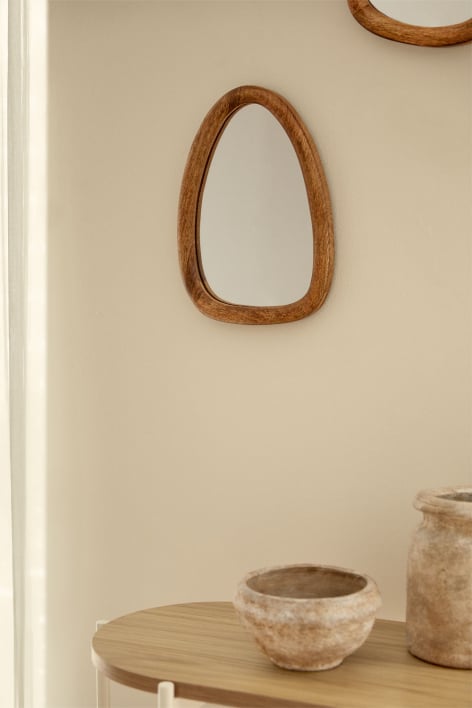
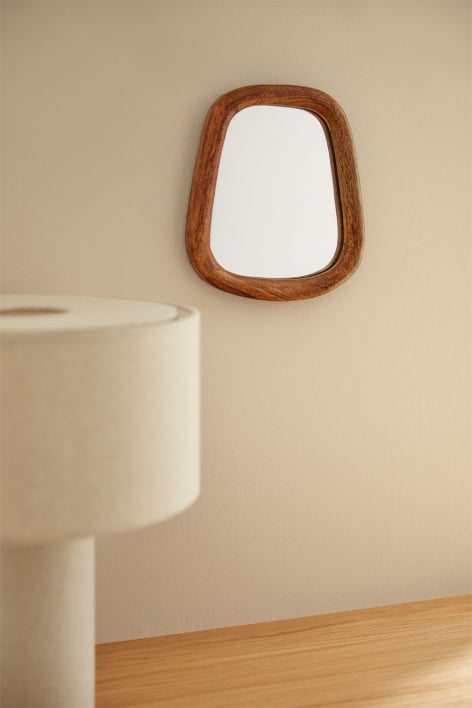
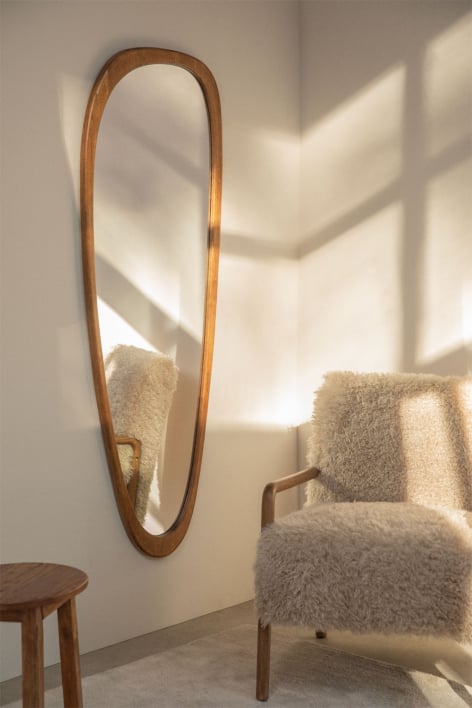
| Organic mirrors in fine woods or stone | Frames sculpted in mango wood, oak or marble that meticulously follow the sinuous and asymmetrical path of the reflective glass. | Perfect for Japandi or Mid-Century inspired spaces, where the solidity of nature frames and contrasts with the movement of the reflection. |
Advantages of irregular mirrors
- Breaking the orthogonal: They introduce gentle curves that counteract the geometric rigidity of rectilinear doors, windows and wardrobes, balancing the visual fluidity of the room.
- Dynamic spatial multiplier: Its asymmetrical shapes deceive the human eye, blurring the real limits of the wall and generating a much richer sense of three-dimensional spaciousness than a traditional mirror.
- Immediate sculptural impact: They function as mural artworks in their own right; they decorate, add texture and dress up the wall even when they do not reflect direct light, thanks to their designed silhouettes.
- Compositional flexibility: Its lack of symmetry allows grouping several wavy mirrors of different sizes, creating organic "gallery" type compositions without the requirement of millimeter alignment.
Tips for choosing wavy mirrors
The placement of an irregularly shaped mirror should be strategic to maximize its architectural impact. If you're placing it in a narrow entryway, opt for an elongated, vertical format to visually raise the ceiling height and guide the eye. In a living room or above a dark sideboard, choose horizontal asymmetry to lighten the furniture's visual weight. It's crucial to consider what the mirror will reflect: position it opposite a window to double the amount of natural light or opposite a sculptural lamp to enhance the nighttime illumination. If you choose designs with visually striking or textured frames, keep the surrounding wall as clear as possible so the mirror can breathe and assume its role as the undisputed focal point.
Frequently asked questions about wavy mirrors
-
How do you hang an irregularly shaped mirror correctly?
Due to its asymmetry, the center of gravity may vary. Always use the pre-installed hardware on the back of the mirror, leveling the anchor points with a spirit level. On plasterboard walls, use metal expansion anchors appropriate for the total weight of the piece.
-
In which rooms of the house does a wavy mirror look best?
Although highly versatile, they shine especially in transitional areas such as entryways and hallways, where visual movement expands the space. They are also masterful as vanity mirrors in designer bedrooms or on consoles in the living room.
-
How to clean textured frames made of sherpa or velvet?
The glass should be cleaned with a microfiber cloth and glass cleaner, always avoiding dripping the liquid onto the frame. For fabric frames, use a lint roller or the soft brush attachment of your vacuum cleaner on a very low setting weekly to prevent dust buildup.
Design, quality and experience
Redefining the visual boundaries of our home requires elements that challenge the conventional. Integrating reflective surfaces with fluid, organic contours demonstrates spatial intelligence and aesthetic maturity. These pieces not only reflect our image but also capture light and movement, transforming inert walls into vibrant, dynamic canvases that elevate the interior architecture of our home.
Discover how to bring rhythm, spaciousness and light to your spaces by exploring Sklum's collections, where cutting-edge design and material quality converge to create truly inspiring environments.