


Filters(0 Filters applied)
Pilates
Pilates combines strength, mobility, and body control exercises through movements that require precision and coordination. Having a dedicated space for Pilates allows you to incorporate this discipline into your daily routine, using everything from Reformer machines to compact accessories that help adapt the exercises to different experience levels.
Discover our selection of Pilates equipment for home use , including folding machines, rings, balls, resistance bands, and mats. Explore solutions that combine functionality, ergonomics, and materials like wood, aluminum, and padded surfaces to create an integrated workout area in your home.
13 products in Pilates
You have seen 13 products from 13
Design and movement for practicing Pilates at home
Pilates is a fitness discipline that combines strength, mobility, coordination, and postural control through mindful exercises. Its practice is based on precise movement, breathing, and muscle activation, aspects that allow for sessions adapted to different experience levels. Integrating this activity into the home environment requires having a suitable space and selecting equipment that promotes comfort, stability, and the correct execution of each exercise.
The evolution of Pilates equipment for home use has allowed for a combination of athletic functionality with a design that is increasingly integrated into contemporary interiors. Reformer machines with aluminum or rubberwood frames, faux leather upholstered surfaces, and compact accessories offer a variety of possibilities for configuring a workout area. From a floor exercise mat to a foldable Reformer, each element responds to specific needs in terms of movement, resistance, and space utilization, without sacrificing a refined aesthetic.
Types of Pilates equipment for home use
Pilates can be practiced using floor exercises or specialized equipment. Reformer machines incorporate resistance and movement mechanisms, while accessories allow for new possibilities in support, mobility, and muscle work. The choice depends on personal goals, experience, and the characteristics of the available space.
| Type of equipment | Technical specifications | Design and use opportunity |
|---|---|---|
| Foldable Pilates Reformer Machines | Equipment with aluminum or rubberwood frames and contact surfaces upholstered in faux leather. They incorporate folding mechanisms and resistance systems that must be checked according to the specifications of each model. | They allow you to perform Pilates exercises with resistance and controlled movement. Their foldable designs make it easy to rearrange the space when the session is over. |
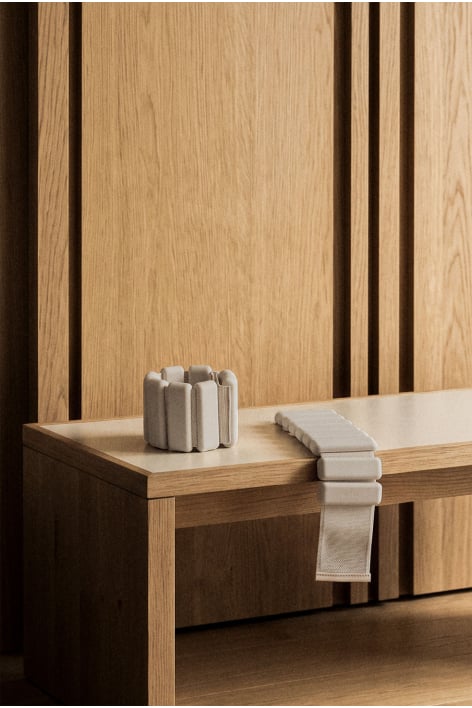
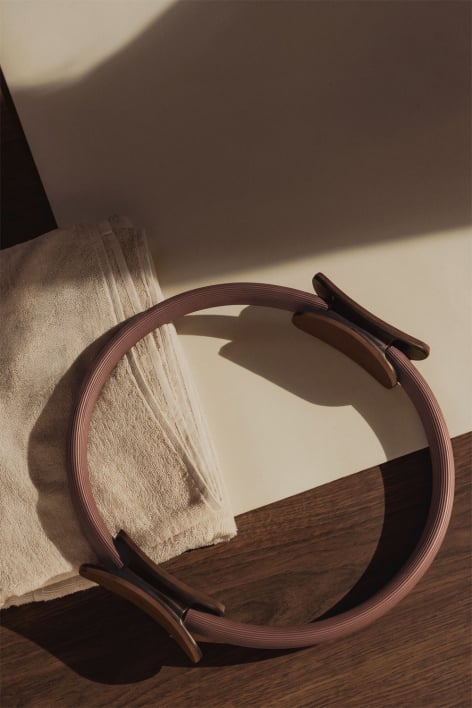
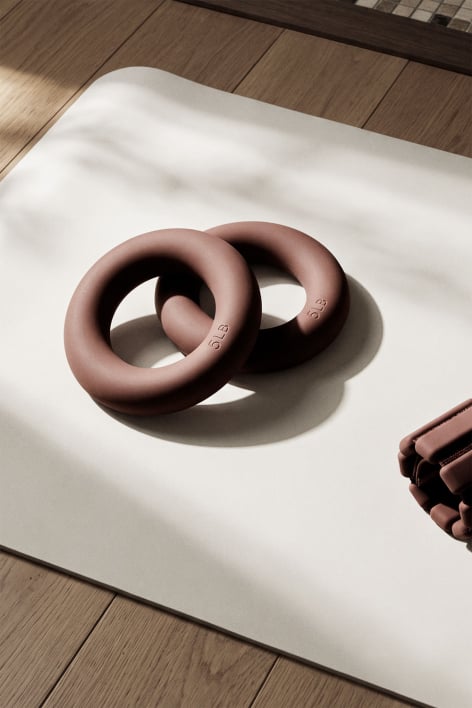
| Pilates rings | Circular-shaped accessories. The collection includes a polypropylene and EVA foam hoop and a 2.5 kg weighted silicone alternative, with applications that depend on their design. | Resistance bands allow for the incorporation of compression and muscle activation exercises. Weighted versions offer additional possibilities for resistance training, depending on their intended use. |
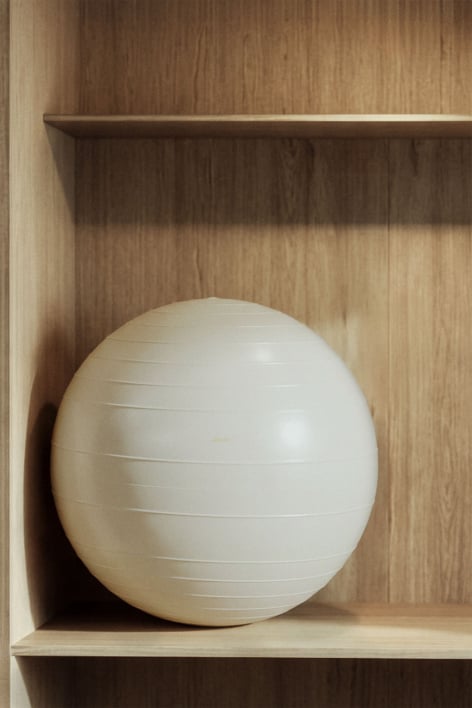
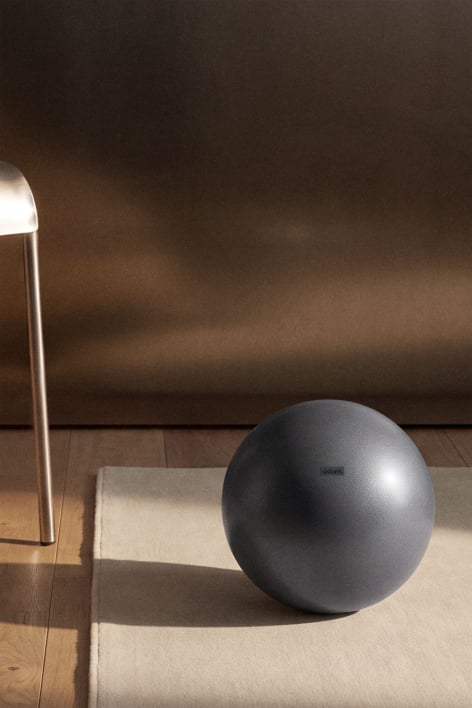
| Pilates balls and fitballs | Spherical accessories available in different diameters, including a 25cm soft ball and a 65cm fitball. | They allow for the incorporation of support, coordination, and stability exercises. Their size determines the positions and movements for which they are suitable. |
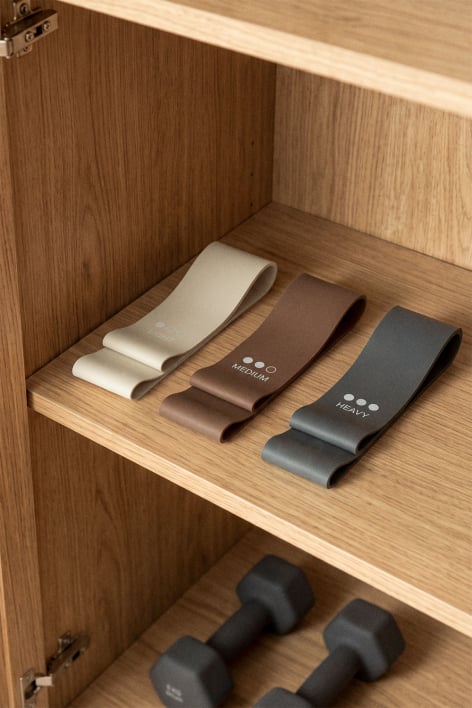
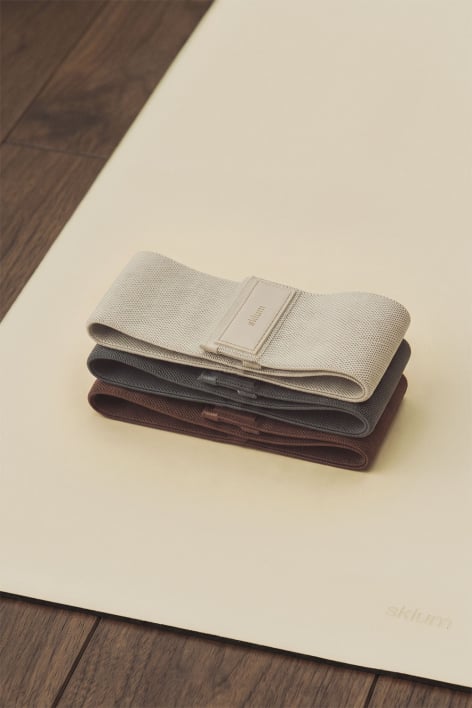
| Elastic resistance bands | Flexible accessories available in sets of three units, made of latex or combinations of polyester and latex. | They allow you to add variable resistance to specific strength, mobility, and muscle activation exercises. They take up little space and are easy to incorporate into different routines. |
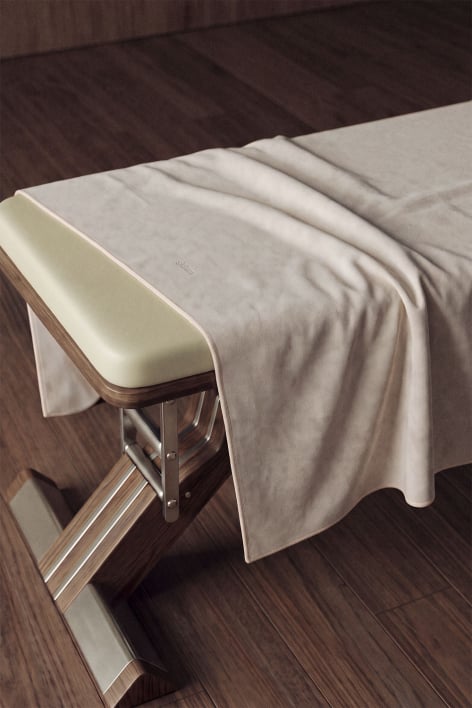
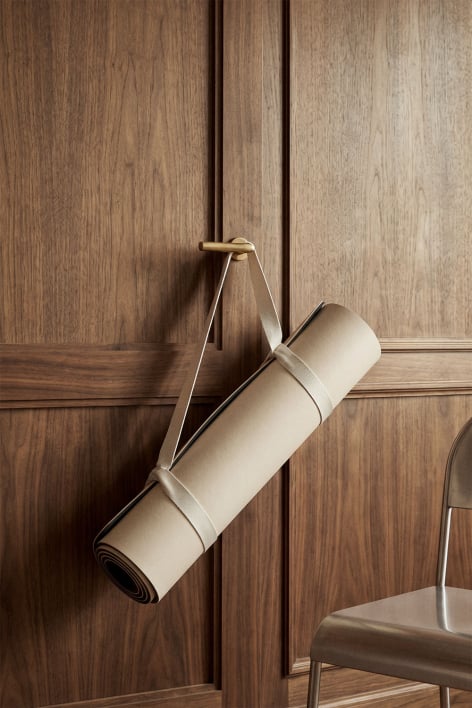
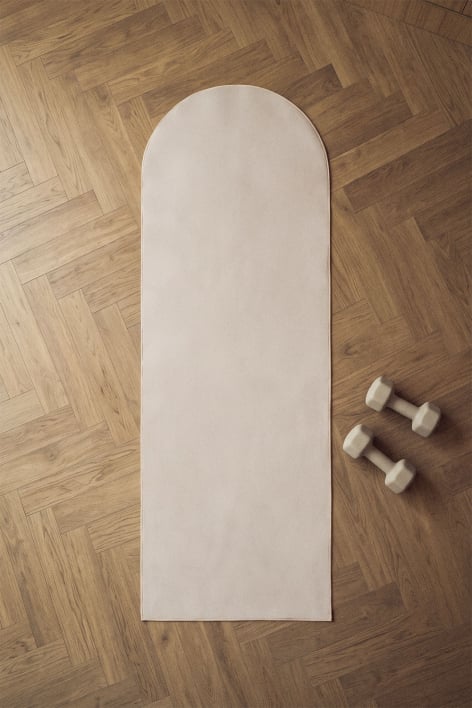
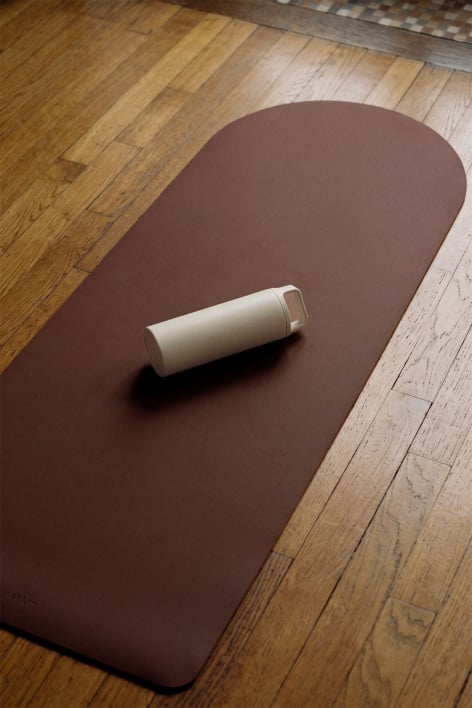
| Training mats | Non-slip surfaces in rectangular or semi-circular format, with velvet and faux leather designs and dimensions of 180 cm in length in the available references. | They provide a contact surface for floor exercises. Their geometry and dimensions allow you to choose an option adapted to the layout of the room. |
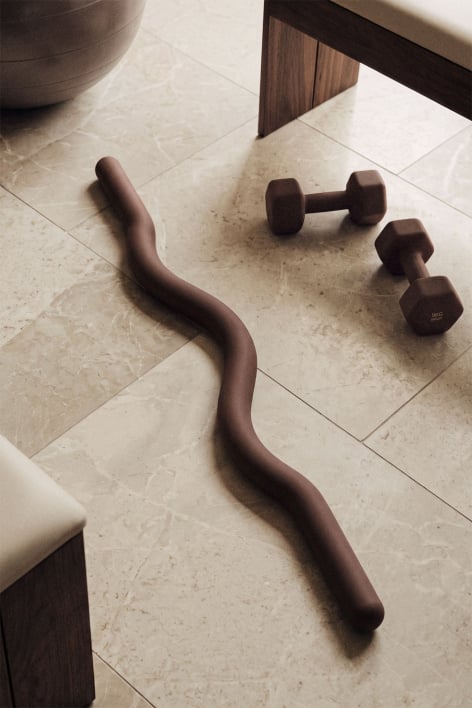
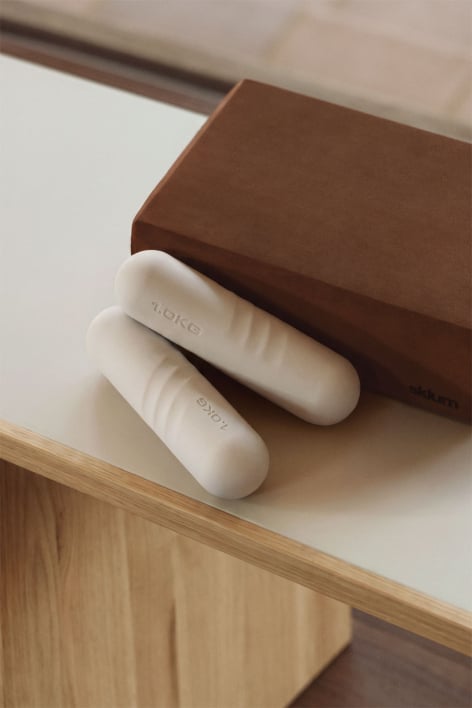
| Weights and resistance accessories | They include 1kg Pilates dumbbells, a 7.5kg weight bar with a non-slip surface, and adjustable ankle and wrist weights. | They allow certain exercises to be supplemented with external resistance, provided that the load and its use are appropriate for the technique and training level. |
Advantages of incorporating Pilates equipment at home
- Adaptation to different modalities: the combination of Reformer machines and accessories allows you to organize floor exercises, resistance sessions and mobility routines, selecting the most suitable equipment for each practice.
- Space optimization: foldable reformers allow you to reduce the space occupied when not in use, while bands, hoops and other compact accessories can be stored without needing a dedicated sports room.
- Variety of muscle stimuli: balls, hoops and bands allow modification of the support or resistance conditions of certain exercises, expanding the possibilities of muscle work and coordination.
- Aesthetic integration: wooden structures, metal finishes and upholstered surfaces allow you to select equipment that maintains a coherent visual relationship with the materials and colors of the home.
- Organization of practice: having a prepared space and the necessary accessories makes it easier to organize sessions, keep materials accessible and adapt routines to different objectives.
How to choose the right Pilates equipment
Choosing Pilates equipment should begin with the type of practice you want to do. For floor exercises, a suitable mat provides a basic surface onto which accessories such as balls, rings, and resistance bands can be added. Those looking to develop Pilates Reformer sessions, on the other hand, need a specific machine that allows them to work using its resistance and movement system. Both approaches offer different possibilities and don't necessarily require the same space or experience.
If you're considering a foldable Pilates Reformer , check its dimensions both when unfolded and folded, the platform's range of motion, its adjustability, and the assembly and maintenance requirements. It's also essential to verify the maximum weight capacity and the functionality of the safety mechanisms. The choice between an aluminum or rubberwood frame may reflect aesthetic and functional preferences, but the specific features should be evaluated according to each model's technical specifications.
For accessories, pay attention to the dimensions and the material's properties. A small-diameter soft ball doesn't serve the same purpose as a larger exercise ball, just as a resistance ring shouldn't be confused with a weighted ring. For resistance bands, check the resistance level and usage recommendations. If you add dumbbells, barbells, or adjustable weights, select loads that are appropriate for the movements you'll be performing and your previous experience.
The layout of the space also influences the comfort of your sessions. A home Pilates area should have a stable surface, sufficient freedom of movement, and a location that allows you to use the equipment without interference from other furniture. In shared spaces, foldable designs and easy-to-store accessories help maintain a balance between physical activity and the room's everyday uses.
Pilates Reformer and Floor Pilates: Different Ways to Train
Floor Pilates, also known as Mat Pilates, is primarily performed on a mat and uses the body as a reference point for controlling posture, breathing, and exercise execution. Balls, rings, and resistance bands can be incorporated to modify resistance, support, or coordination, provided the exercise is adapted to individual abilities.
The Pilates Reformer , on the other hand, uses a machine with a moving platform and a resistance system that allows for exercises in different positions. Its operation requires knowledge of the equipment's settings and the technique for each movement. Therefore, those without experience with this type of machine should begin with professional guidance before using it independently.
Both modalities can be part of a training plan, but they are not interchangeable in all exercises. The selection should be based on personal goals, experience level, and available equipment, always prioritizing movement precision and resistance control.
Frequently Asked Questions about Pilates at Home
-
What equipment do I need to start practicing Pilates at home?
To begin floor exercises, a suitable mat and enough space to move comfortably may be sufficient. Later, balls, hoops, or resistance bands can be incorporated depending on the needs of each routine. Reformer machines require specific training on how to use them.
-
What is the difference between Pilates Reformer and floor Pilates?
Mat Pilates is practiced primarily on a mat and uses body weight and, occasionally, small props. Reformer Pilates uses a machine with a moving platform and resistance mechanisms that allow for exercises with different characteristics.
-
What are the advantages of a foldable Pilates Reformer?
Its main advantage for home use is the ability to reduce the space it occupies when training is over. Before choosing one, it's advisable to check the folded dimensions, the folding procedure, and the storage conditions indicated by the manufacturer.
-
What are the Pilates hoop and ball used for?
Resistance rings allow for the incorporation of compression and muscle activation exercises, while balls can be used to modify support, introduce stability demands, or facilitate specific movements. Their specific applications depend on the shape, dimensions, and technique of the exercise.
-
How should Pilates equipment be cleaned and maintained?
Maintenance depends on the materials used in each product. Upholstered surfaces, mats, and accessories should be cleaned according to the manufacturer's instructions, avoiding abrasive products that are incompatible with their finishes. For Reformer machines, it is also important to periodically check the moving parts and heating systems according to the model's specifications.
Design, quality and movement experience
Setting up a Pilates space at home involves selecting equipment that meets the training needs while maintaining a balanced relationship with the surroundings. The presence of Reformer machines with wooden or aluminum frames, combined with mats and compact accessories, allows for the creation of a fitness area where functionality and design complement each other. Proper equipment placement promotes freedom of movement and makes it easier to keep things tidy after each session.
From body control exercises on a mat to resistance sessions on a Reformer machine, Sklum Pilates equipment offers a variety of options to adapt your practice to your space and experience level. Discover the available configurations and create a training environment where ergonomics, precision of movement, and contemporary aesthetics come together seamlessly.