


Filters(0 Filters applied)
Yoga
Yoga combines movement, breath, and body awareness through a practice that can be adapted to different levels of experience. Having a suitable space and accessories that provide support and stability allows you to perform the poses more comfortably. Non-slip mats and yoga blocks are especially useful for setting up a practice area at home.
Discover our selection of yoga equipment for home , including mats in various shapes, EVA foam blocks, and accessories to complement your sessions. Explore designs that combine functionality, supportive surfaces, and refined finishes to integrate yoga practice into your daily routine and home environment.
20 products in Yoga
You have seen 20 products from 20
Design and balance for practicing yoga at home
The practice of yoga fosters a conscious connection between movement, breath, and body awareness, integrating exercises for mobility, balance, and postural control. Incorporating this discipline into daily life requires an environment that promotes concentration and allows for comfortable postures. Beyond simply having a clear surface, choosing the right equipment helps create a functional space where each element provides support, stability, and freedom of movement.
Contemporary yoga equipment design has expanded the possibilities for integrating these accessories into the home. Mats with non-slip surfaces, EVA foam blocks, and compact accessories allow you to create a practice area that adapts to different rooms. The variety of shapes, textures, and finishes makes it easy to select pieces that combine utility and aesthetics, from rectangular surfaces to semicircular designs that bring a distinctive geometry to the training space.
Types of yoga accessories for the home
The choice of equipment depends on the type of exercise, experience, and individual needs. Mats form the primary work surface, while blocks provide additional support. Other accessories can complement specific mobility and conditioning routines.
| Type of equipment | Technical specifications | Design and use opportunity |
|---|---|---|
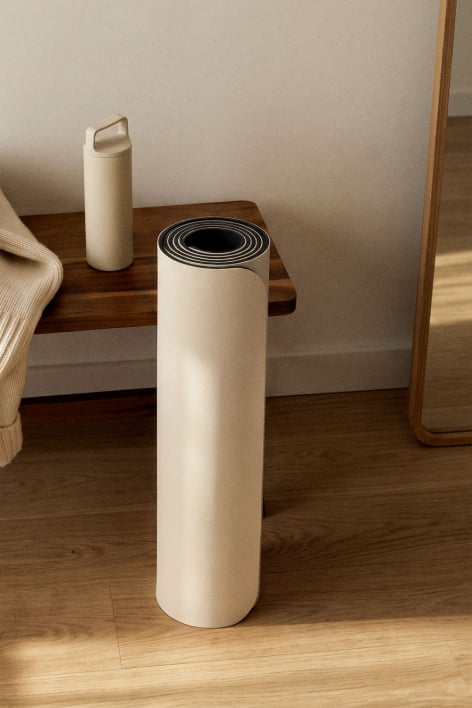
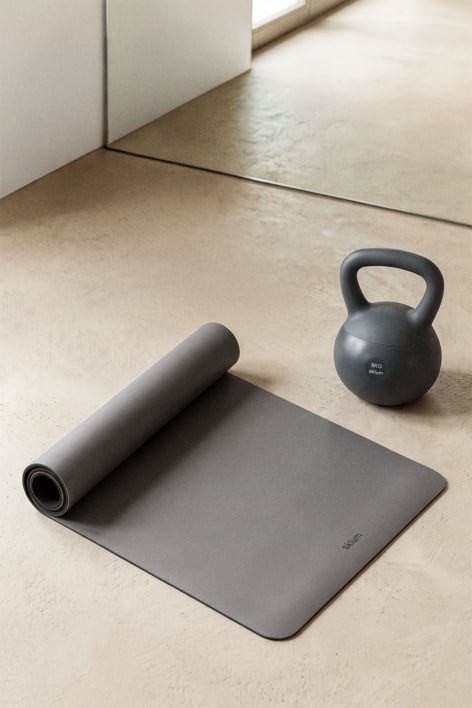
| Rectangular yoga mats | Non-slip rectangular surfaces. The collection includes 180x60 cm designs with a velvet finish. | They provide a defined area for standing postures, floor exercises, and transition movements. Their geometry makes it easy to distribute the practice space lengthwise. |
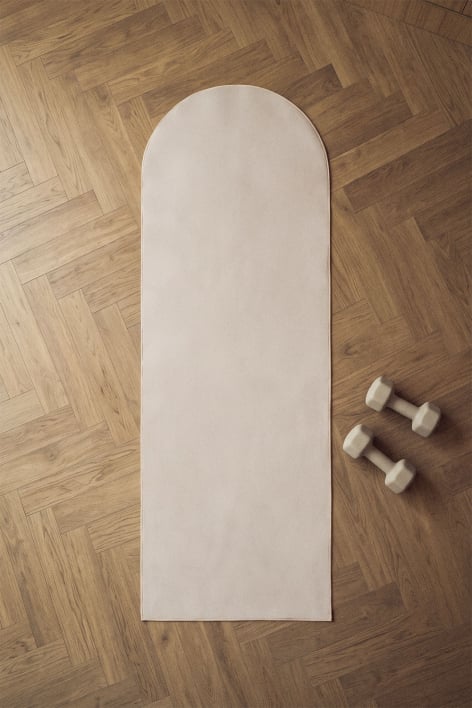
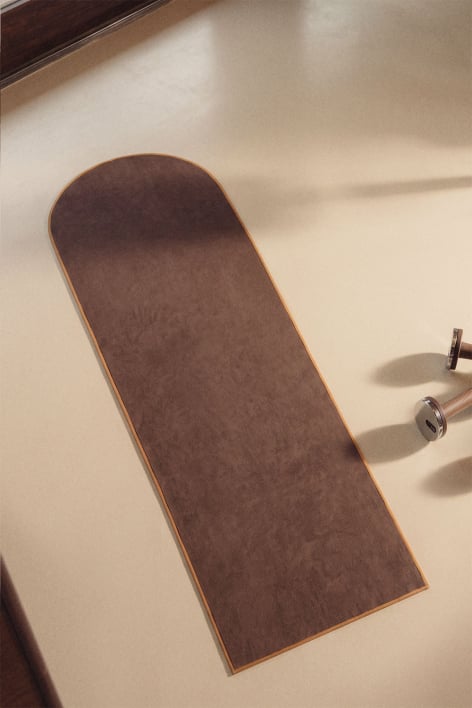
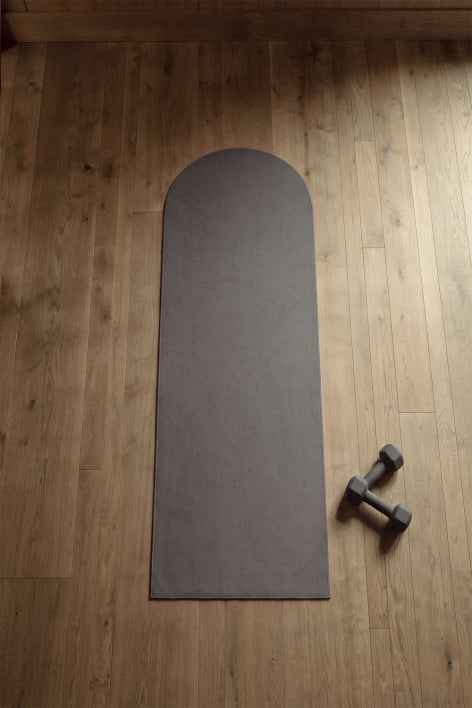
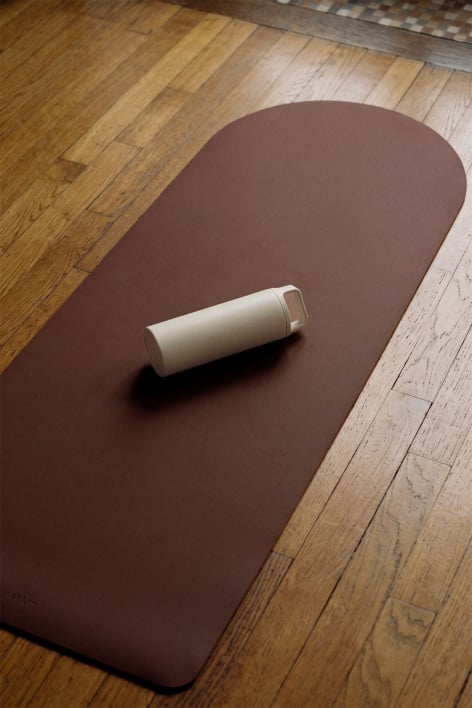
| Semicircular yoga mats | Non-slip designs, 180 cm long and in various widths, including 60 and 70 cm. Available in velvet and faux leather finishes. | They offer an aesthetically pleasing alternative to rectangular mats. Their distinctive shape allows you to create a practice area with a more unique visual presence. |
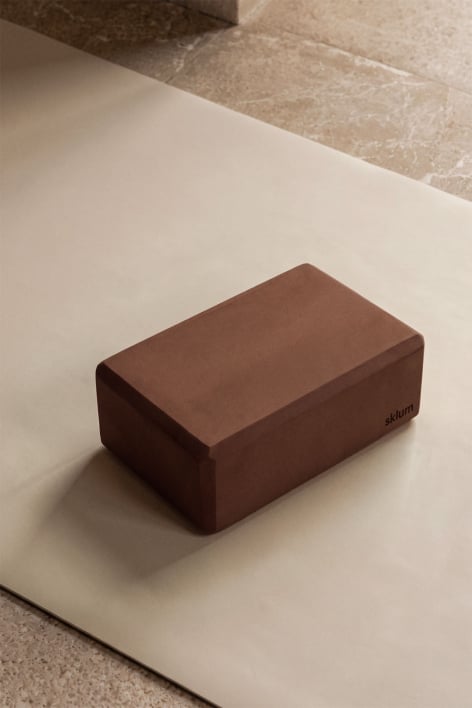
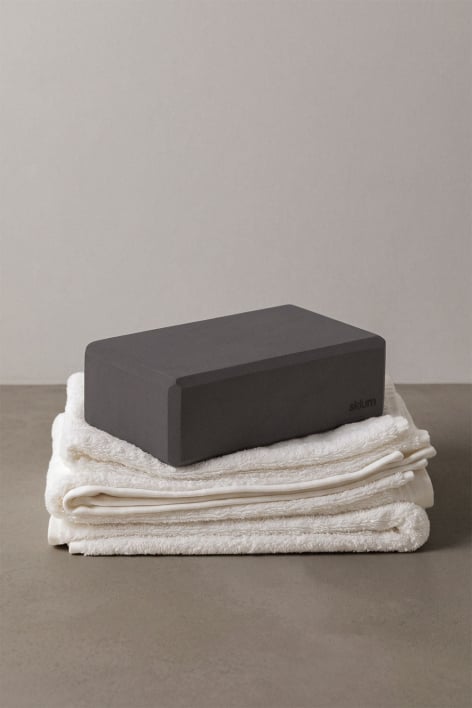
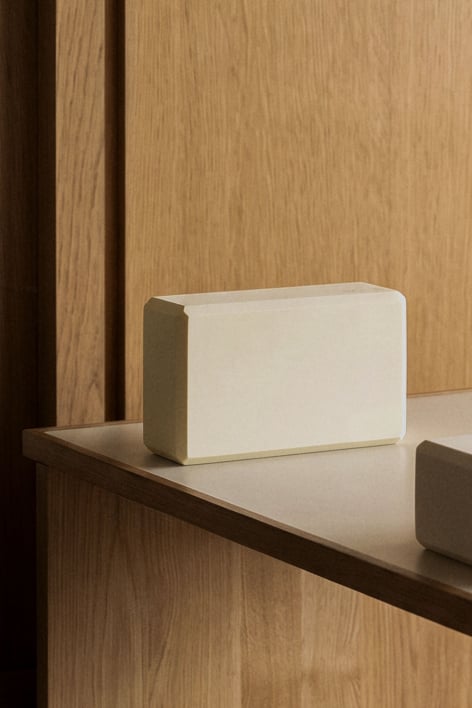
| Yoga blocks | Compact accessories made of EVA rubber, designed to provide an additional support surface during certain exercises. | They allow you to modify the height of the support points and adapt certain postures to individual mobility and needs, promoting a more controlled execution. |
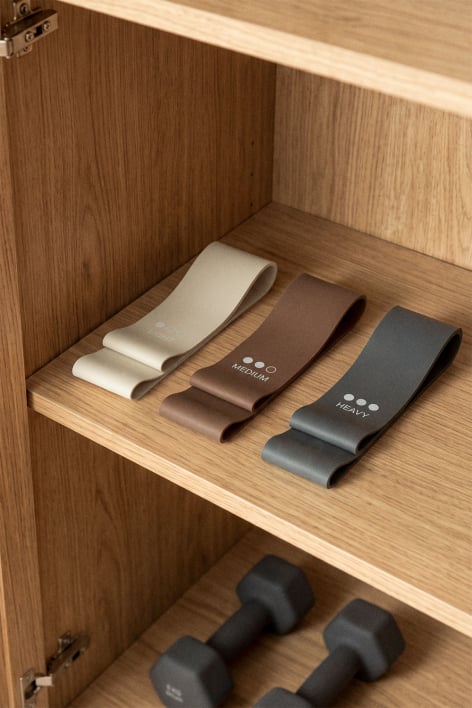
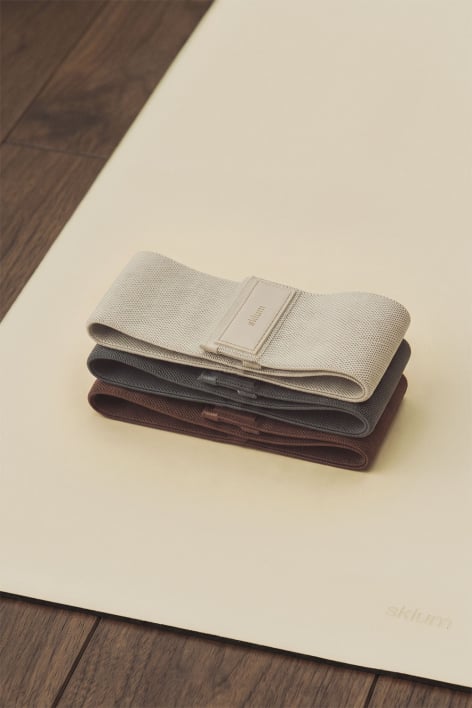
| Elastic resistance bands | Flexible accessories available in sets of three units, made of latex or combinations of polyester and latex. | They can complement mobility and muscle strengthening sessions. Their compact format makes them easy to use in fitness routines associated with exercise. |
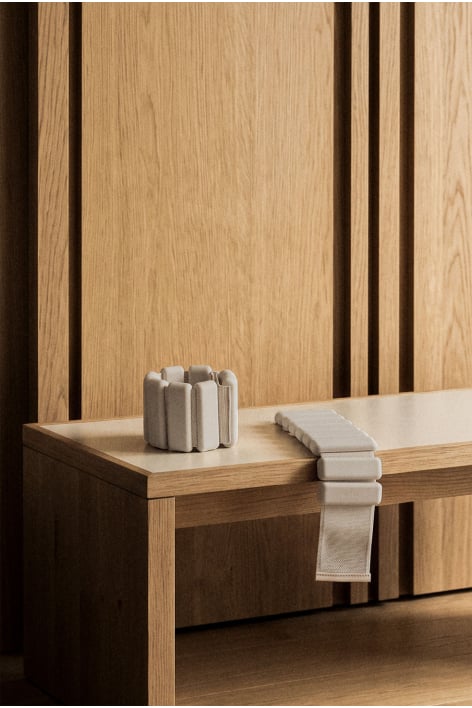
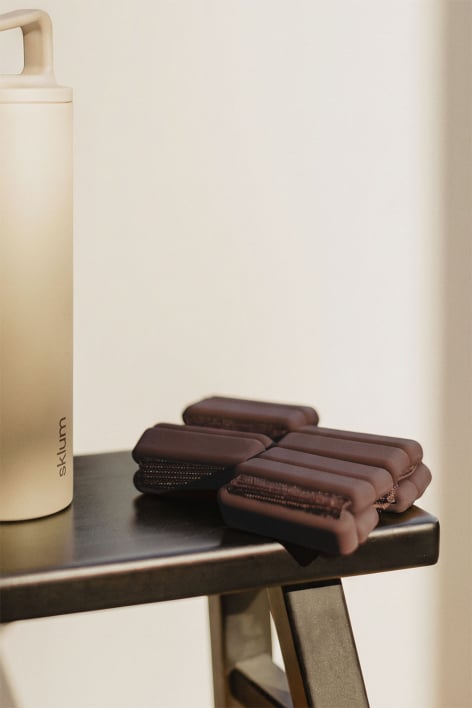
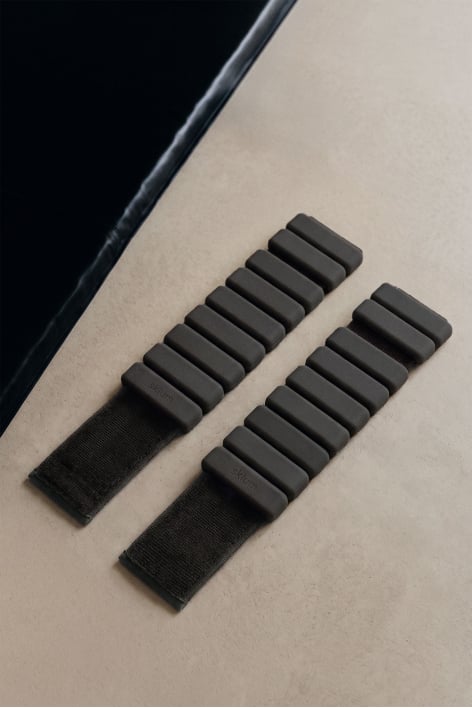
| Adjustable ankle and wrist weights | External resistance accessories made of silicone, designed to be placed on the limbs according to the product instructions. | They allow for the introduction of additional loads into certain conditioning exercises. They are not necessary for general yoga practice and should only be used when the technique allows it. |
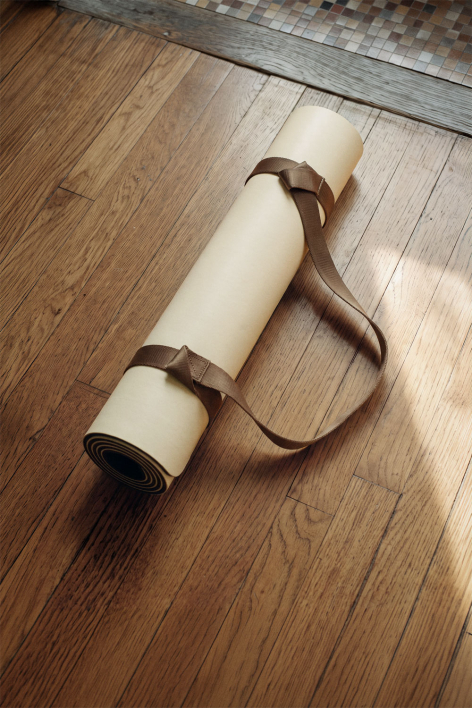
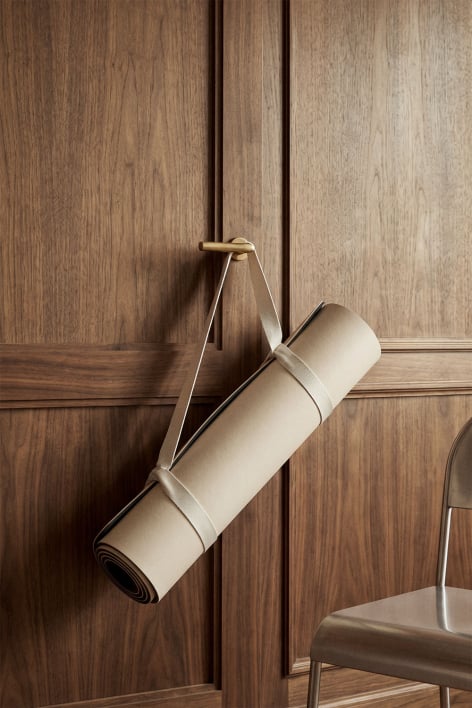
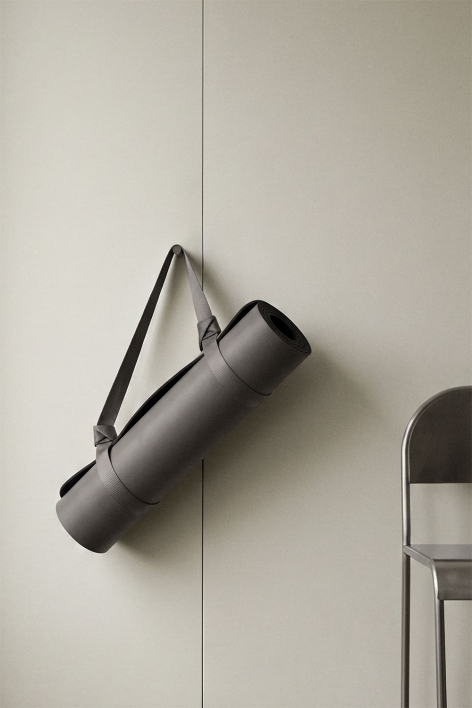
| Carrying straps for sleeping mats | Accessories designed to hold and transport mats, whose compatibility depends on the dimensions and format of each model. | They make it easier to move the equipment and keep it tidy after each session, especially when the space is shared with other domestic activities. |
Advantages of incorporating yoga accessories into your routine
- Greater comfort during practice: having a suitable mat provides a defined surface for performing postures and transition movements, reducing direct contact with the pavement.
- Adapting postures: Yoga blocks allow you to modify the height of certain supports and adjust the exercises to the mobility characteristics of each person, without needing to force positions that are not yet mastered.
- Optimization of available space: compact mats and accessories allow you to organize a practice area without installing permanent structures, making it easy to return the room to its usual use afterward.
- Functional versatility: the combination of support surfaces and complementary accessories allows for the development of mobility, balance and physical conditioning sessions adapted to different objectives.
- Aesthetic integration: the different geometries and finishes allow you to select accessories that maintain a coherent visual relationship with the furniture, textiles and color palette of the home.
How to choose the right yoga equipment
Choosing a yoga mat should begin with its dimensions and the characteristics of its contact surface. It's important to have sufficient length and width to perform the intended movements without constantly moving out of the designated area. Rectangular mats offer a conventional shape, while semicircular mats incorporate a distinctive form that can be interesting from a design perspective. In both cases, it's advisable to check the thickness, the anti-slip properties, and the usage recommendations for each model.
The materials also influence the practice experience. Surfaces with velvet and faux leather finishes have different contact characteristics, so it's advisable to consult the manufacturer's specifications before choosing a mat. Grip can vary depending on usage conditions, the type of exercise, and the presence of moisture. To maintain the product's properties, the corresponding cleaning and care instructions must be followed.
Yoga blocks are especially useful when you need to elevate a support point or adapt certain poses. EVA foam allows for the manufacture of compact and relatively lightweight accessories, although their stability and behavior under load depend on the specific characteristics of the product. Before using them, check that they are placed on a firm surface and that the chosen position is appropriate for the exercise.
Finally, consider the organization of the space. To practice yoga at home , it's best to have a clear area with enough room to extend your arms and legs without obstruction. If the room is also used as a living room, bedroom, or study, easy-to-store accessories and carrying straps can help keep things tidy. A simple layout, with the necessary equipment within easy reach, allows you to prepare for your session without introducing unnecessary elements into the environment.
Yoga at home: balance between movement and space
Practicing yoga at home allows you to adapt your sessions to the characteristics of each room and your personal preferences. A properly positioned mat provides a spatial reference for performing standing poses, floor exercises, and transitional movements. When you need to adjust the height of a support, blocks can facilitate certain positions, provided they are used according to the corresponding technique.
The choice of equipment can also vary depending on the type of session. Practices focused on mobility and holding specific postures require special attention to the comfort of the supports. In sequences with frequent transitions, the stability of the surface and the free space around the mat become more important. Resistance accessories can be used in complementary exercises, although they are not an essential part of all yoga styles.
Beyond the quantity of available equipment, setting up a functional space involves selecting only the items that are useful for your practice. A suitable mat, one or more blocks when needed, and a simple storage system can be enough to organize regular sessions without permanently altering the layout of your home.
Frequently asked questions about yoga at home
-
What equipment do I need to start practicing yoga at home?
To get started, a suitable mat and a clear area are usually all you need. Yoga blocks can help adapt certain poses when you need extra support. Other accessories are optional and depend on the type of practice and your individual experience.
-
What are yoga blocks used for?
Blocks allow you to adjust the height of your supports in certain positions. They can be used to bring the floor closer to your hands or provide an additional contact surface, as long as they are stable and the exercise is performed with proper technique.
-
What is the difference between a rectangular mat and a semicircular mat?
The main difference is their shape. Rectangular mats have a conventional shape, while semicircular ones have a curved end. To choose between the two, it's advisable to compare the usable dimensions, thickness, material, and anti-slip properties, as well as aesthetic preferences.
-
Are resistance bands and weights necessary for yoga?
Resistance bands are not essential for general yoga practice. They can complement certain mobility or strengthening exercises, while weights add external resistance to specific routines. Their use should be for a specific purpose and should not compromise control of the postures.
-
How should yoga mats be cleaned and stored?
Cleaning depends on the material and finish of each mat. It's advisable to follow the manufacturer's instructions and avoid abrasive products that could damage the surface. Before storing it, make sure it's dry and use a transport or storage system compatible with its size.
Design, quality and user experience
Creating a home yoga space demonstrates that fitness equipment can be seamlessly integrated into the home through simple and carefully selected solutions. Yoga mats in various shapes, support blocks, and compact accessories allow you to configure a practice area that meets the demands of movement without compromising an aesthetic that complements the rest of the room. Choosing the right materials and finishes contributes to creating an organized, comfortable, and functional environment.
From your first sessions to your most regular practice, Sklum's yoga equipment offers a variety of ways to adapt your space to each routine. Explore the available mats, blocks, and accessories and create an environment where freedom of movement, attention to detail, and contemporary design come together in a single experience.