

Filters(0 Filters applied)
Outdoor Privacy Screens
Privacy is a fundamental asset in any outdoor space, especially in urban or densely populated residential areas. Outdoor screens act as lightweight architectural elements, allowing for the instant and flexible zoning of patios, balconies, and gardens. These portable structures not only block prying eyes but also offer protection from light breezes and filter direct sunlight. Made from technical materials such as treated wood, synthetic fibers, or corrosion-resistant metals, they combine weather resistance with decorative designs that enhance the aesthetics of the surroundings.
5 products in Outdoor Privacy Screens
Special Price
Not waterproof
You have seen 5 products from 5
Flexible zoning and visual comfort
Defining outdoor spaces doesn't necessarily require building walls or installing fixed fences. Movable dividers offer a dynamic solution for reconfiguring space according to your needs. Whether it's to conceal a service area, create a sheltered reading nook, or simply add a layer of visual texture to the landscape, screens are versatile design tools. Their structure allows air to circulate, preventing the "sail effect," and their non-invasive installation makes them the ideal choice for rental properties or spaces where reversibility is desired.
Types of garden dividers
| Material and design | Technical specifications | Recommended app |
|---|---|---|
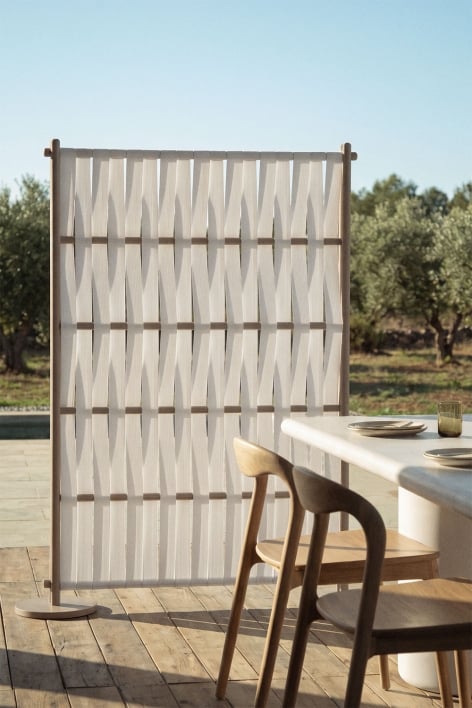
| Screens made of treated wood | Warm and natural aesthetic, medium weight for stability. They require protective varnish. | Organic style gardens or rustic terraces. |
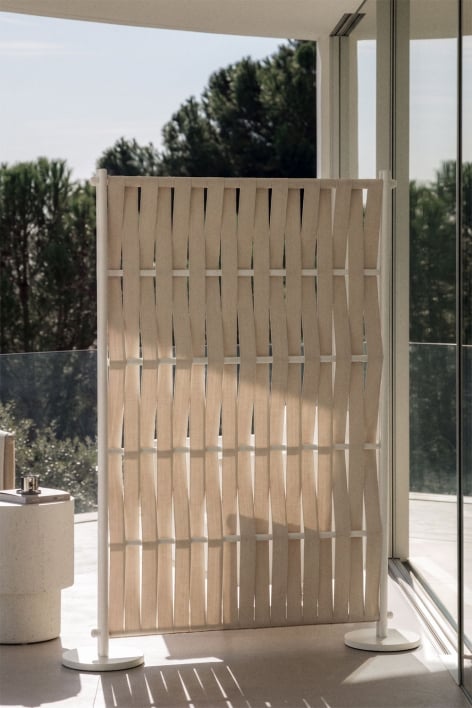
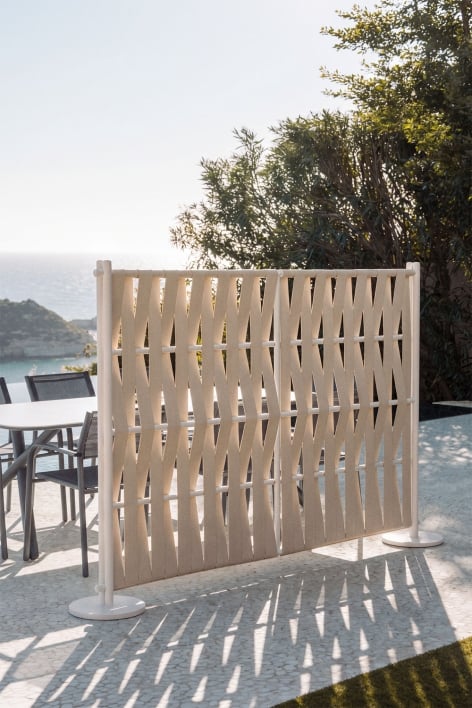
| Synthetic fiber screens | UV and moisture resistant braided fabric, lightweight and easy to move. | Pool areas or chill-out style environments. |
| Perforated metal panels | Corten steel or painted aluminum, decorative geometric patterns. | Modern terraces and light visual separation. |
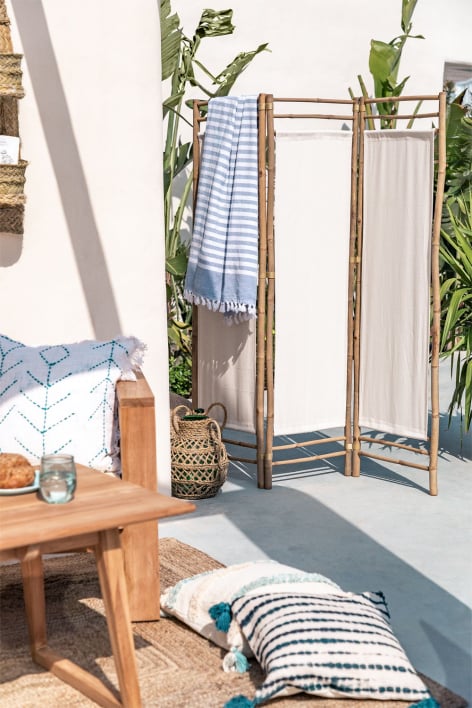
| Extendable textile dividers | Canvas stretched over a metal structure, high opacity. | Side sun protection and total privacy on balconies. |
Advantages of using movable screens
- Immediate privacy: They create instant visual barriers from neighbors or passersby without having to wait for hedges to grow.
- Climate protection: They act as moderate windbreaks, making the stay in areas exposed to drafts more pleasant.
- Spatial flexibility: Being lightweight and foldable, they allow you to transform an open space into several outdoor "rooms" in seconds.
- Decorative element: They function as a backdrop, providing color, texture or patterns that define the style of the exterior area.
Location and stability tips
Although folding screens are freestanding, wind resistance is crucial outdoors. It's recommended to position them at an angle (in a zigzag pattern) to increase their base of support and strength. If they're going to be placed in very exposed areas, it's advisable to anchor them to heavy planters or use models with wide crossbars. For small balconies, three-panel models are ideal as they allow you to adjust the degree of opening and fold away, taking up minimal space when not in use.
Frequently asked questions about patio screens
-
Can they be left out all year round?
Yes, if they are made of synthetic materials or treated metals. Those made of natural wood or textiles may require winter storage to prolong their lifespan.
-
Can they withstand strong winds?
On their own, they have limited resistance. On windy days, it's advisable to fold them up and lay them down or store them away to prevent them from tipping over and getting damaged.
-
How do you clean fiber screens?
They are very practical; generally, it is enough to spray them with a low-pressure hose or clean them with a sponge and soapy water.
-
Are they suitable for concealing air conditioning units?
They are perfect for this use, as they visually conceal the machinery while allowing the necessary airflow through their louvers or openings.
Privacy and style outdoors
A folding screen is more than just an accessory; it's a tool of ephemeral architecture that allows you to control and personalize your outdoor space. Its ability to create privacy and define micro-environments makes it an indispensable ally for those seeking to enjoy their terrace or garden with the same sense of refuge and comfort as inside their home.
You may also like