






Filters(0 Filters applied)
Metal coat racks
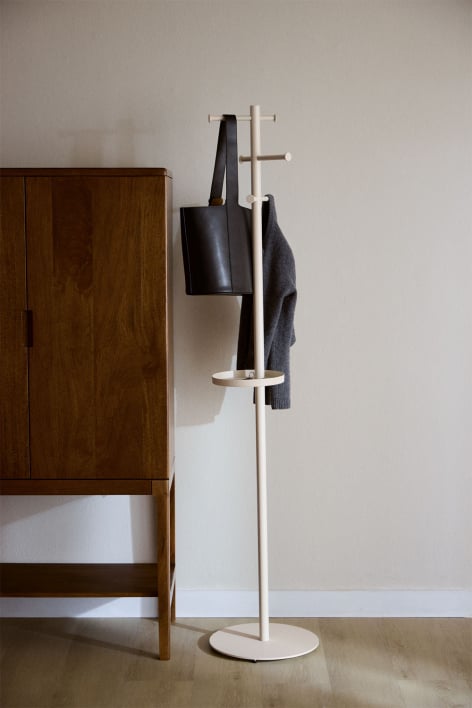
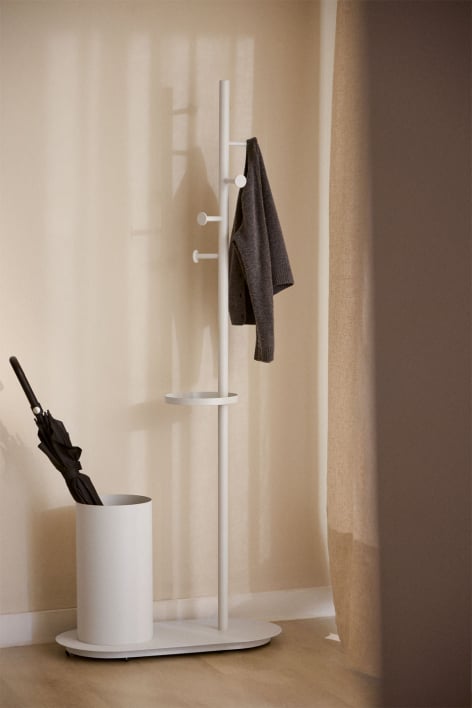
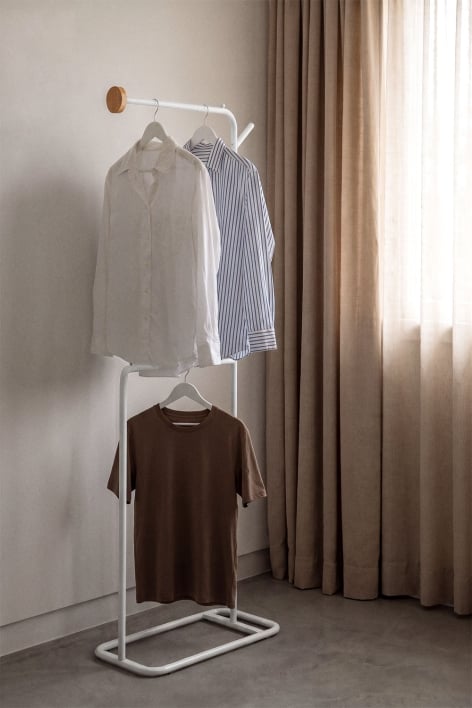
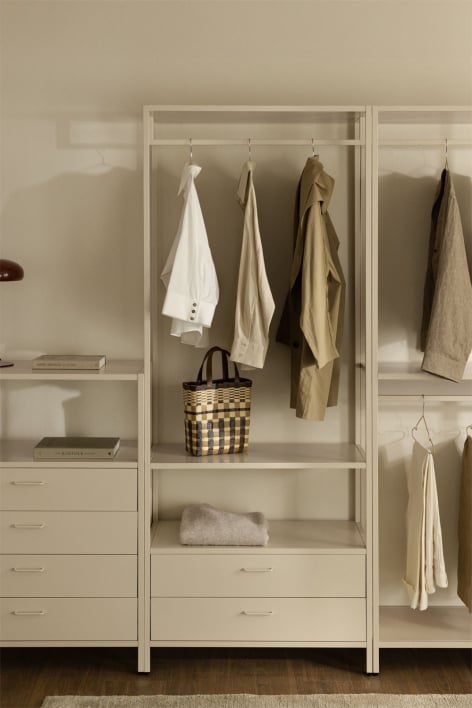
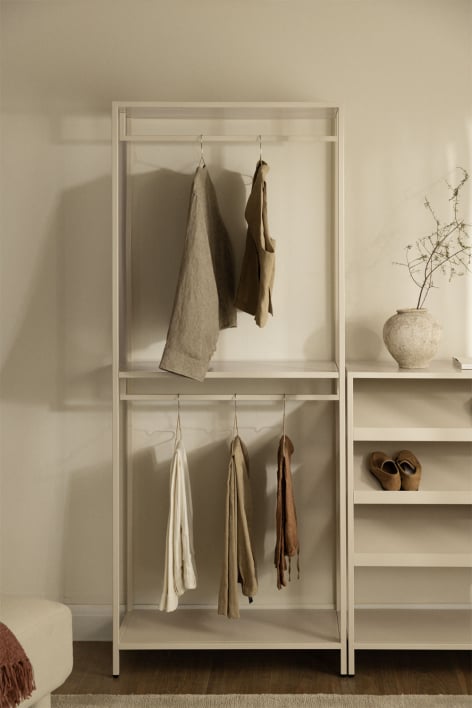
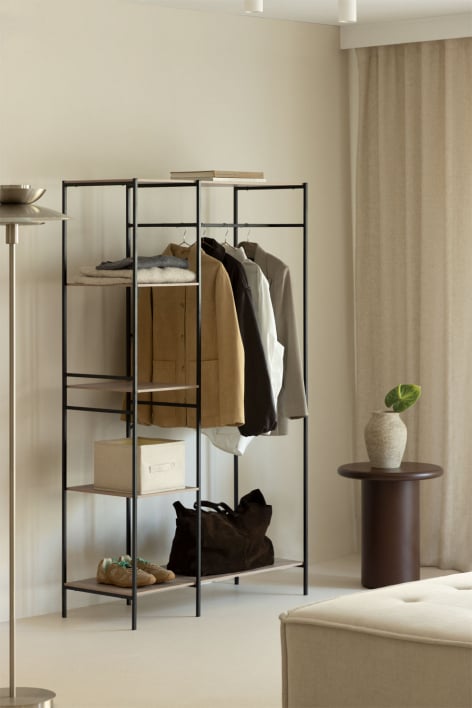
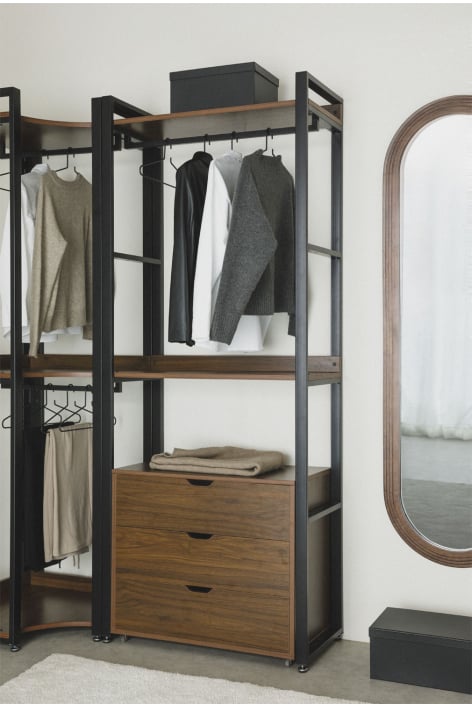
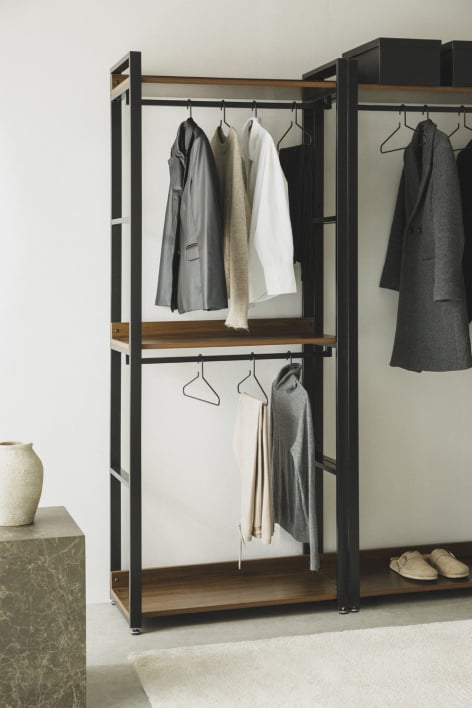
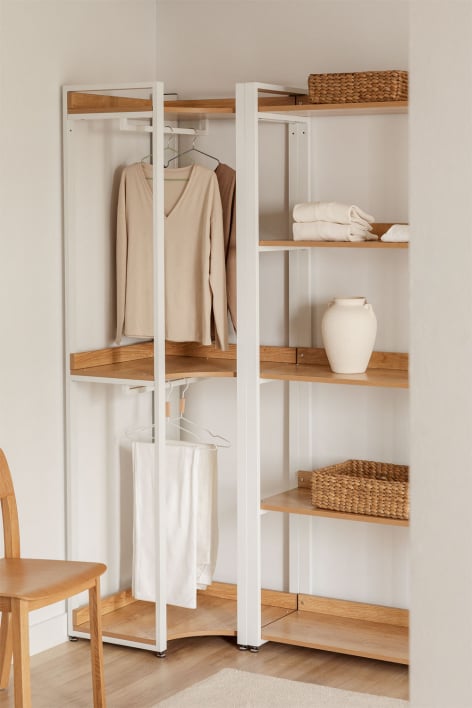
Incorporating metal coat racks into interior design solves the need for organization in transitional areas, transforming a purely logistical element into a sculptural piece. Made from high-strength materials such as iron, steel, or aluminum, these vertical supports hold the weight of outerwear without compromising their stability or visual lightness.
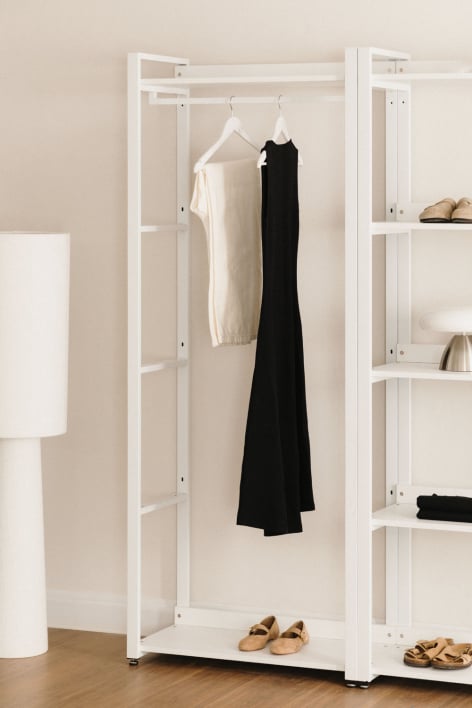
Choosing a metal coat rack allows you to optimize space in entryways, hallways, and bedrooms. By combining the industrial rigor of their powder-coated structures with dense bases of natural stone or minimalist wall designs, a perfect architectural balance is achieved. Metal coat racks act as visual landmarks that keep the environment uncluttered and bring undeniable contemporary sophistication to the home.
25 products in Metal coat racks
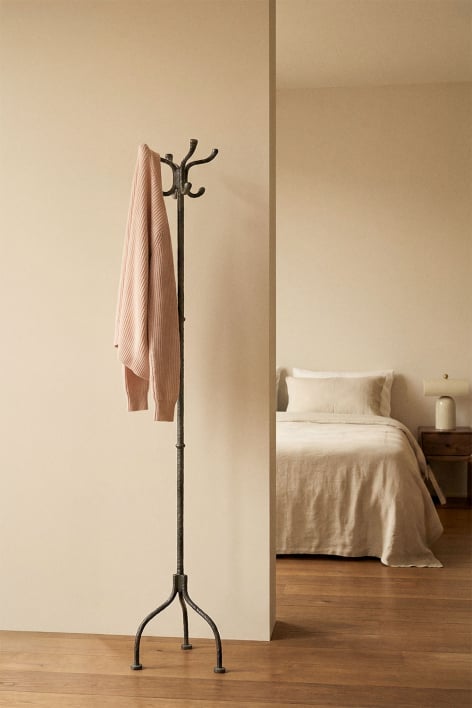
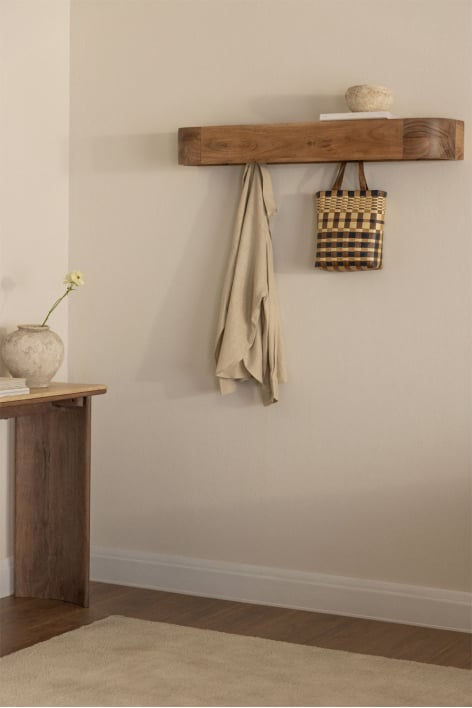
SIGNATURE
You have seen 25 products from 25
Metal coat racks: Functional sculptures and architecture of the vertical order
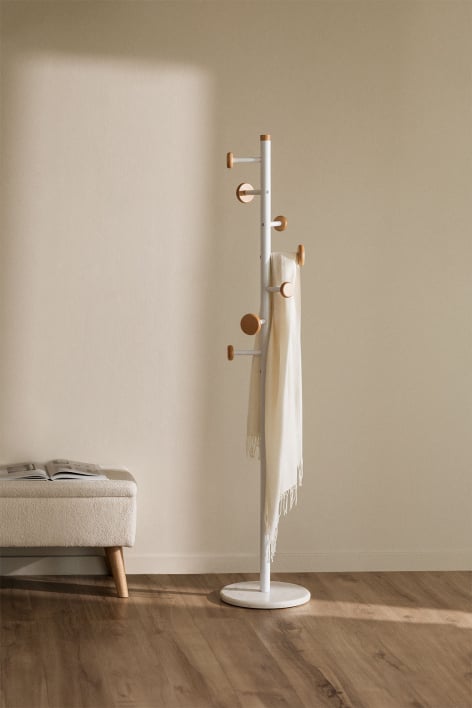
In planning entryways and bedrooms, managing outerwear presents a constant aesthetic challenge. Metal coat racks emerge as the ideal architectural solution to avoid the visual clutter created by large, closed wardrobes in small spaces. By using forged metals, tubular steel, or high-density aluminum, the design is streamlined into a geometric form within the space. This dematerialization of the volume, combined with the material's extreme mechanical strength, transforms a utilitarian object into a sculptural installation. Whether freestanding models that draw the eye or wall-mounted structures that free up floor space, these pieces dictate the first impression of the home, merging industrial precision with absolute order.
Types of metal coat racks
| Guy | Technical Specifications | Design and Investment Opportunity |
|---|---|---|
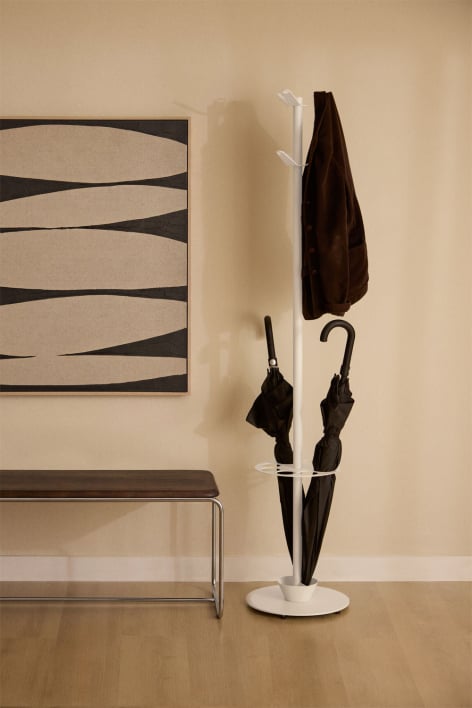
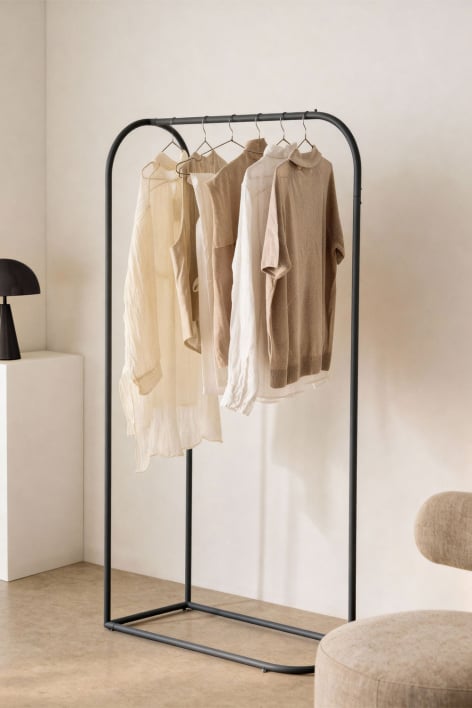
| Freestanding coat racks in pure steel | Freestanding vertical structures with ergonomically distributed arms and widened bases to ensure the center of gravity. | The classic option, updated for spacious hallways and offices; they bring verticality and a distinct contemporary or industrial style. |
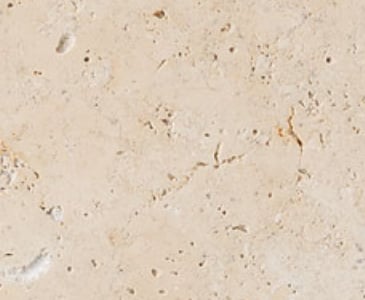
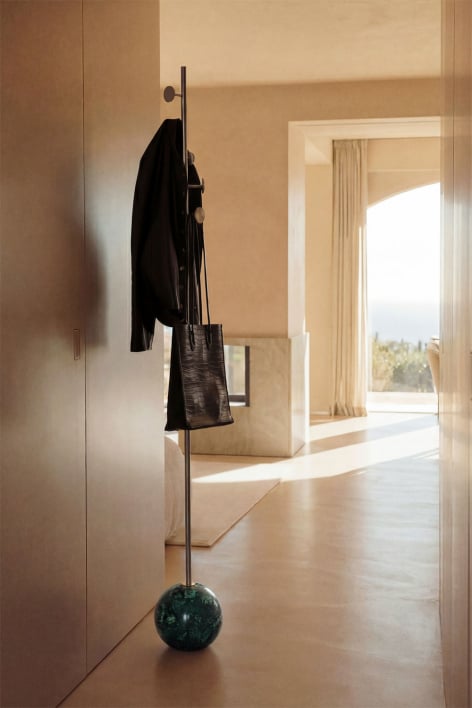
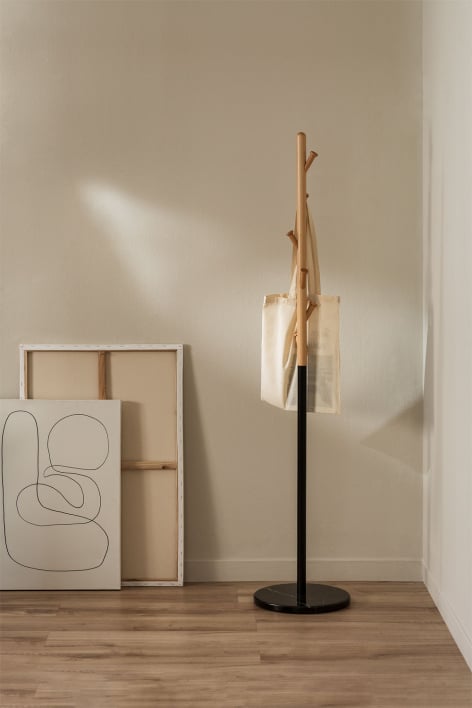
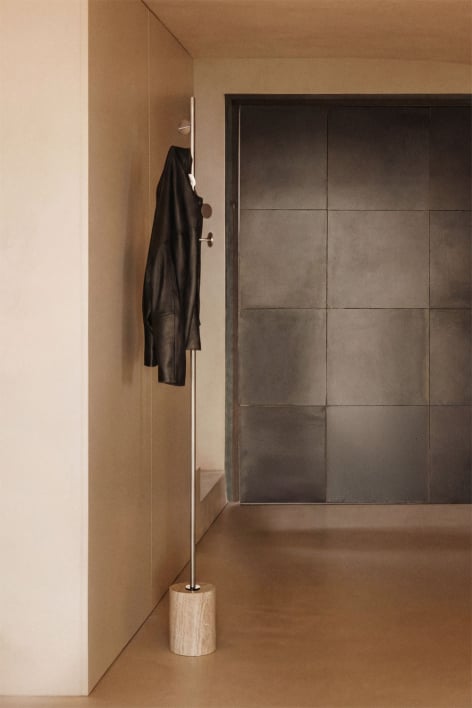
| Metal coat racks with stone base (Marble/Travertine) | Combination of an iron or lacquered steel mast resting on a dense block of natural stone for maximum anti-tip stability. | A key investment for sophisticated interiors and luxury projects; natural stone adds an organic visual weight that elevates the category of the piece. |
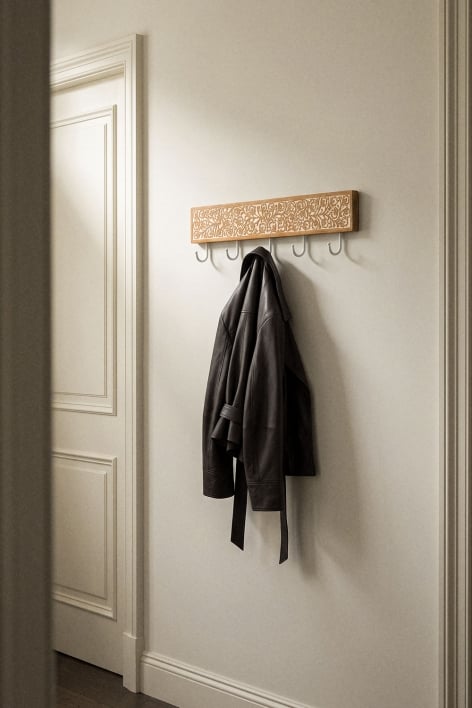
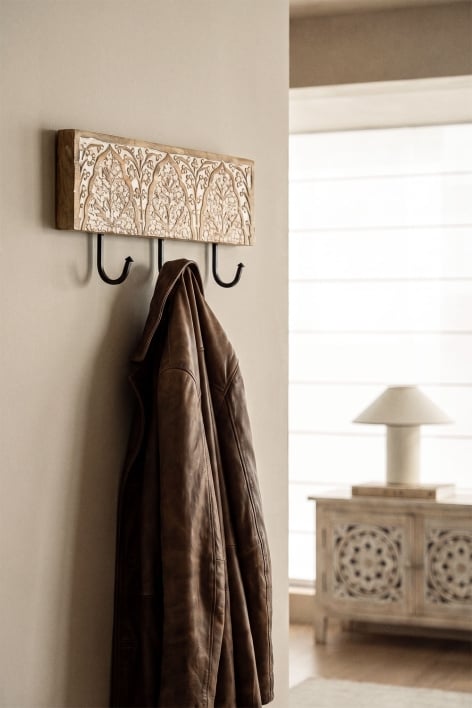
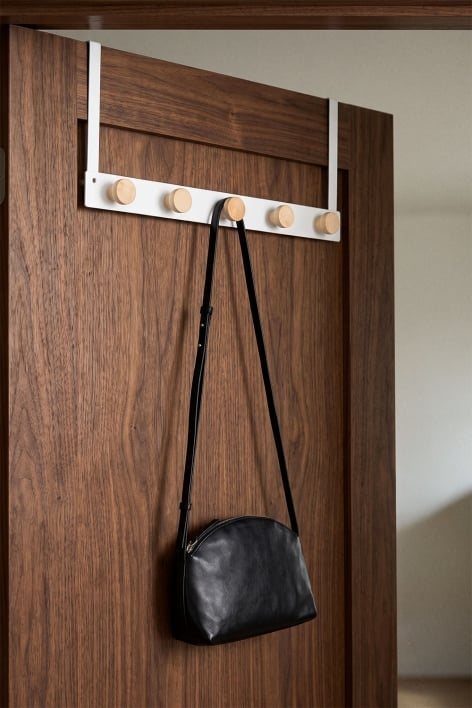
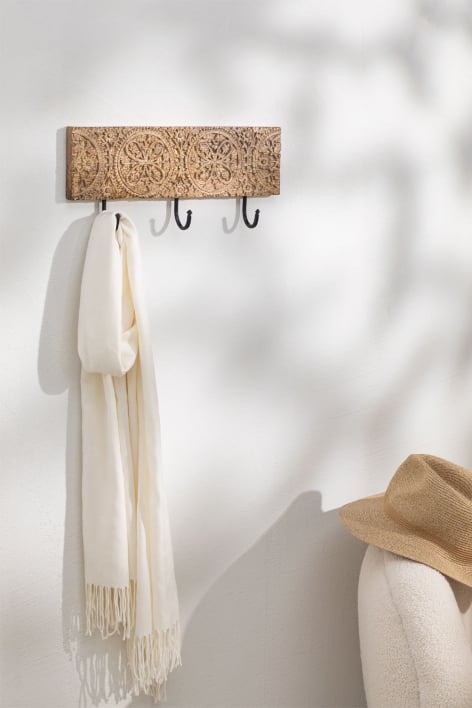
| Iron wall or door coat racks | Low-profile wall anchoring systems with welded hooks, designed to withstand shear loads without taking up square meters. | An essential architectural solution for narrow hallways or minimalist bathrooms, completely freeing up floor space for circulation. |
Advantages of steel and iron coat racks
- Extreme structural strength: Unlike wood that can warp or plastic that cracks, metal hooks and masts support heavy coats or bags without suffering material fatigue.
- Reduced spatial footprint: Its high resistance capacity allows the use of very thin metal profiles, resulting in furniture that does not block light or visually obstruct the rooms.
- Aseptic maintenance: Epoxy paint or thermo-enameled finishes (in graphite, white or tapioca tones) are completely smooth and non-porous, facilitating quick cleaning and preventing the accumulation of moisture.
- Versatility of placement: Due to its stylized nature, a metal freestanding coat rack can be effortlessly moved from the entrance to the guest bedroom or bathroom according to the needs of the home.
Tips for choosing and integrating metal coat racks
For a coat rack to function as a design element, visual discipline is essential. If you opt for a freestanding coat rack, the golden rule is not to overcrowd it; use it for the three or four items you wear daily and reserve the closed wardrobe for the rest, allowing the metal's architecture to be visible. From a compositional standpoint, place the coat rack next to a full-length mirror with a thin metal frame to create a harmonious transitional corner that will amplify the light in the entryway. If your space requires wall-mounted models, place them at an ergonomic height (around 1.60 to 1.70 m) and align their colors with the wall (for example, white coat racks against light walls) if you want them to blend in, or in graphite gray if you wish to create a geometric and graphic accent.
Frequently asked questions about metal coat racks
-
Are freestanding coat racks stable under the weight of long coats?
Absolutely. Contemporary designs solve the physics of rollover by incorporating ballasted bases, whether with thick steel plates, cast iron discs, or solid blocks of marble or travertine that lower the center of gravity.
-
How can I prevent lacquered metal from scratching the wall if it's a door model?
Metal coat racks designed to hang over door profiles usually incorporate rubber pads or felt protectors integrated into the back, preventing any direct friction between the steel and the door's lacquer.
-
Can iron or steel rust in damp coats?
Modern designer furniture undergoes oven-lacquering or thermo-enameling processes that seal the metal's pores, creating a waterproof layer that effectively prevents oxidation, even with occasional contact with damp clothing.
Design, quality and experience
Creating an entryway that offers a serene and organized welcome is the first step toward establishing visual peace in the home. Integrating logistical order with vertical metal supports is a decision that combines spatial intelligence with an appreciation for clean lines. These slender, sturdy structures stand like everyday sculptures, demonstrating that the most demanding functionality can be achieved with impeccable elegance.
Discover how to optimize transition zones and bring a cosmopolitan character to your environment by exploring Sklum's collections, where industrial design is refined to elevate the architecture of your everyday spaces.