


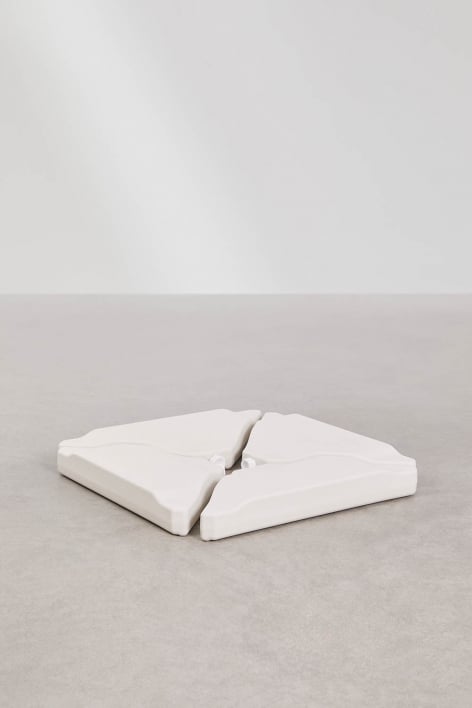
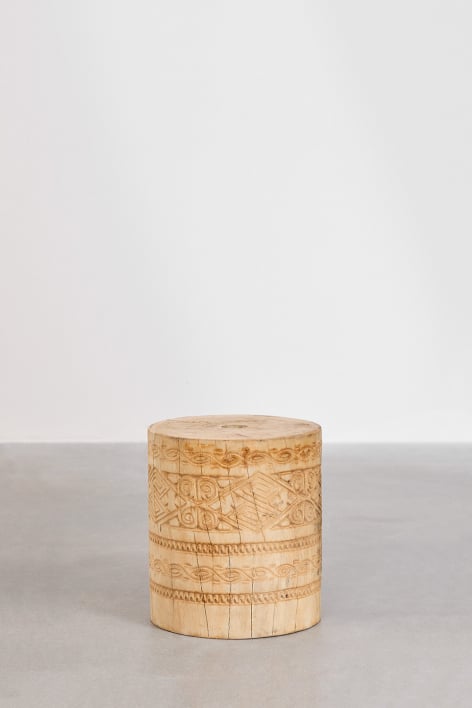
Filters(0 Filters applied)
Parasol bases
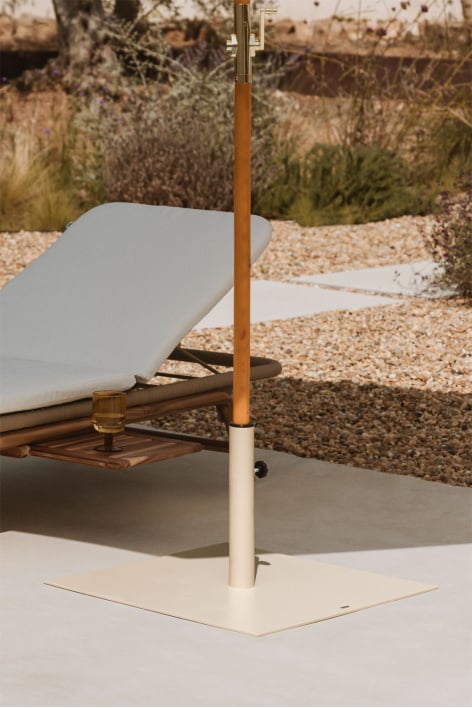
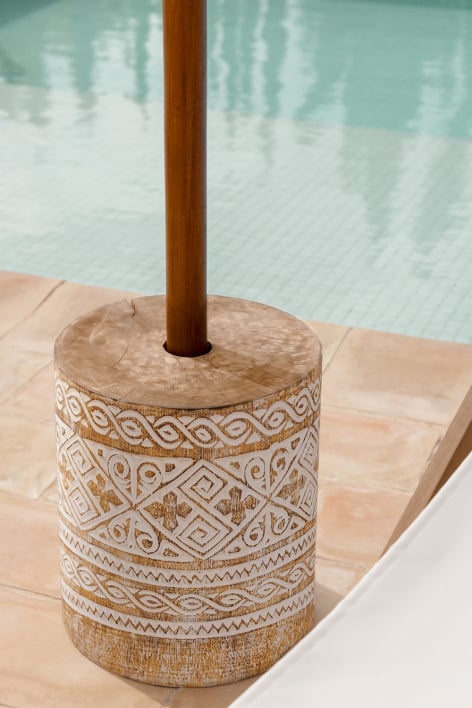
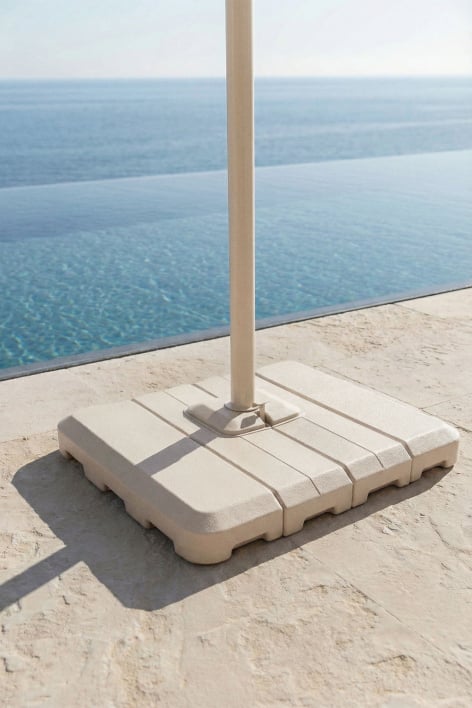
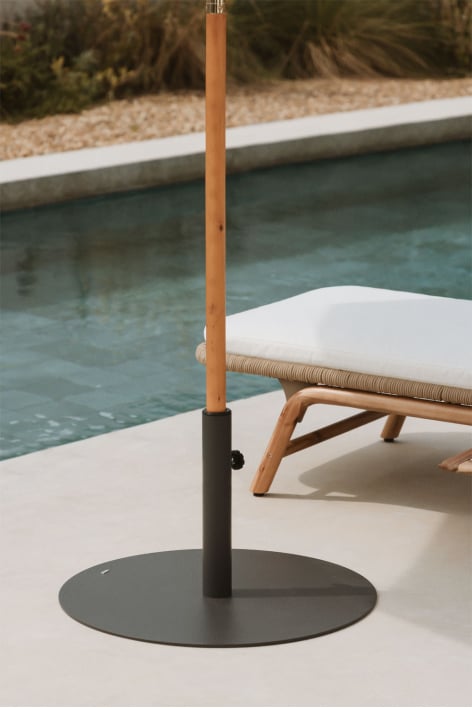
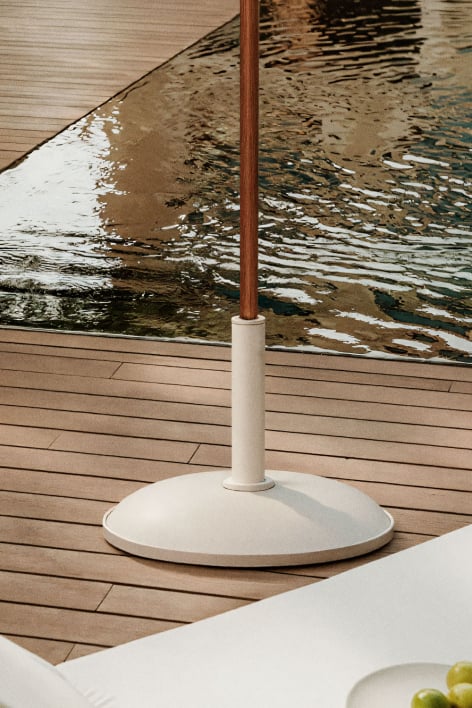
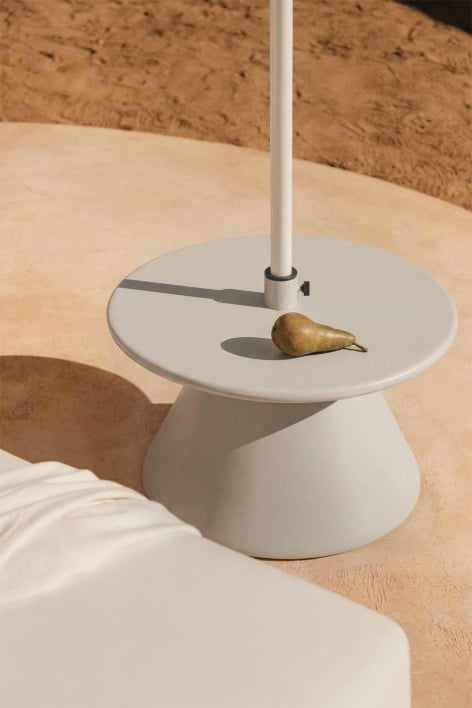
Parasol bases are the essential technical element for ensuring structural stability and safety in any outdoor shaded area. Beyond their counterweight function, they become a key component for enjoying patios and gardens with peace of mind, preventing accidental tipping in gusts of wind. Available in high-density materials such as cement, steel, or fillable polymers, our bases adapt to different mast diameters and decorative styles. Choosing the right base ensures that the parasol effectively and safely fulfills its function of providing sun protection in every corner of your home.
22 products in Parasol bases
Flash Sales
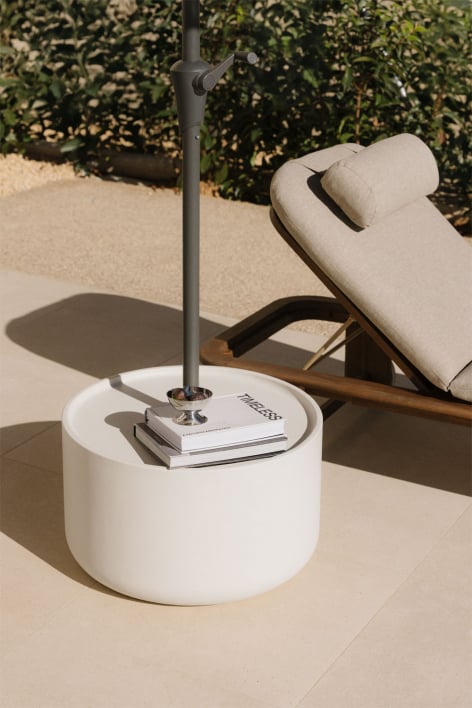
Flash Sales
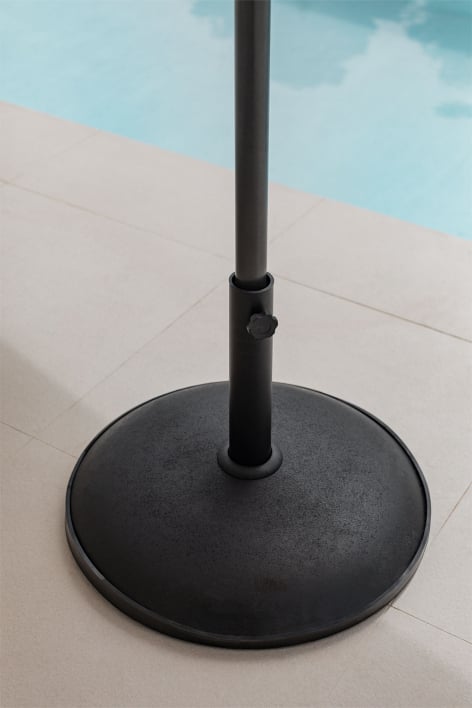
Flash Sales
Limited Time Deal
Flash Sales
You have seen 22 products from 22
Umbrella base: The firm foundation for secure shade
A parasol base is the essential anchor point that ensures the safety of any outdoor sun protection system. Its design adheres to clear physical principles: it must offer sufficient mass and a low center of gravity to counteract the sail effect that the wind exerts on the parasol fabric. Choosing the right base is not just a matter of aesthetics, but also of operational safety. Materials such as concrete, granite, or galvanized steel are essential for weather resistance and providing the necessary ballast, allowing you to enjoy the shade without worry in gardens, patios, and balconies.
Technical typology according to material and ballast
| Guy | Technical Specifications | Ideal Application |
|---|---|---|
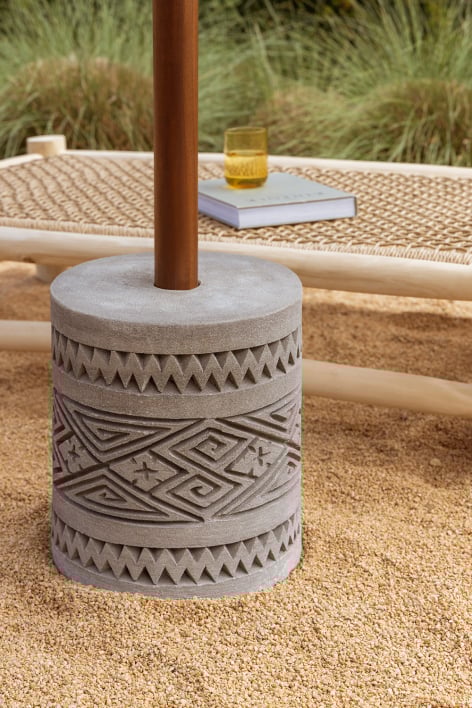
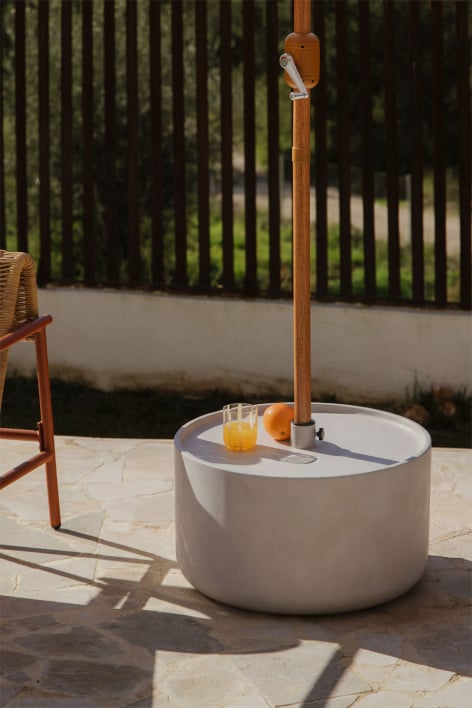
| Cement / Concrete | High mass density, extreme weather resistance, industrial finish. | Large parasols in windy or heavily used areas. |
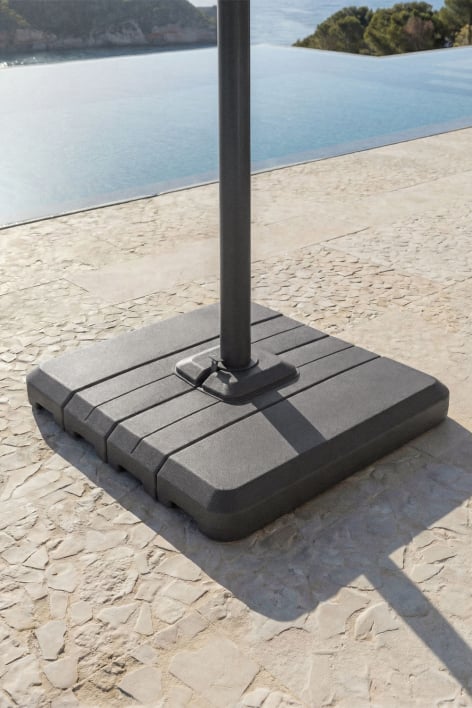
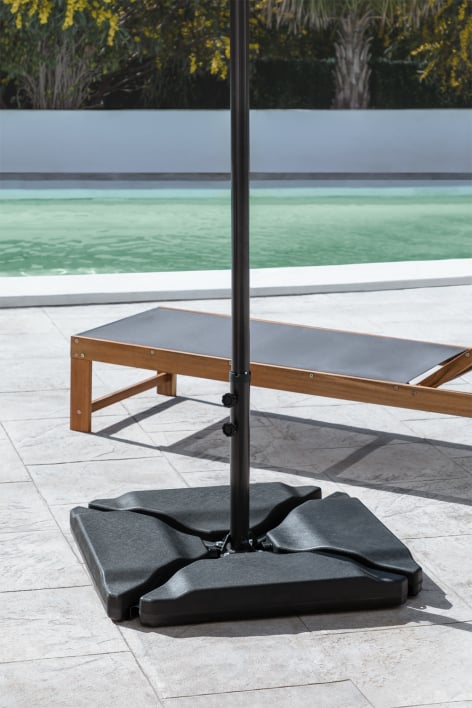
| Refillable Resin | Lightweight polypropylene casing that is filled with water or sand on site. | Seasonal terraces or users who need to store the base in winter. |
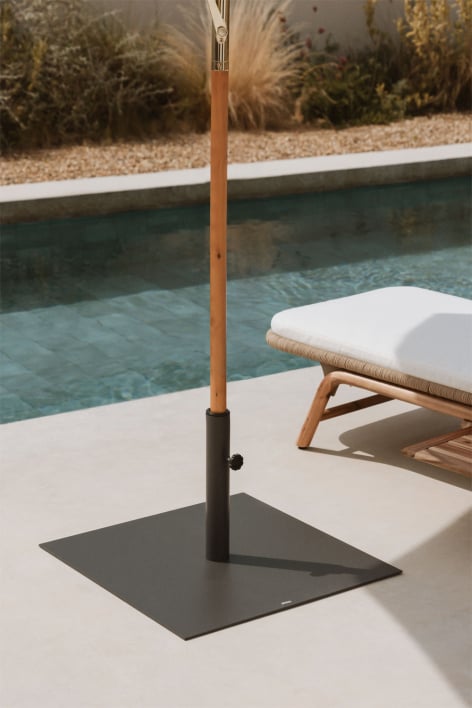
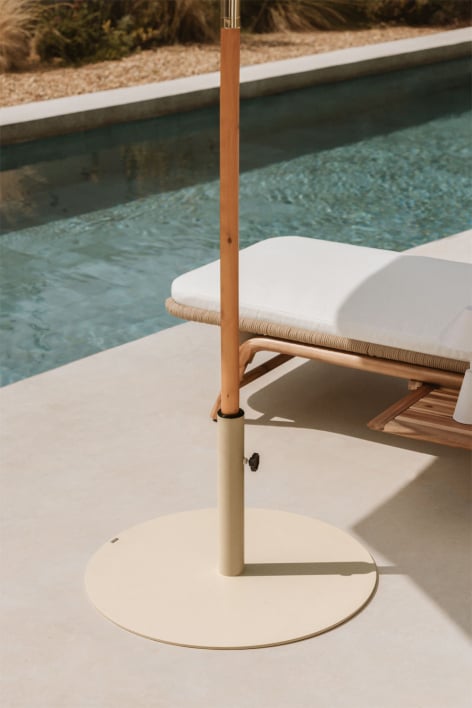
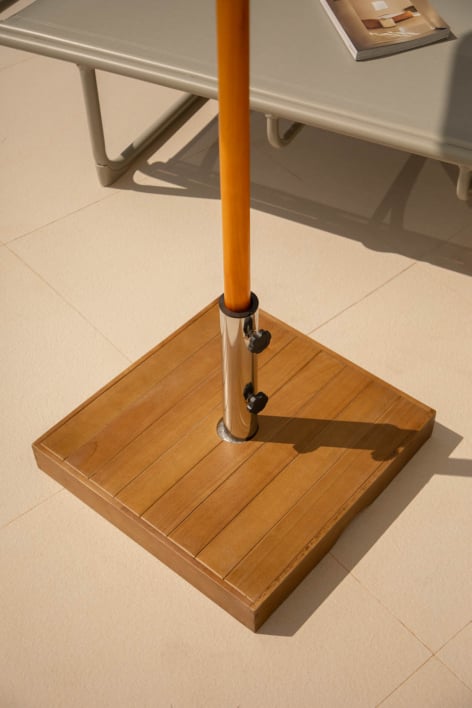
| Flat Steel | Low profile design to avoid tripping, great stability on any surface. | Under outdoor dining tables with a central hole, maximizing foot space. |
| With Wheels | Integrated displacement system with safety brakes. | Multipurpose spaces where the shadow must follow the path of the sun throughout the day. |
Advantages of a specialized umbrella base
- Passive safety: The appropriate weight prevents tipping accidents, protecting both users and the parasol structure.
- Climate resistance: Materials formulated to not degrade under constant UV radiation or oxidize with ambient humidity.
- Universal compatibility: Most include adapter systems (reducing rings) to fit masts of different thicknesses.
- Structural stability: They allow the parasol to remain perfectly vertical, optimizing the shadow projection.
Criteria for weight selection
The golden rule when choosing a base is the ratio between the parasol's diameter and the base's weight. For standard parasols up to 2 meters, a minimum of 20-25 kg is required. For 3-meter models or eccentric structures (side-arm parasols), the necessary ballast increases to 40 kg or more to ensure balance. It is essential to measure the diameter of the parasol's pole to ensure it fits into the base's opening and always use the side fixing screws to prevent it from rotating in the breeze.
Frequently asked questions about umbrella bases
-
Is it better to fill it with water or with sand?
Sand is denser than water, so it provides greater weight and stability in the same volume. Water is more practical for emptying and transporting.
-
Do metal feet rust?
Quality models are treated with epoxy paints or galvanized to resist corrosion, although it is recommended to check if the paint is chipping.
-
Can I use a lightweight stand if I have a table?
The table helps to stabilize the mast, but the base is still necessary to prevent the umbrella from being lifted ("umbrella effect") by the wind.
-
How to move a heavy granite base?
For very heavy bases without wheels, it is recommended to pivot carefully on the edge or use a hand truck to avoid back injuries.
Fundamentals of outdoor comfort
In outdoor design, safety is the foundation of true comfort. A suitable umbrella base is the invisible component that allows you to enjoy the outdoors worry-free. Our technical selection aims to offer solutions that, in addition to rigorously fulfilling their anchoring function, blend aesthetically into the surroundings, demonstrating that robust functionality and good design are not mutually exclusive.